
Suicide by self-immolation
Suicide by self-immolation has swept the Kurdish-governed region of Iraq in recent years, destroying thousands of womens lives. The terrifying trend is being driven by a sense of powerlessness and domestic abuse.
It is estimated that self-immolation has claimed the lives of more than 11,000 women since the Kurdistan region gained autonomy in 1991, although reliable data is scarce as many victims never reach hospital.
Caught in arranged marriages from a young age, often in remote mountain villages, the women have little education and are vulnerable to copycat acts of martyrdom.
Most suicides are impulsive rather than planned acts, say experts, and the availability of kerosene here means self-immolation has become common.
Some women see it as their only means to exert power in unequal relationships.
“Often women come in with flame burns from head to toe, scraps of their clothes stuck to their bodies, and their families say it’s from a cooking accident, because of the shame,” says chief nurse Nigar Marf, 52, who has worked for more than 20 years at the Burn and Reconstructive Surgery Hospital in the city of Sulaymaniyah, in Northern Iraq.
The giveaway, according to Ms Marf, is the smell of kerosene when victims arrive. Typically, women douse their clothes in the fuel which is used for heating and cooking, and then set themselves alight.
Visit Suicide by Self Immolation to view the published story.
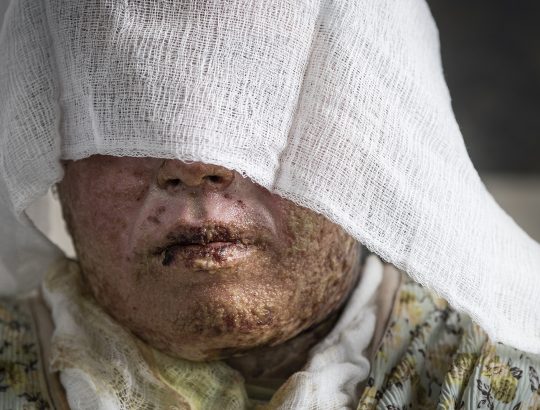

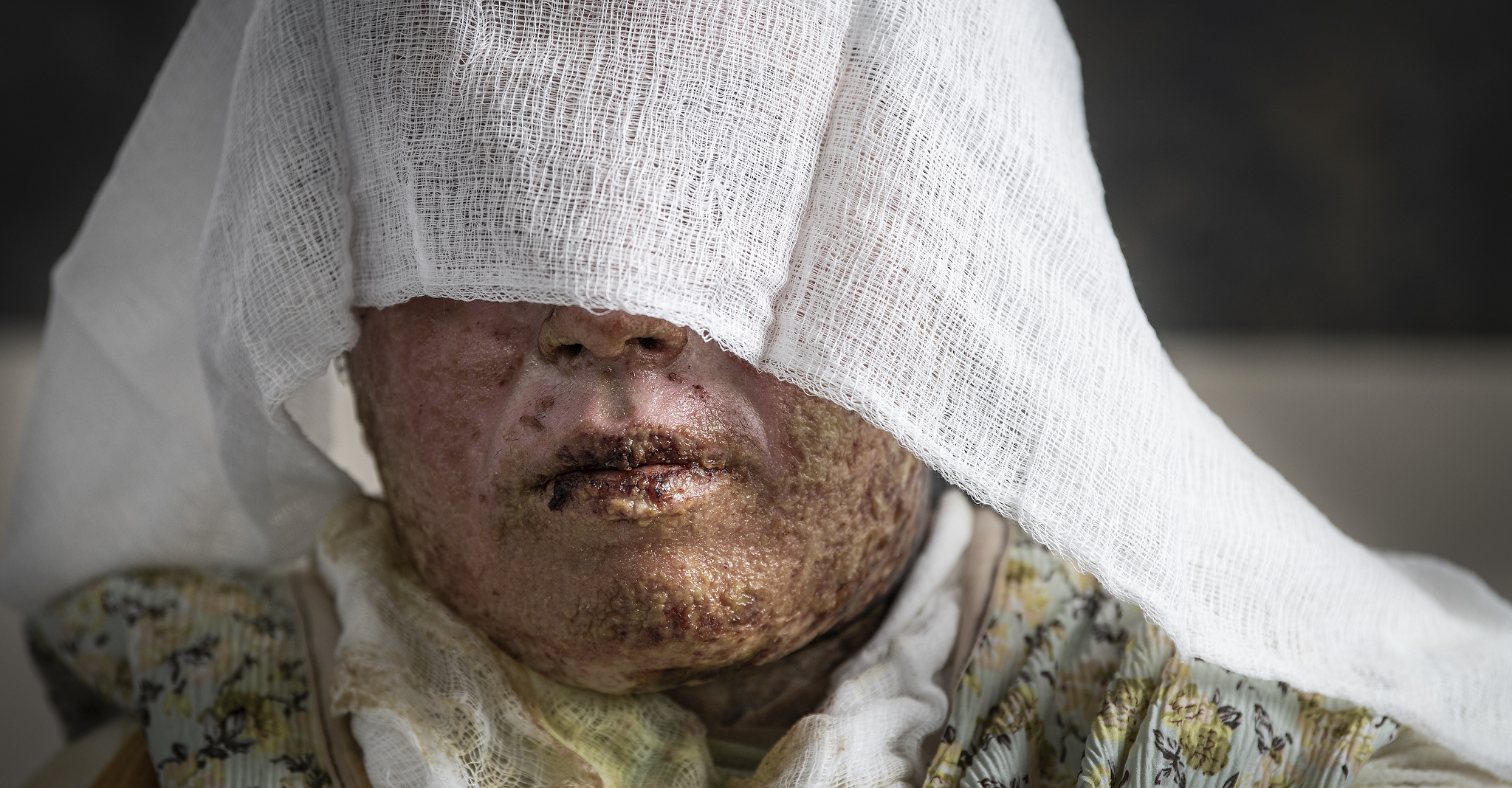
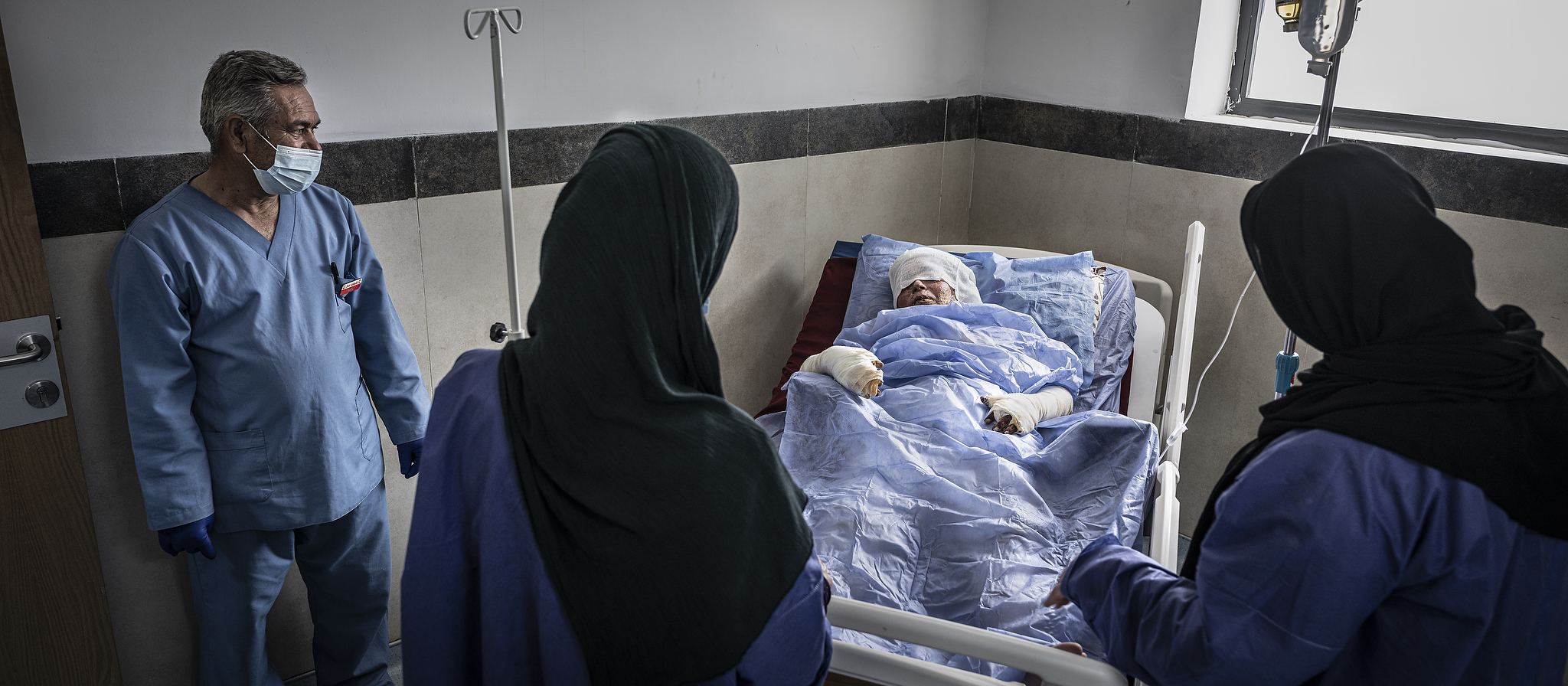
Srwa Jumaa Kareem, 30, suffered 53% burns which she say occurred as a result of a gas explosion. Hospital staff explained that she was in fact a victim of kerosene burns most likely as a result of self immolation or domestic assault. Many families misreport because of the associated stigma.


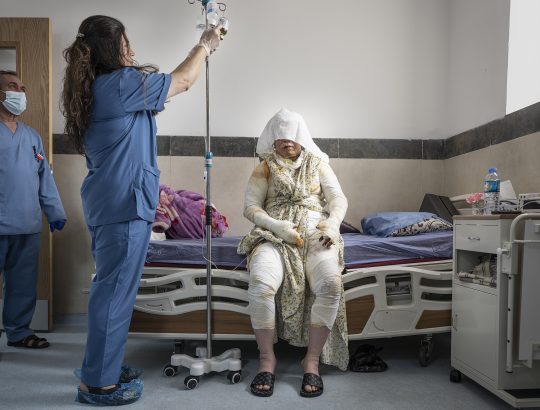
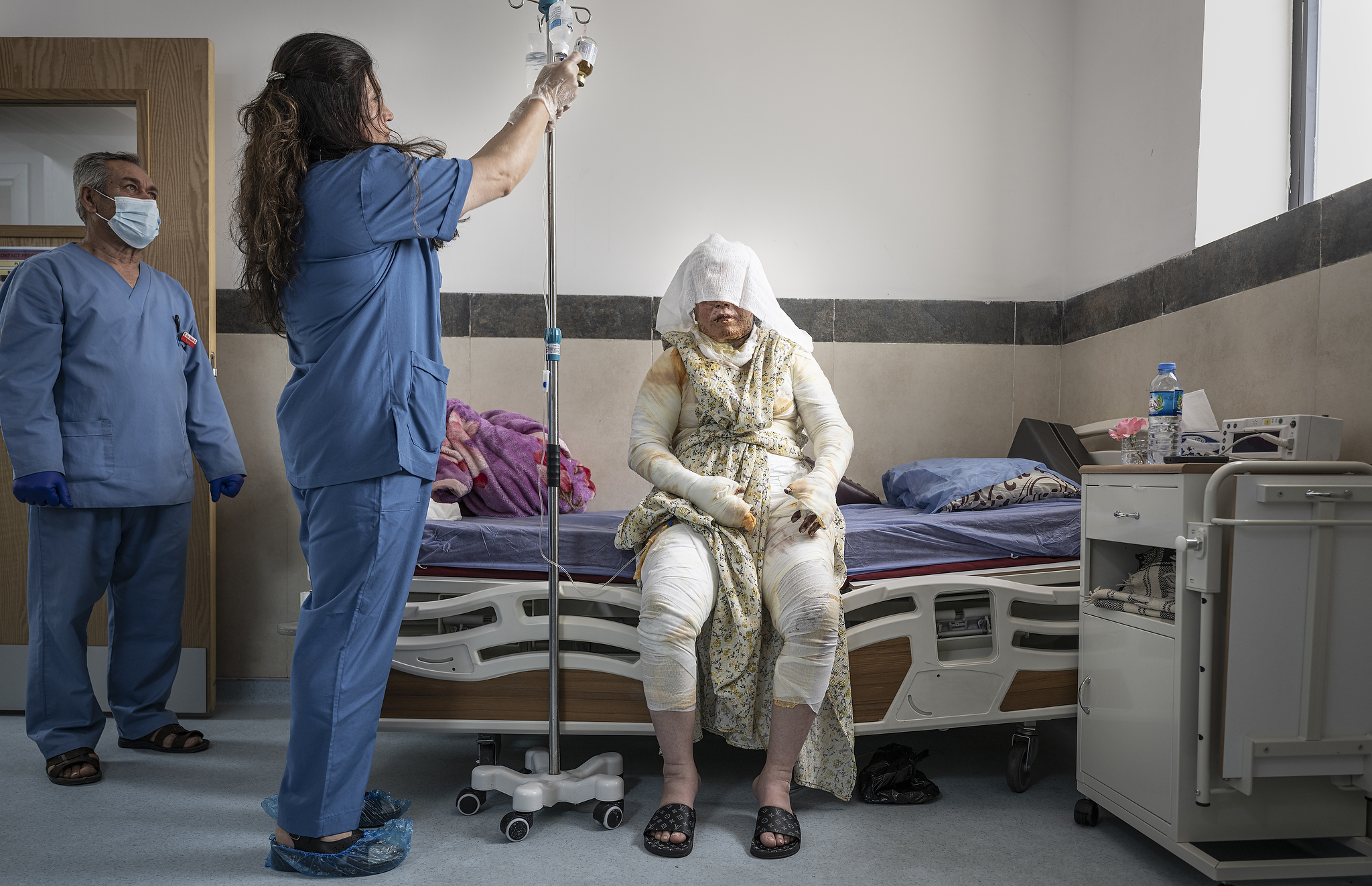
Srwa Jumaa Kareem, 30, who suffered 53% burns receiving treatment from head nurse Nigar Marf who has worked on the unit for 27 years
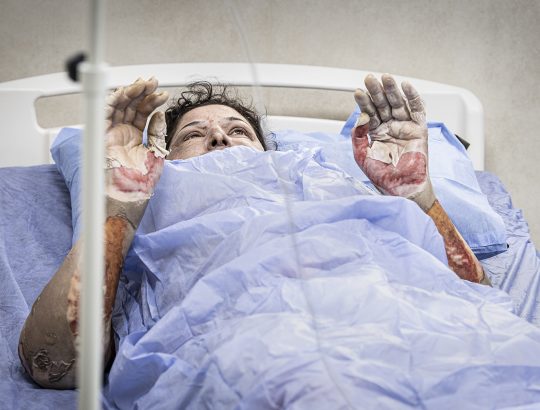
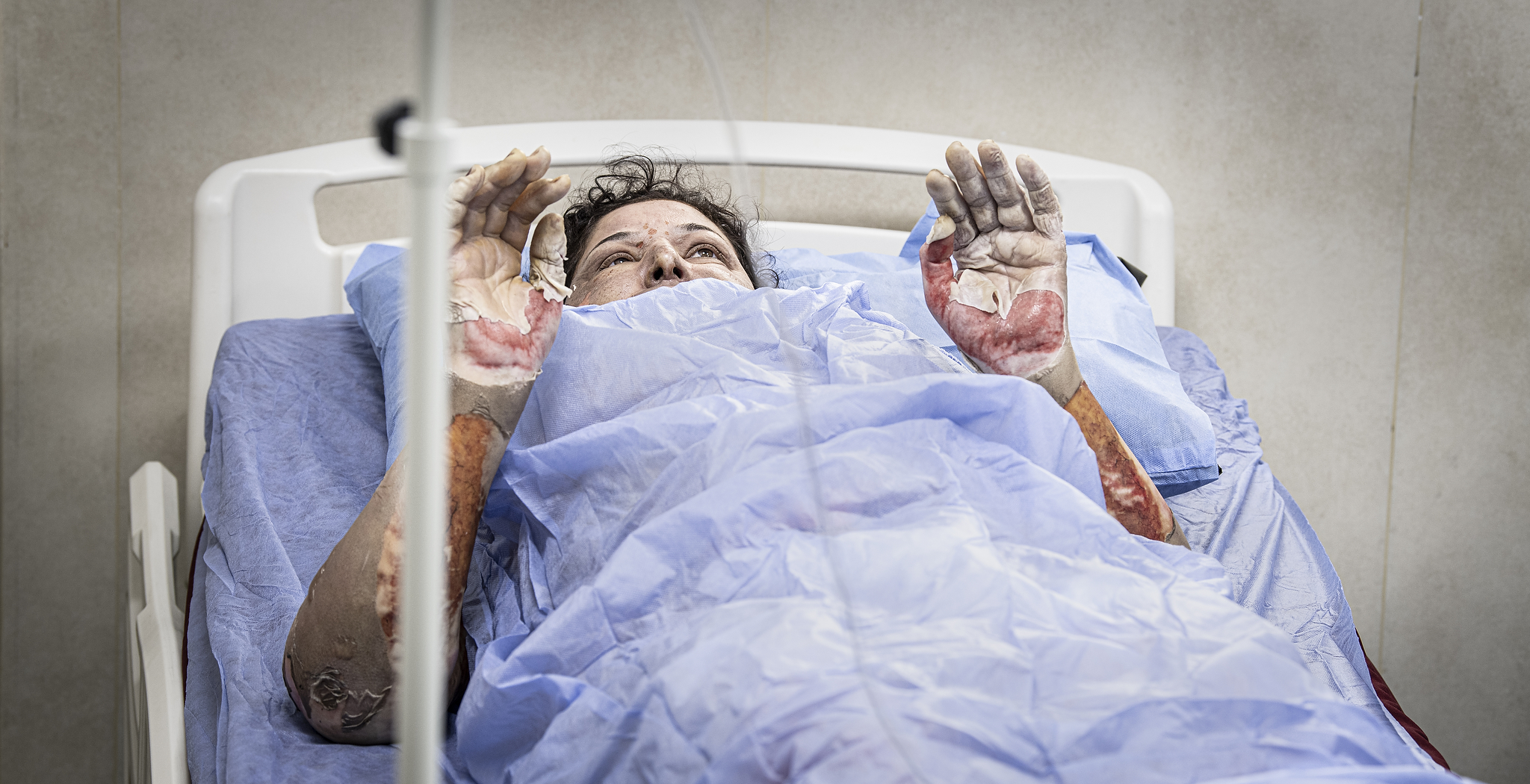
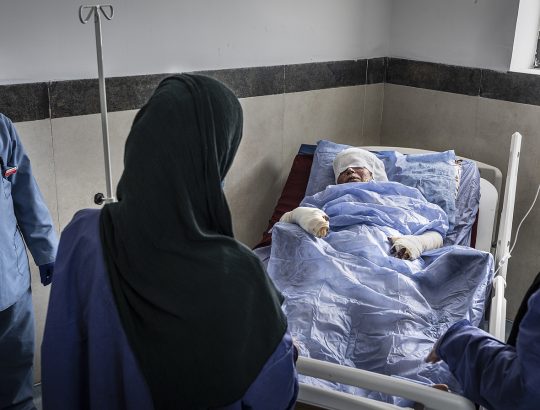
Mother of two Shilan Jilal, 42, suffered 85% burns which her family claimed were as a result of an accident with a bread oven. Medical staff pointed out that her clothes were soaked in kerosene and the burn pattern clearly showed a deliberate act. Shilan died in agony at 9.15pm on May 2nd.
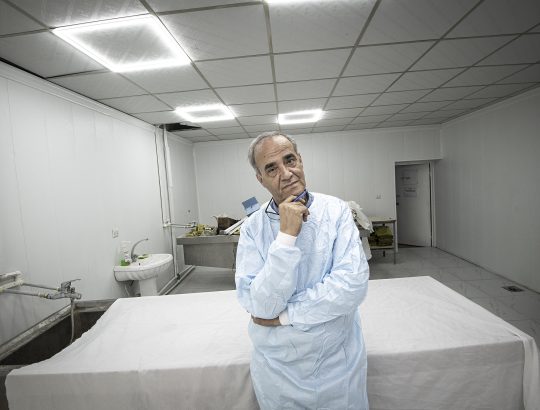
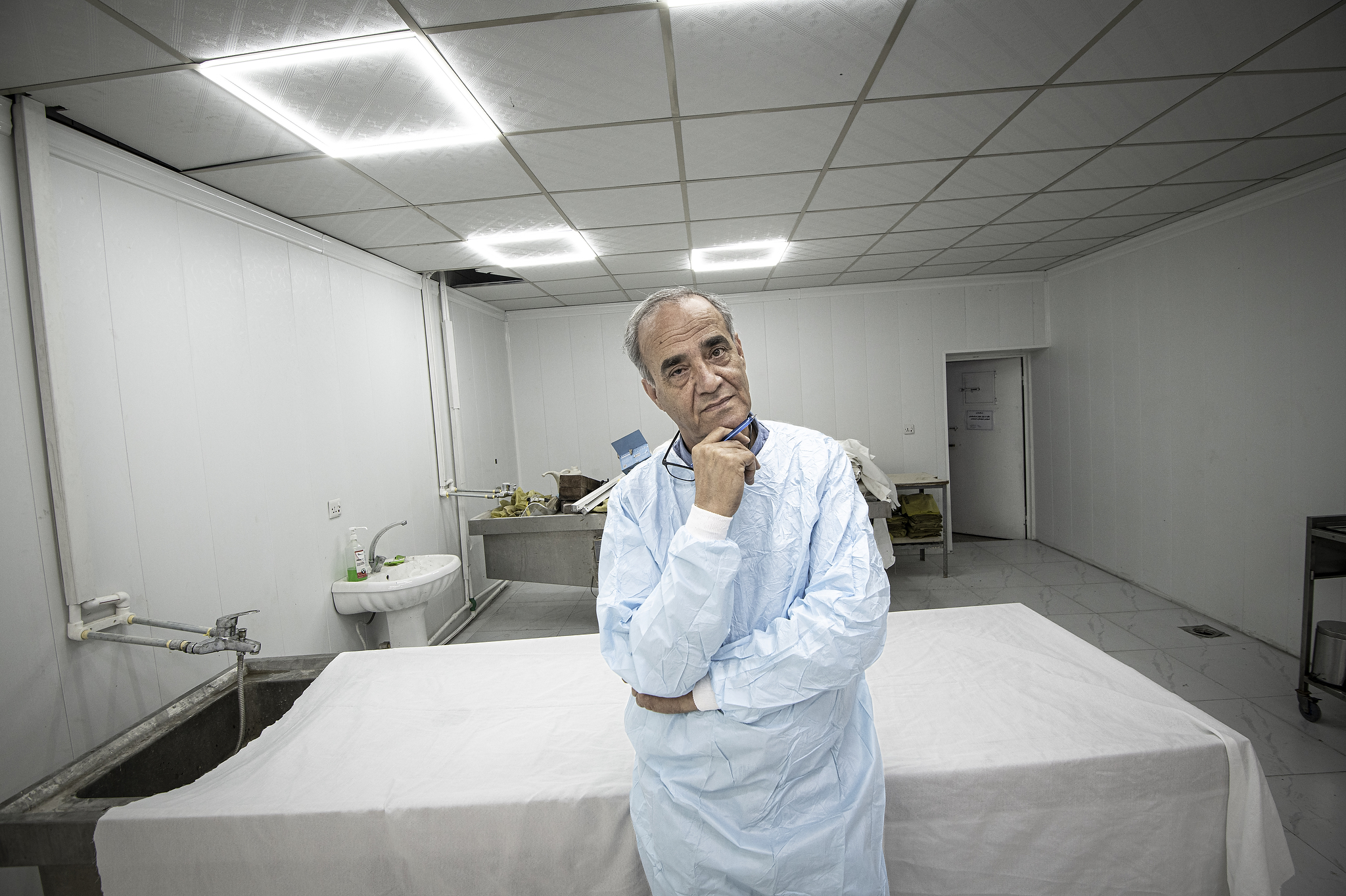
Forensic Pathologist and Director of the Medico Legal Institute Barzan Ali Farage.
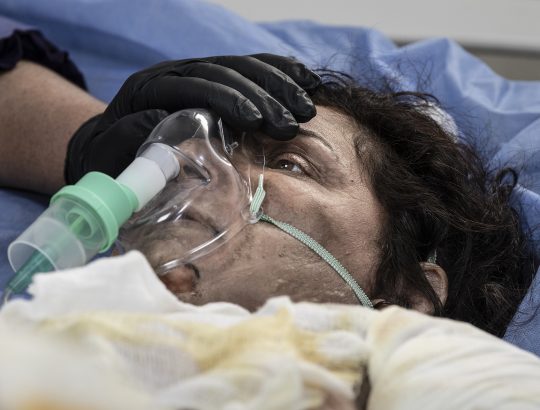
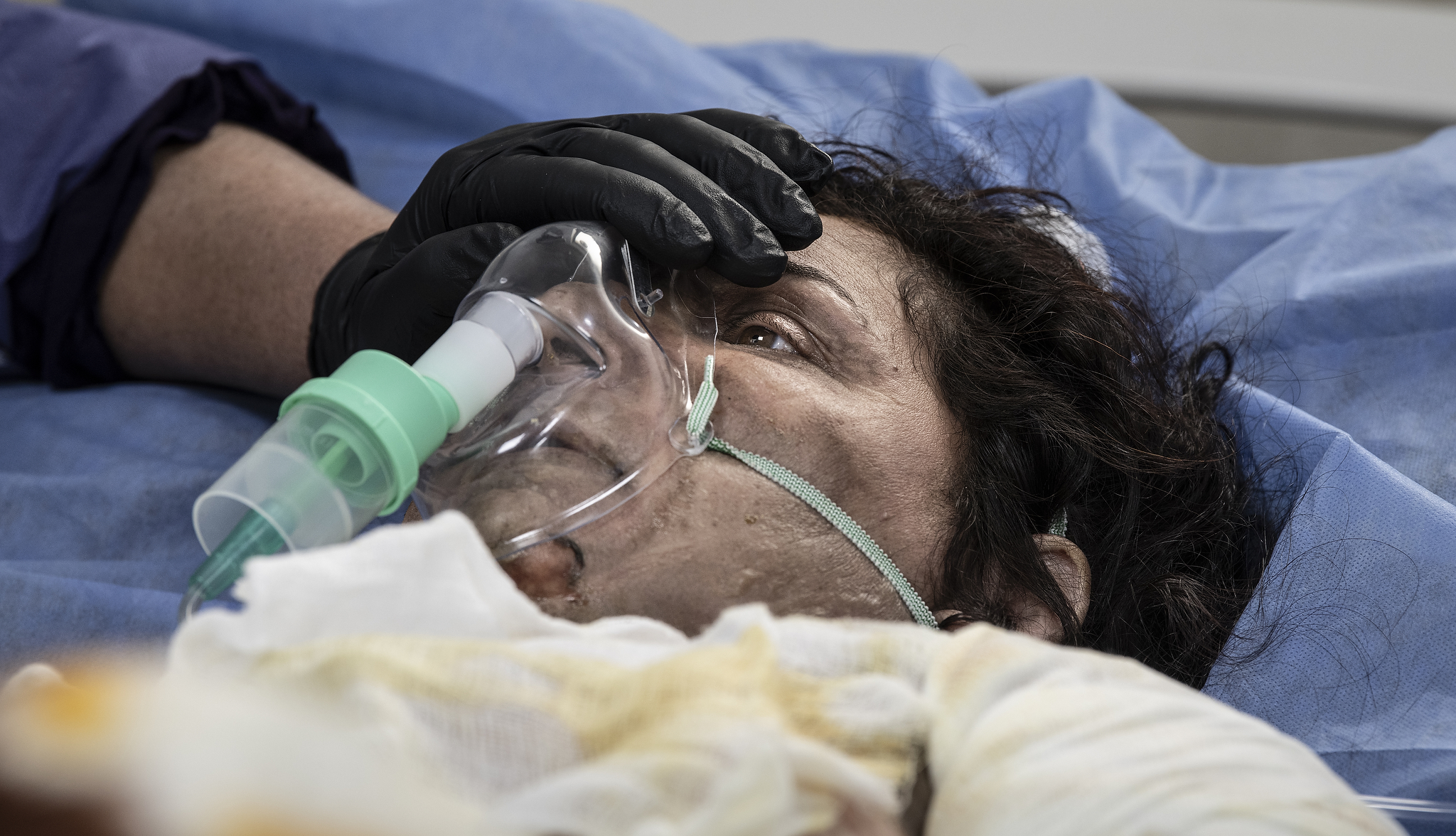
Mother of two Shilan Jilal, 42, suffered 85% burns which her family claimed were as a result of an accident with a bread oven. Medical staff pointed out that her clothes were soaked in kerosene and the burn pattern clearly showed a deliberate act. Shilan died in agony at 9.15pm on May 2nd, no vein could be found to successfully deliver painkillers.
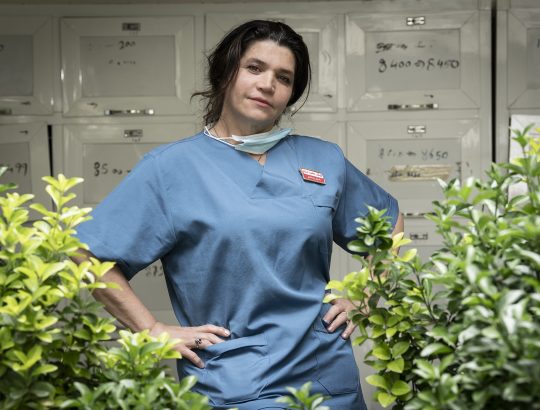

Head Nurse Nigar Marf, who has been working with self-immolation patients since 1997.
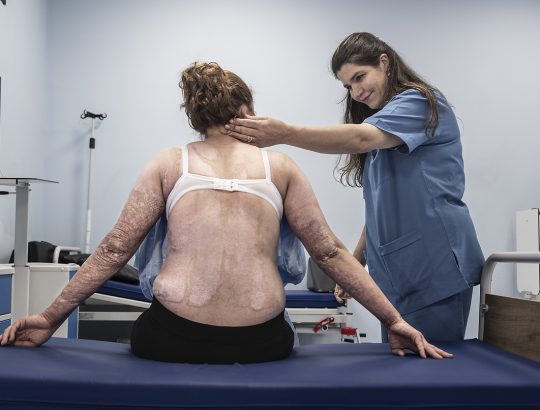
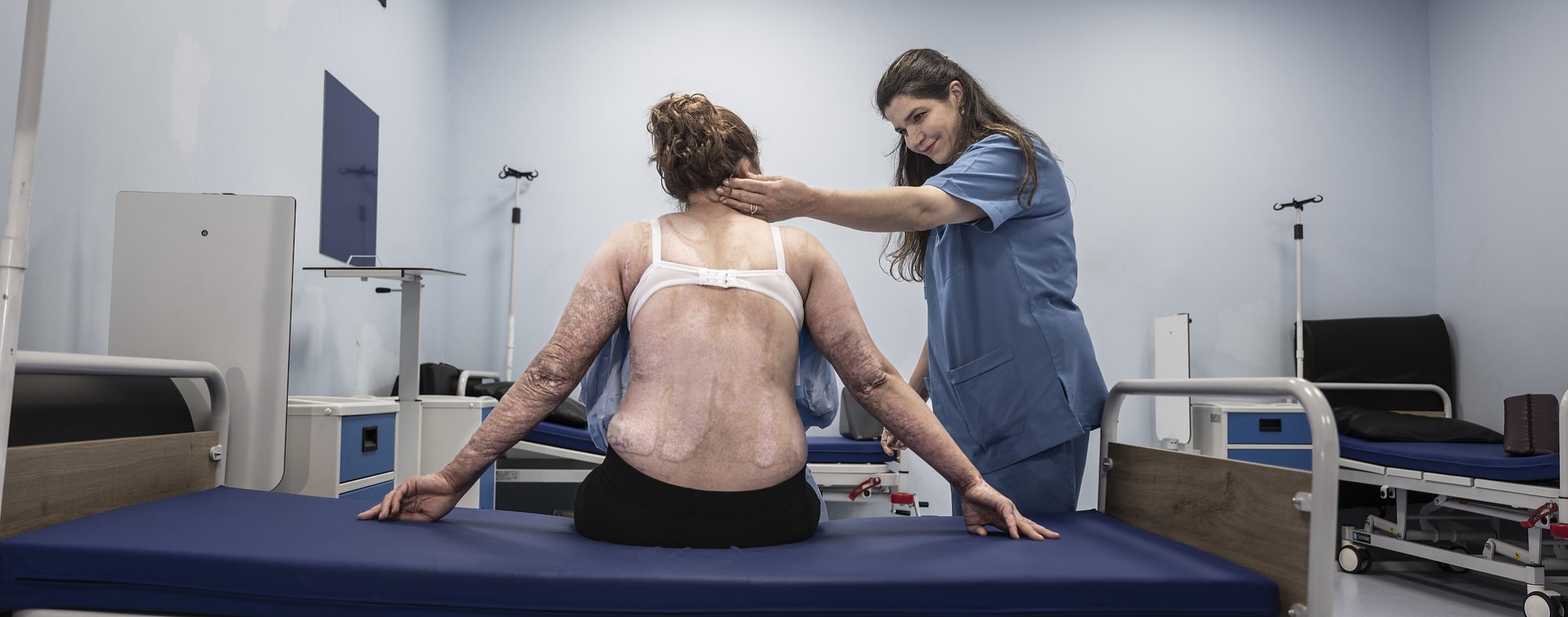
Banaz Farwq, 24, attends a follow-up appointment as an outpatient with Head Nurse Nigar Marf. She received 78% burns when, after an argument about cooking fish, her mother-in-law threw kerosene over her which her husband then lit.
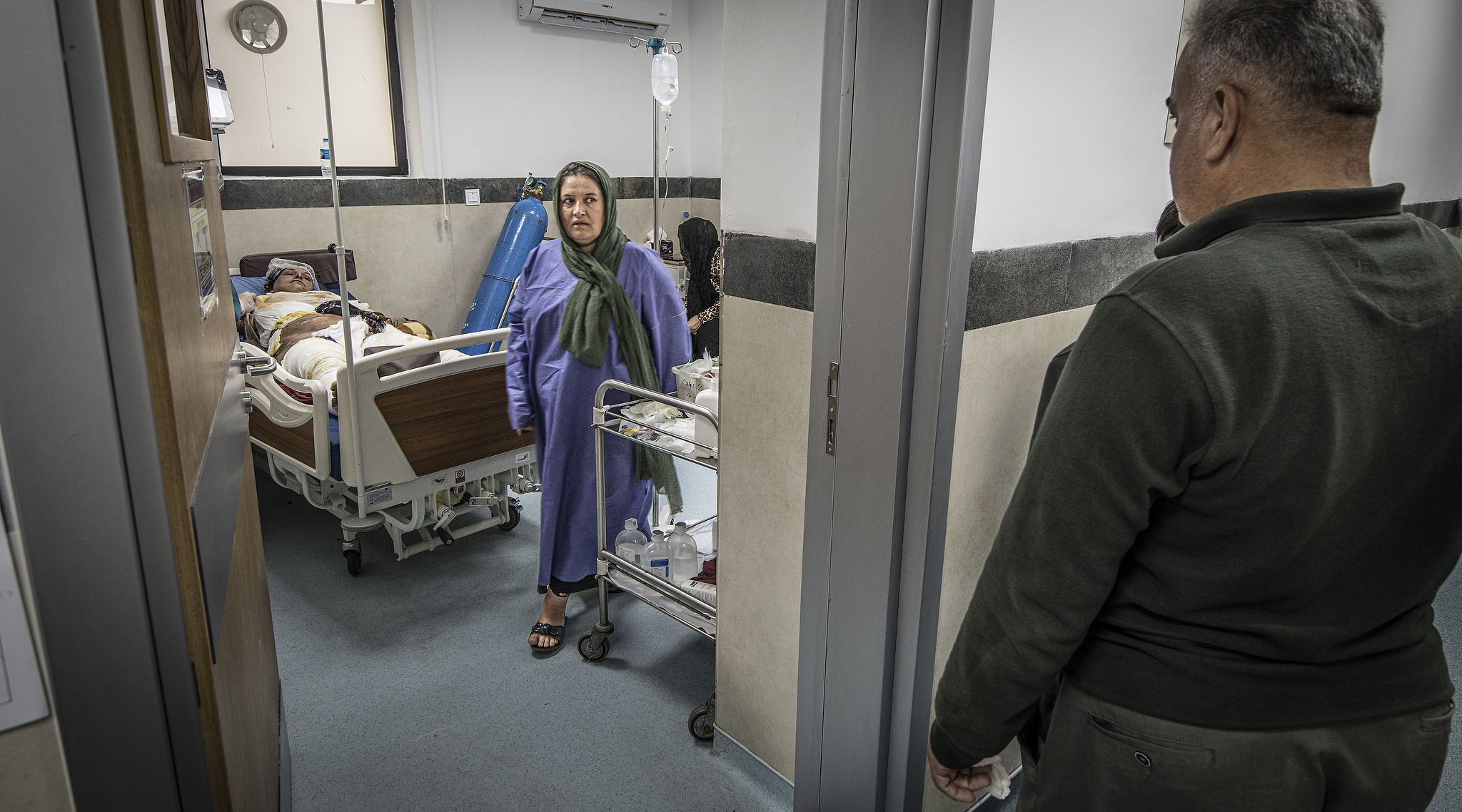
Mother of two Shilan Jilal, 42, suffered 85% burns which her family claimed were as a result of an accident with a bread oven. Medical staff pointed out that her clothes were soaked in kerosene and the burn pattern clearly showed a deliberate act. Shilan died in agony at 9.15pm on May 2nd. Her husband visits under the gaze of Shilan's sister.
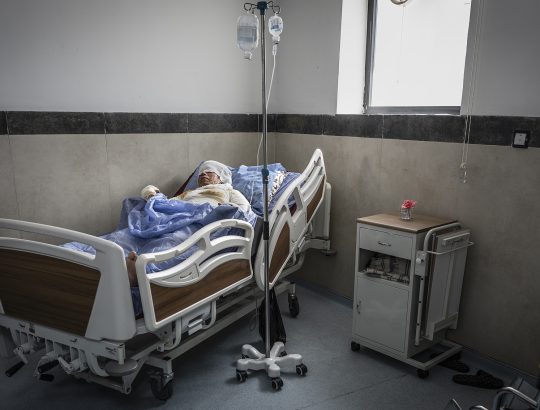
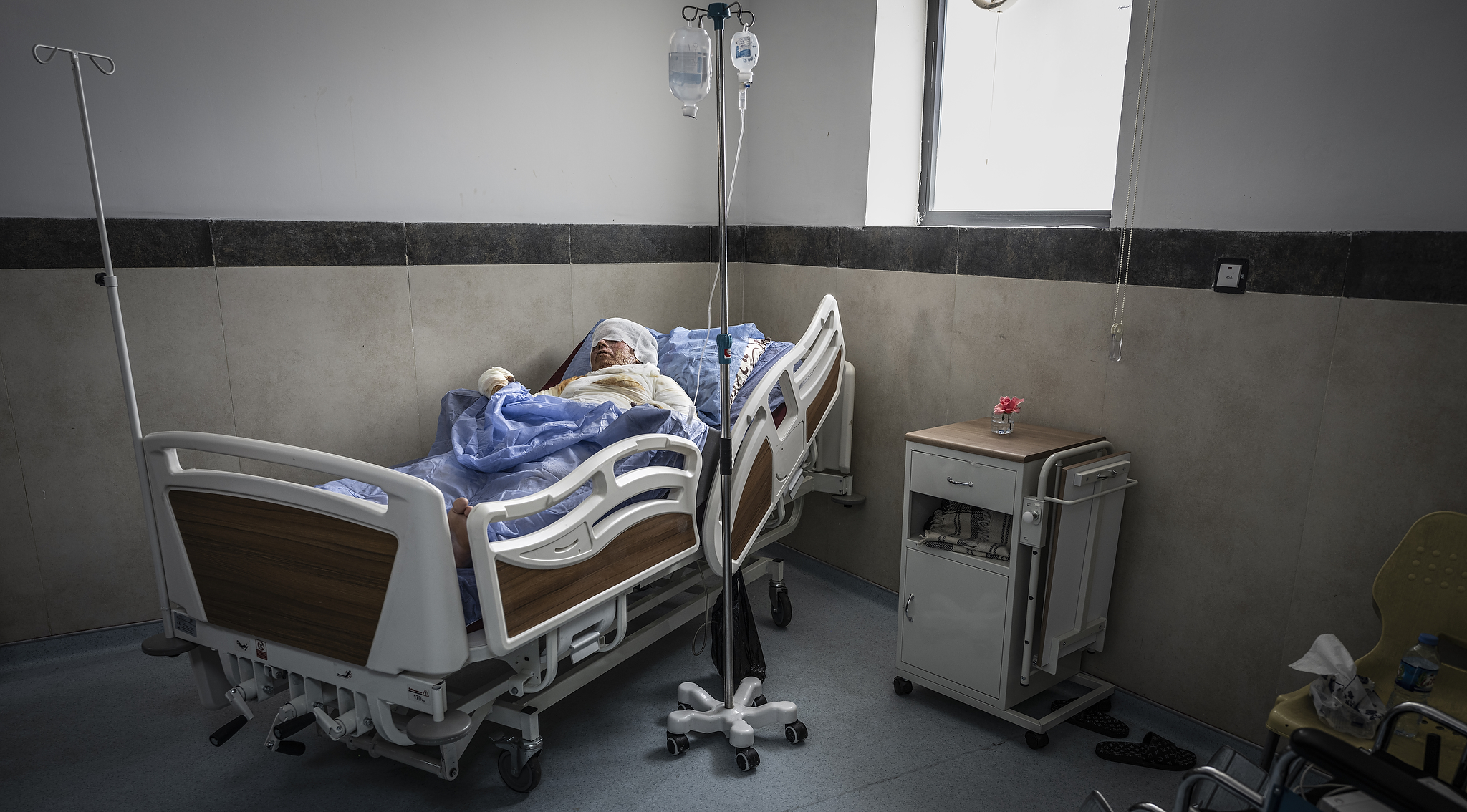
Mother of two Shilan Jilal, 42, suffered 85% burns which her family claimed were as a result of an accident with a bread oven. Medical staff pointed out that her clothes were soaked in kerosene and the burn pattern clearly showed a deliberate act. Shilan died in agony at 9.15pm on May 2nd.
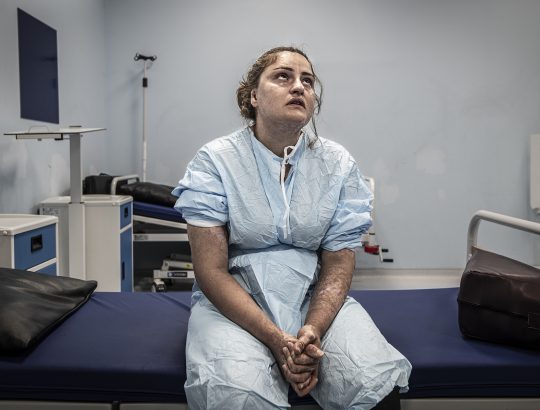
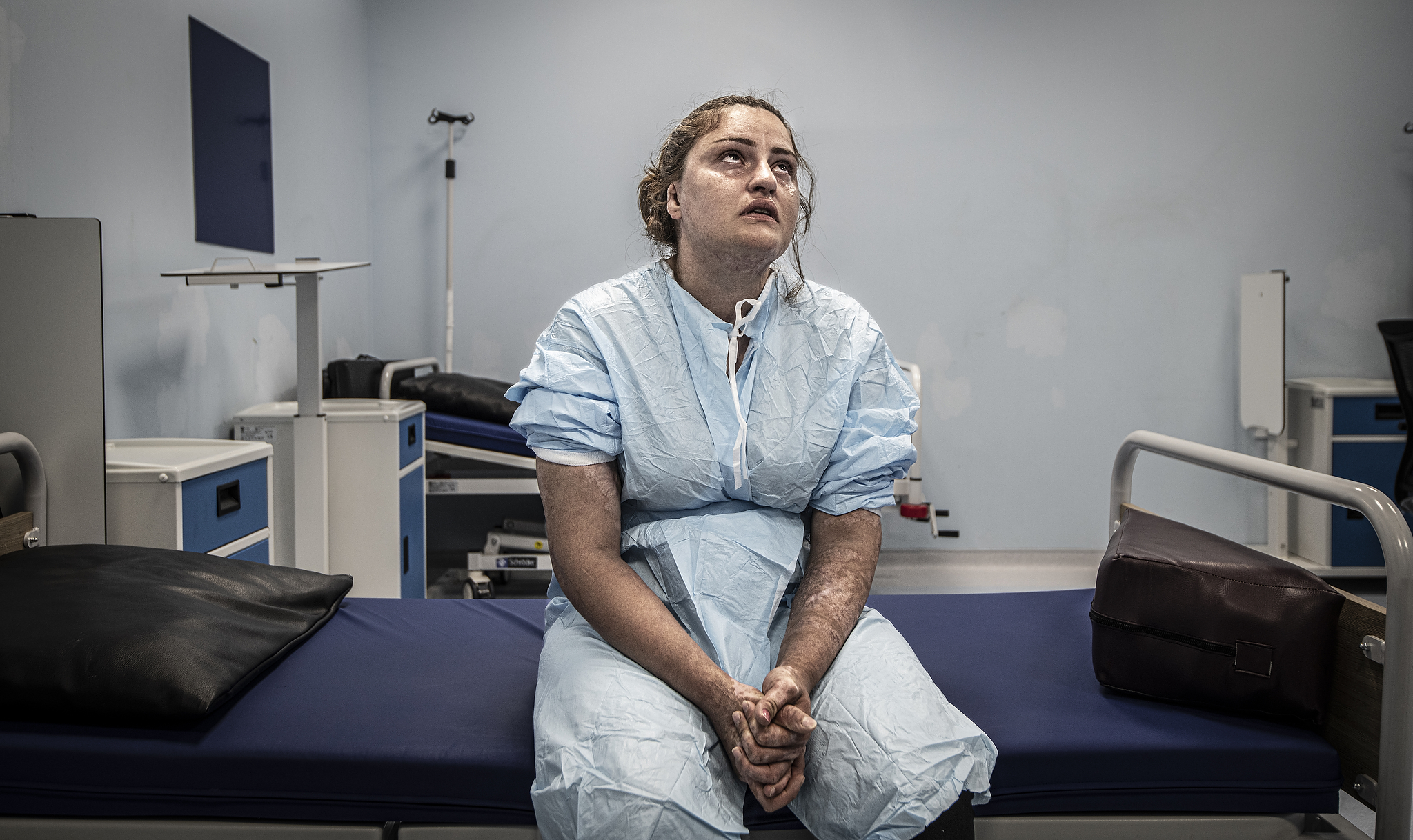
Banaz Farwq, 24, attends a follow-up appointment as an outpatient. She received 78% burns when, after an argument about cooking fish, her mother-in-law threw kerosene over her which her husband then lit.
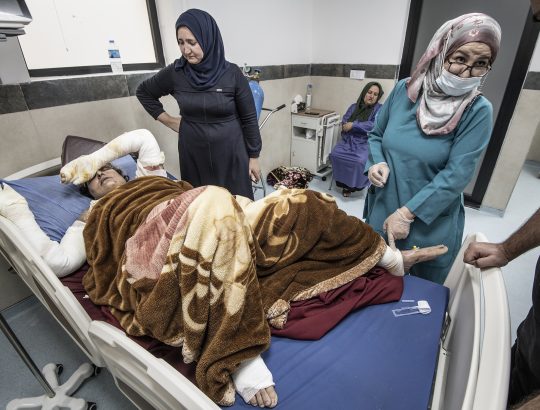
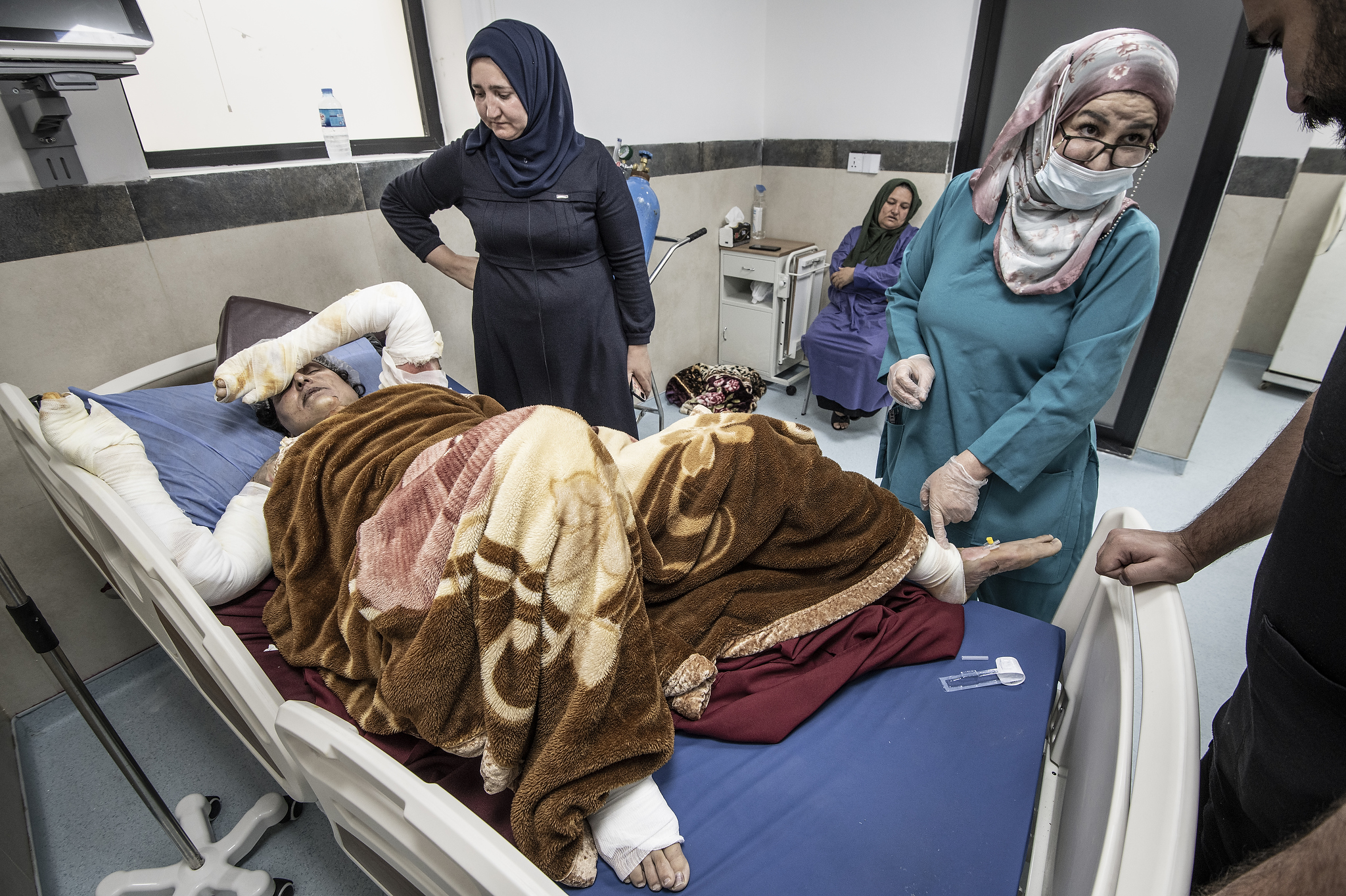
Mother of two Shilan Jilal, 42, suffered 85% burns which her family claimed were as a result of an accident with a bread oven. Medical staff pointed out that her clothes were soaked in kerosene and the burn pattern clearly showed a deliberate act. Shilan died in agony at 9.15pm on May 2nd. Desperately trying to find a vein, a doctor and nurse struggle to administer painkillers - they were ultimately unsuccessful.
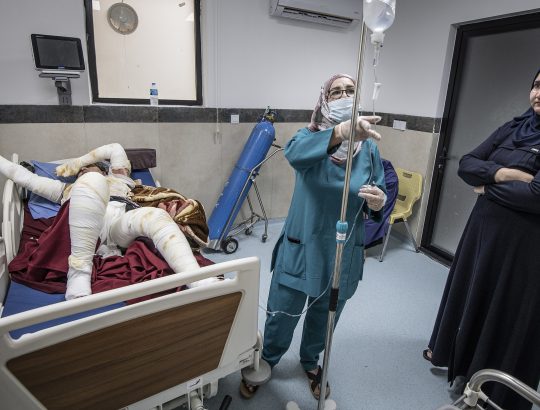
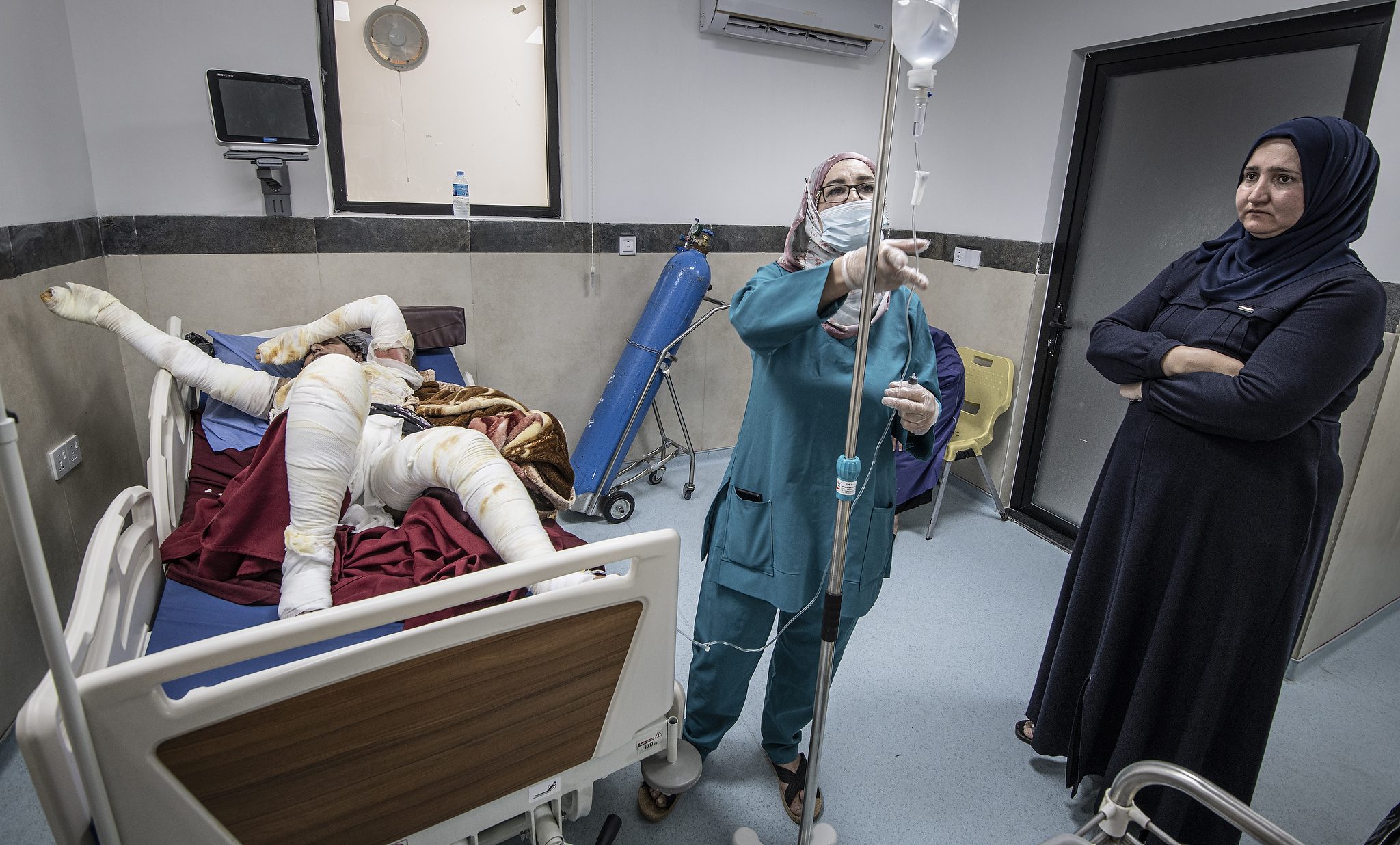
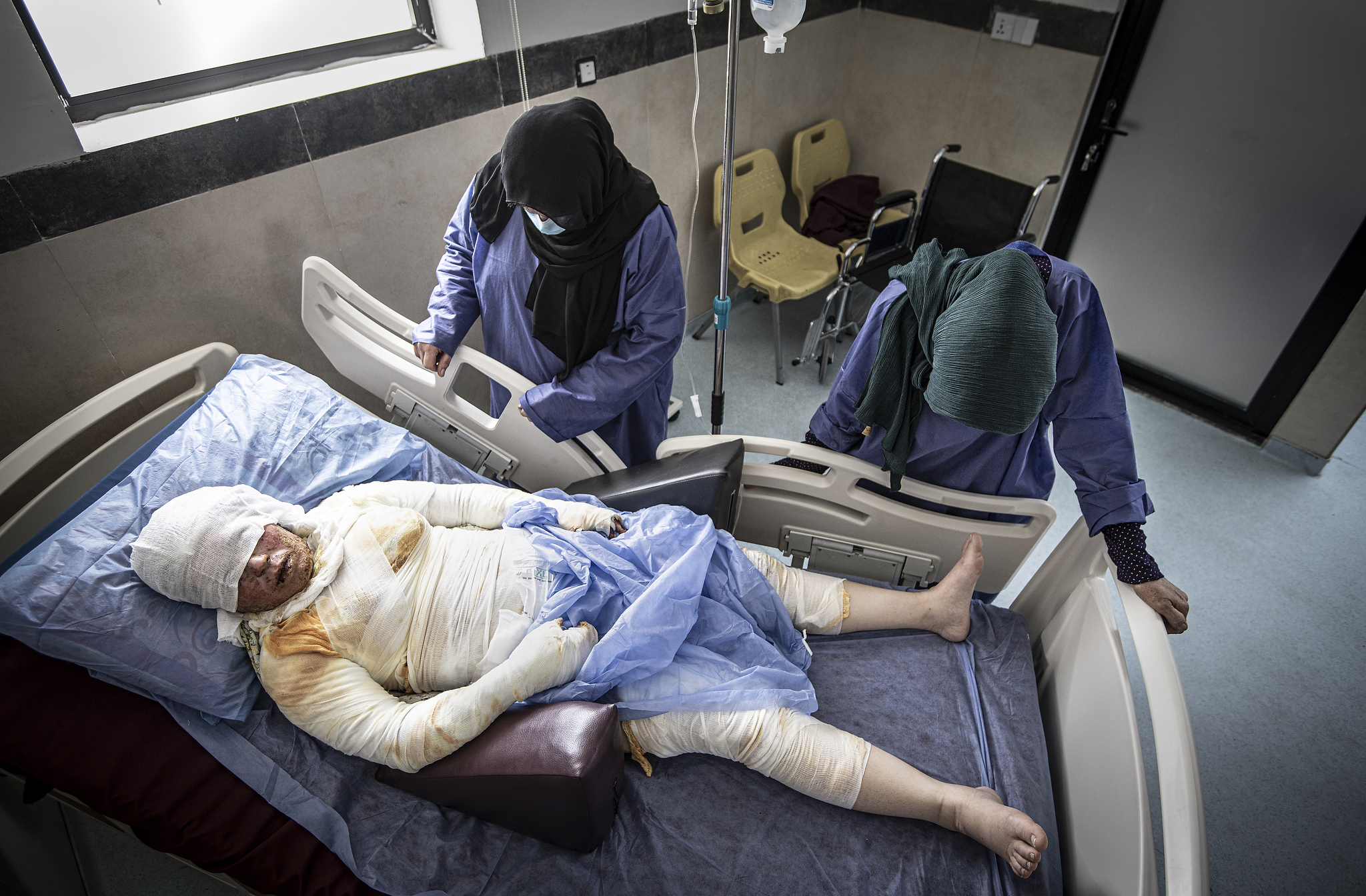
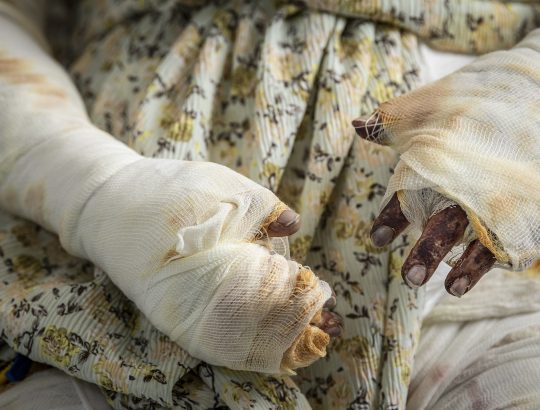
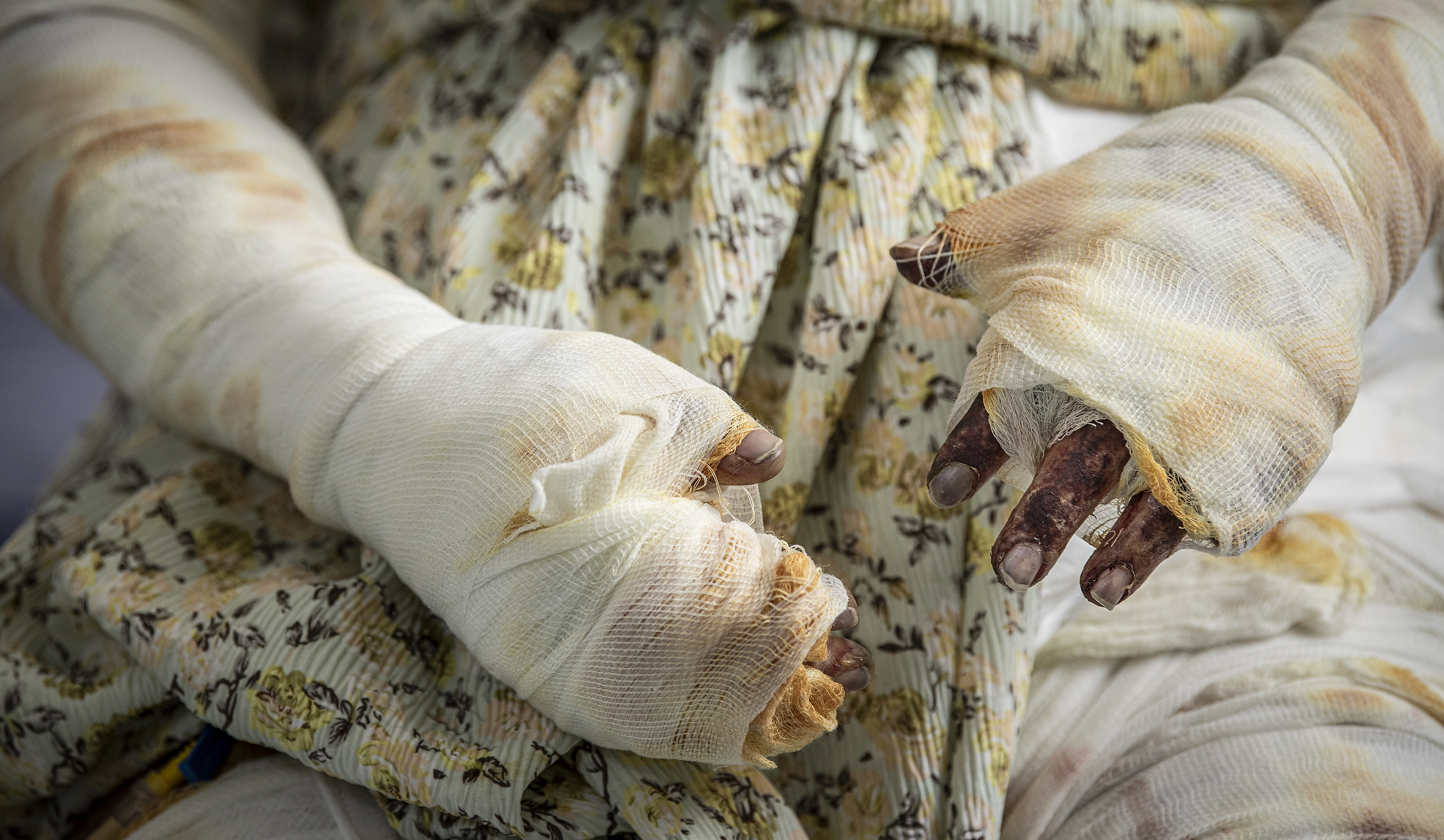
Srwa Jumaa Kareem, 30, suffered 53% burns which she say occurred as a result of a gas explosion. Hospital staff explained that she was in fact a victim of kerosene burns most likely as a result of self immolation or domestic assault. Many families misreport because of the associated stigma.