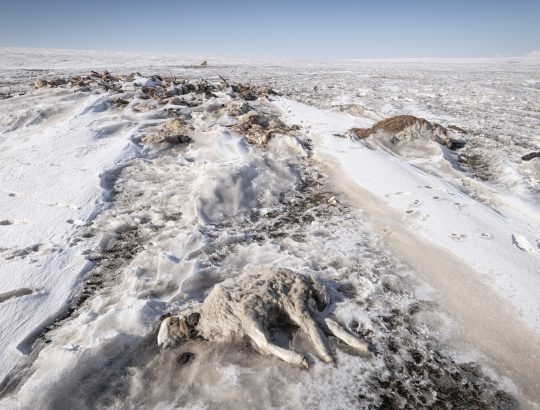
The Dzud – Mongolia’s weather disaster
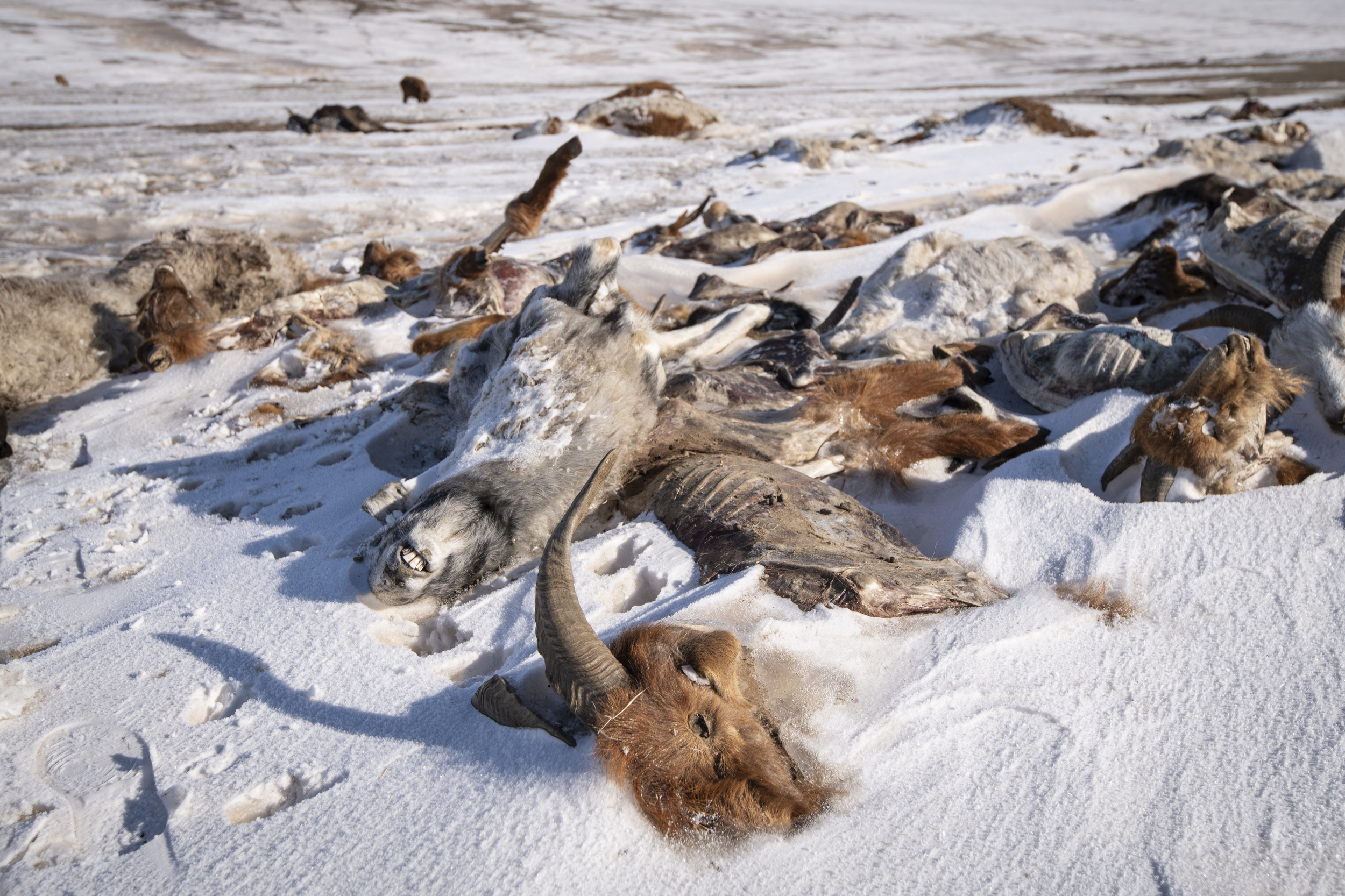
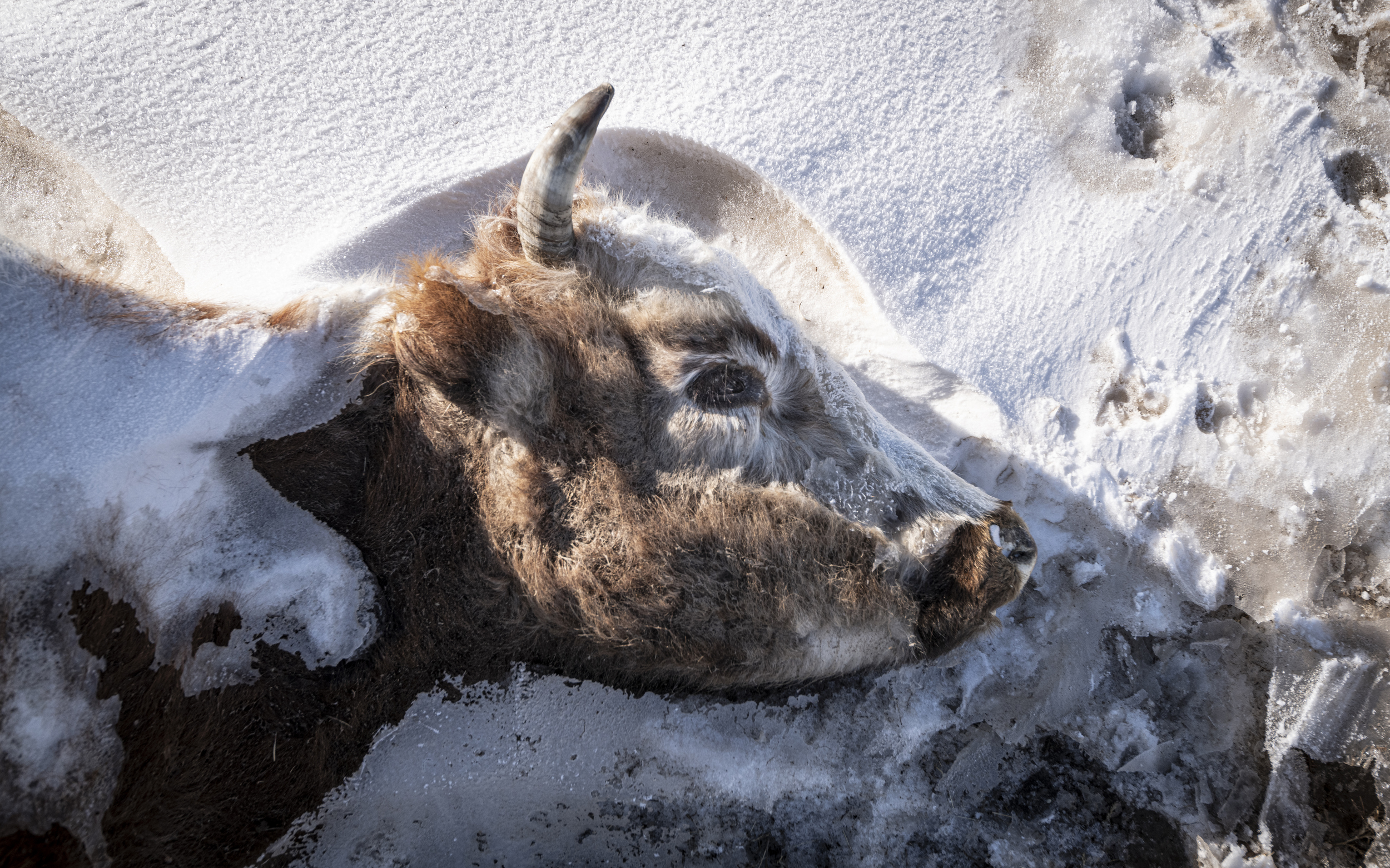
The sight of dead and dying animals has become tragically familiar in Mongolia this year as the East Asian nation has fallen into the grip of a slow-onset weather disaster known as the “dzud”.
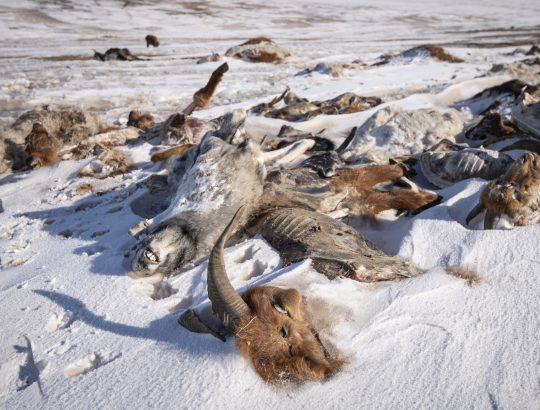
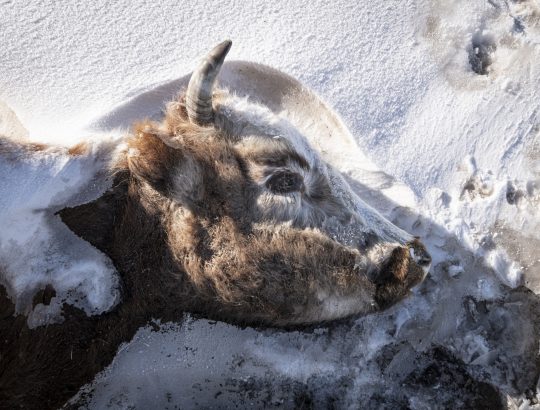
About 90 per cent of the country has been impacted by the phenomenon – a deadly mix of perishing temperatures as low as -50C, icy winds and layers of heavy snow that have weakened livestock and frozen pasturelands, killing between four to six million cows, sheep, goats and horses since last November.
Officials say this year’s dzud is the worst in decades. Scientists attribute the catastrophe to a mixture of overgrazing and global climate change.
Many isolated farming communities are already on the brink but millions more animals are expected to perish before the weather breaks towards the end of April, says Sainbuyan Amarsaikhan, the country’s deputy prime minister. “The loss could reach up to 15 million this year. We still have long days ahead”.
Mongolia, a country about six times the size of the UK but with just 3.4 million people, is on the frontline of the global climate crisis, which is reshaping its winter season to cause more extreme conditions.
According to an article published by the Yale School of Environment, one factor may be the weakening of the polar jet stream, a fast-flowing wind circling the earth, which is formed by the collision of Arctic air with warmer air to the south.
The warming of the Arctic is weakening the jet stream, allowing more frigid polar air to strike Mongolia. Dzuds, previously a once in a decade event, are also occurring more frequently.
Read the published story: The deadly deep freeze that has killed millions of farm animals in Mongolia
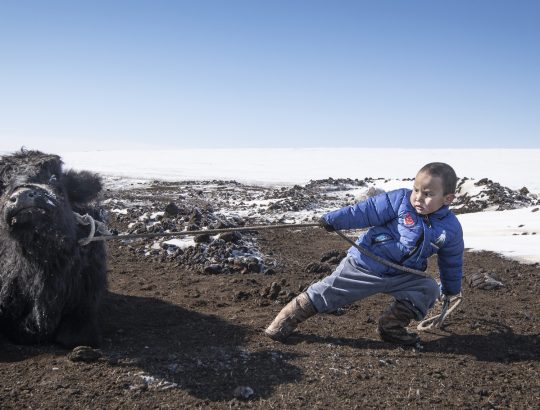


Dorjoo Borkhuu, 4, struggles to get one of his family’s cows to its feet in sub-zero conditions on the Eastern plains of Sukhbaatar Province, South East Mongolia.


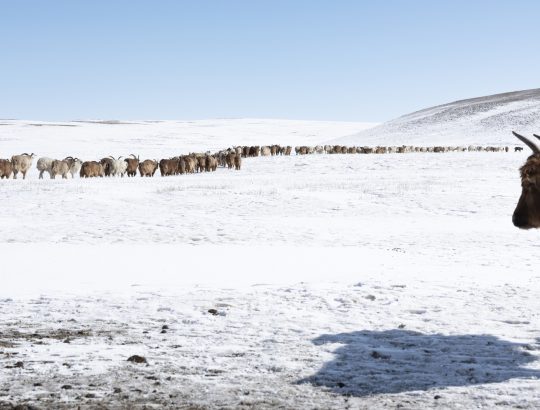
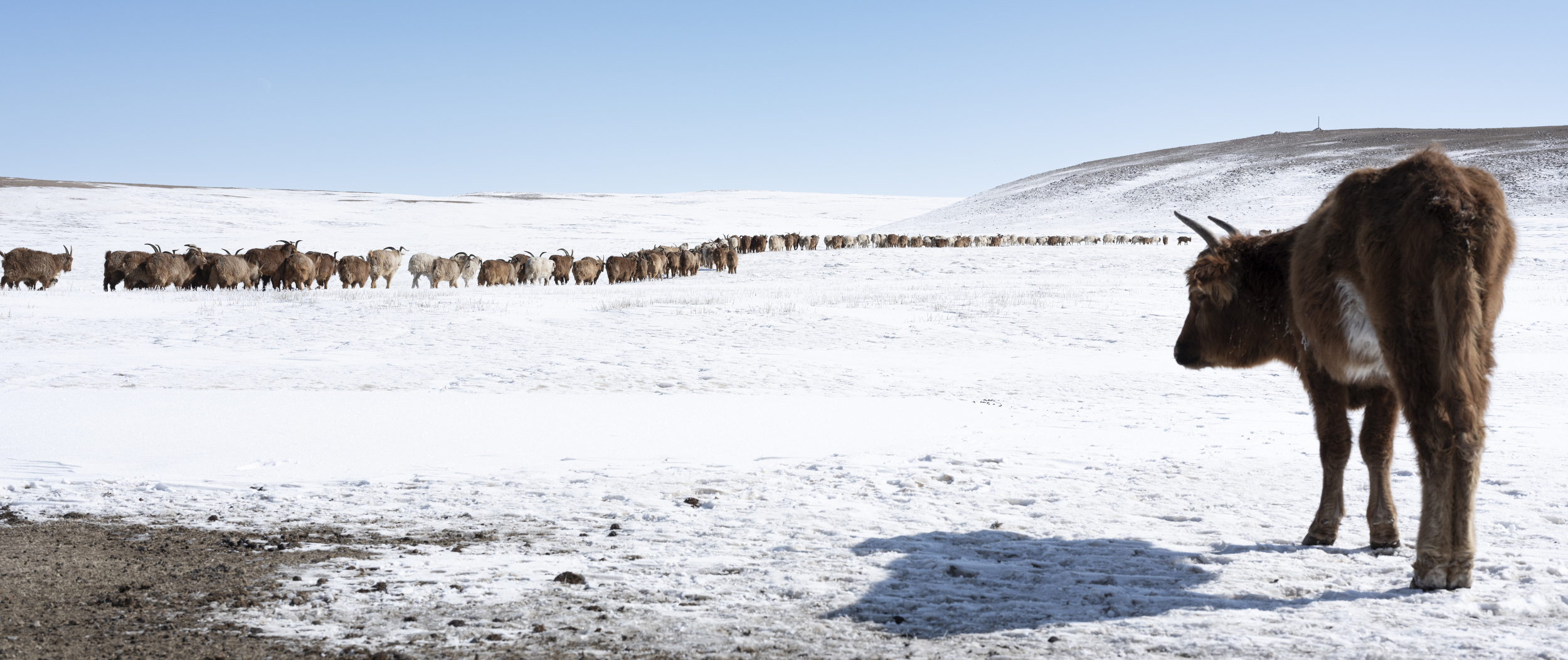
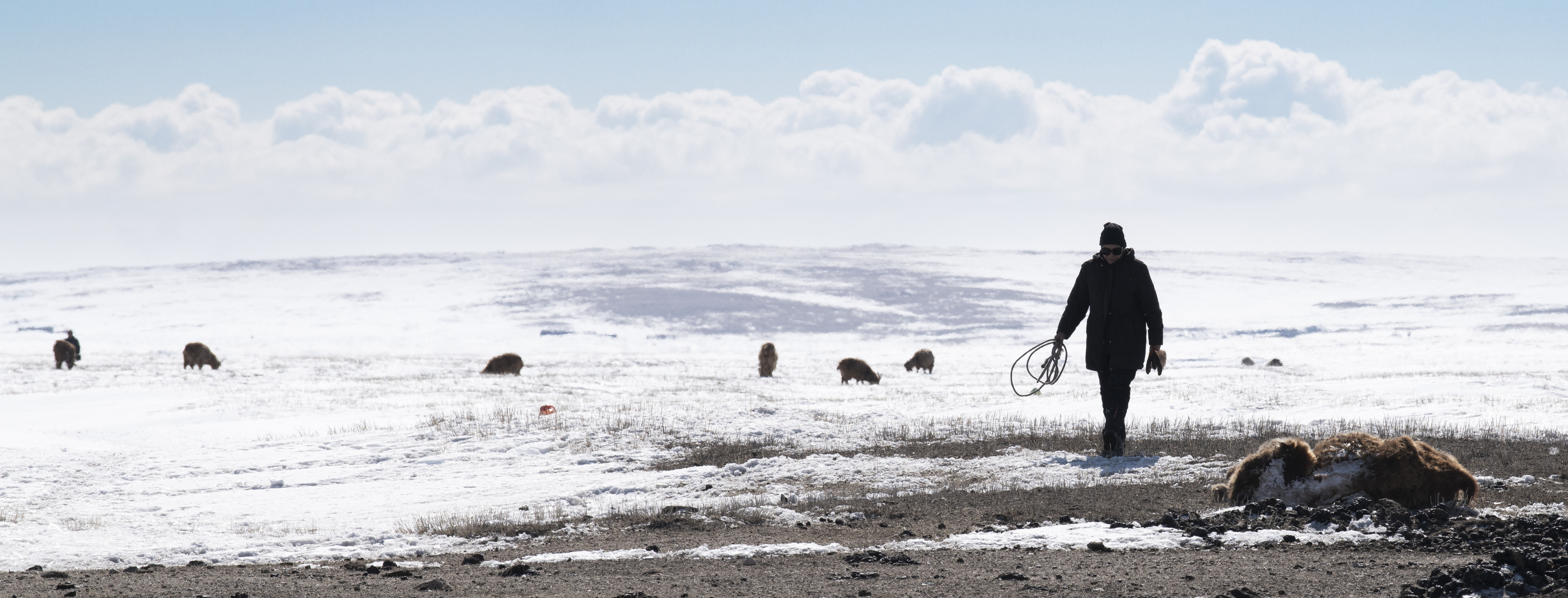
Livestock on the steppe, Sukhbaatar Province, South East Mongolia.
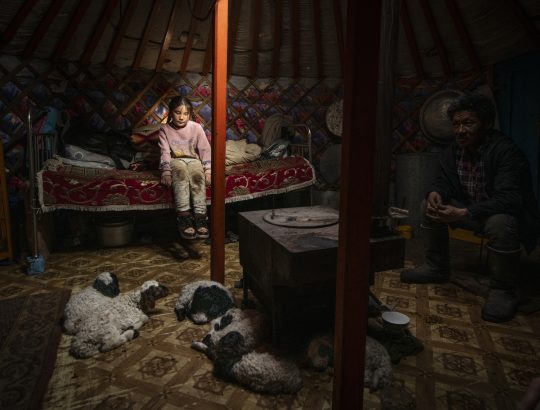
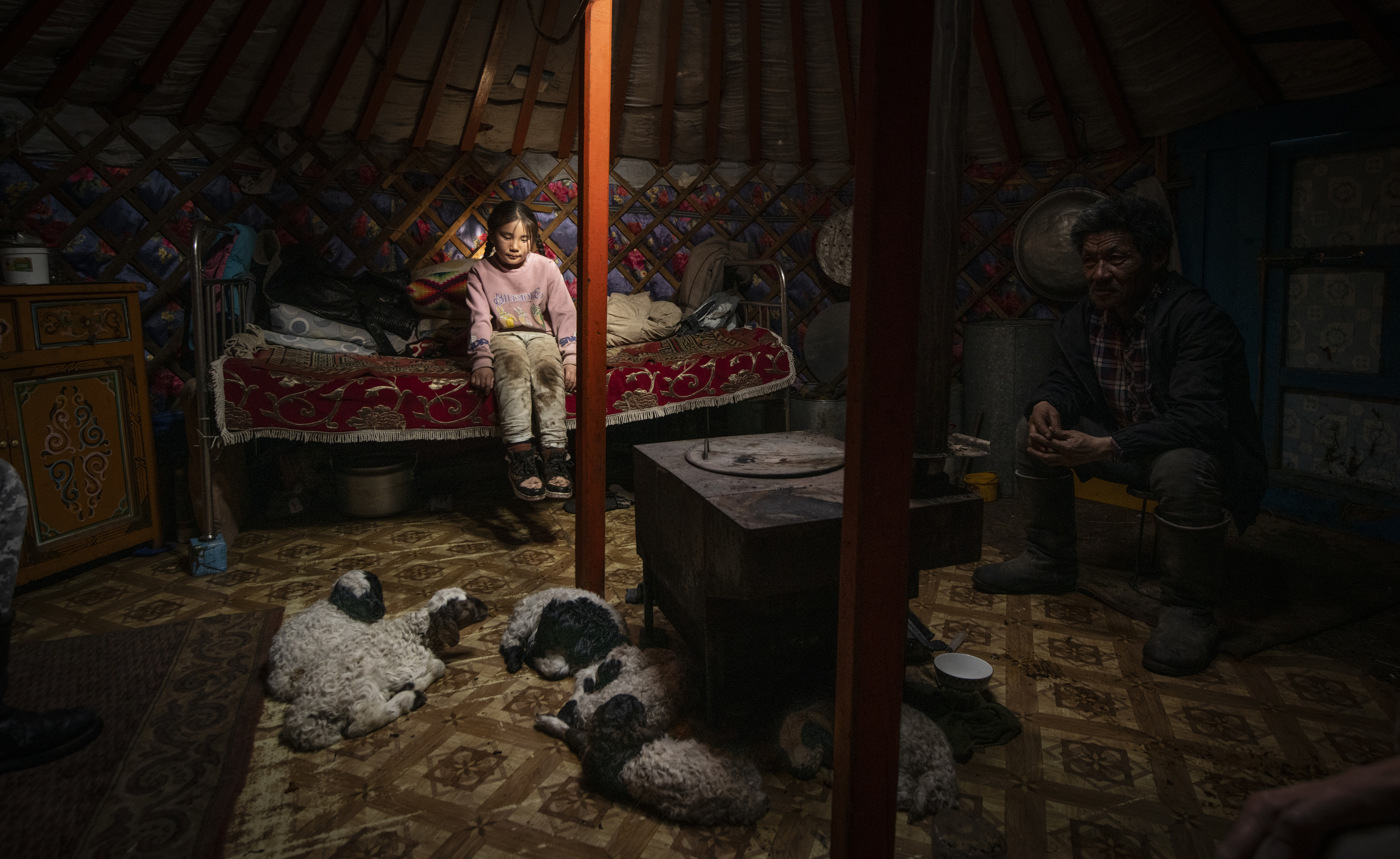
Buyanzaya Naratseeg, 10, in the family ger, keeping rescued lambs warm by the stove.
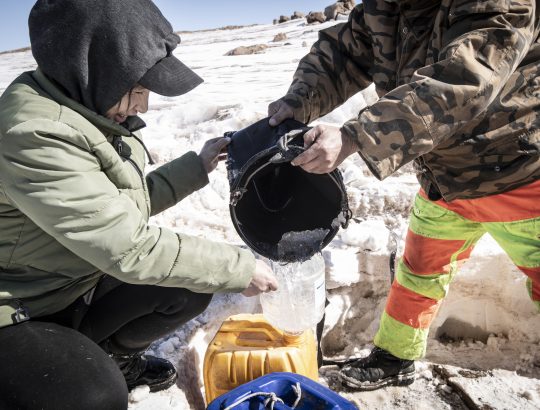
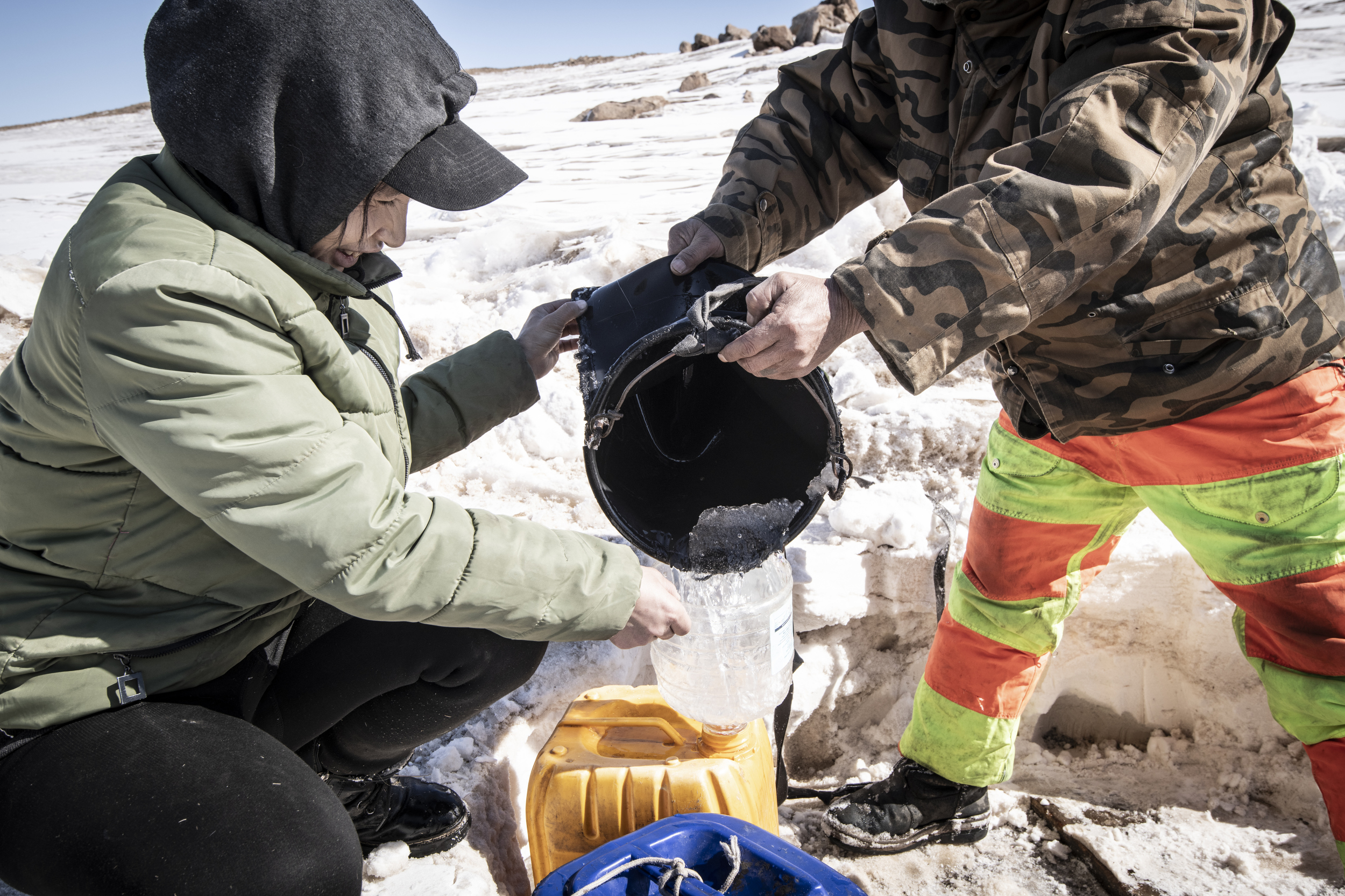
Neighbours take turns to hack ice from the mouth of a freshwater well.
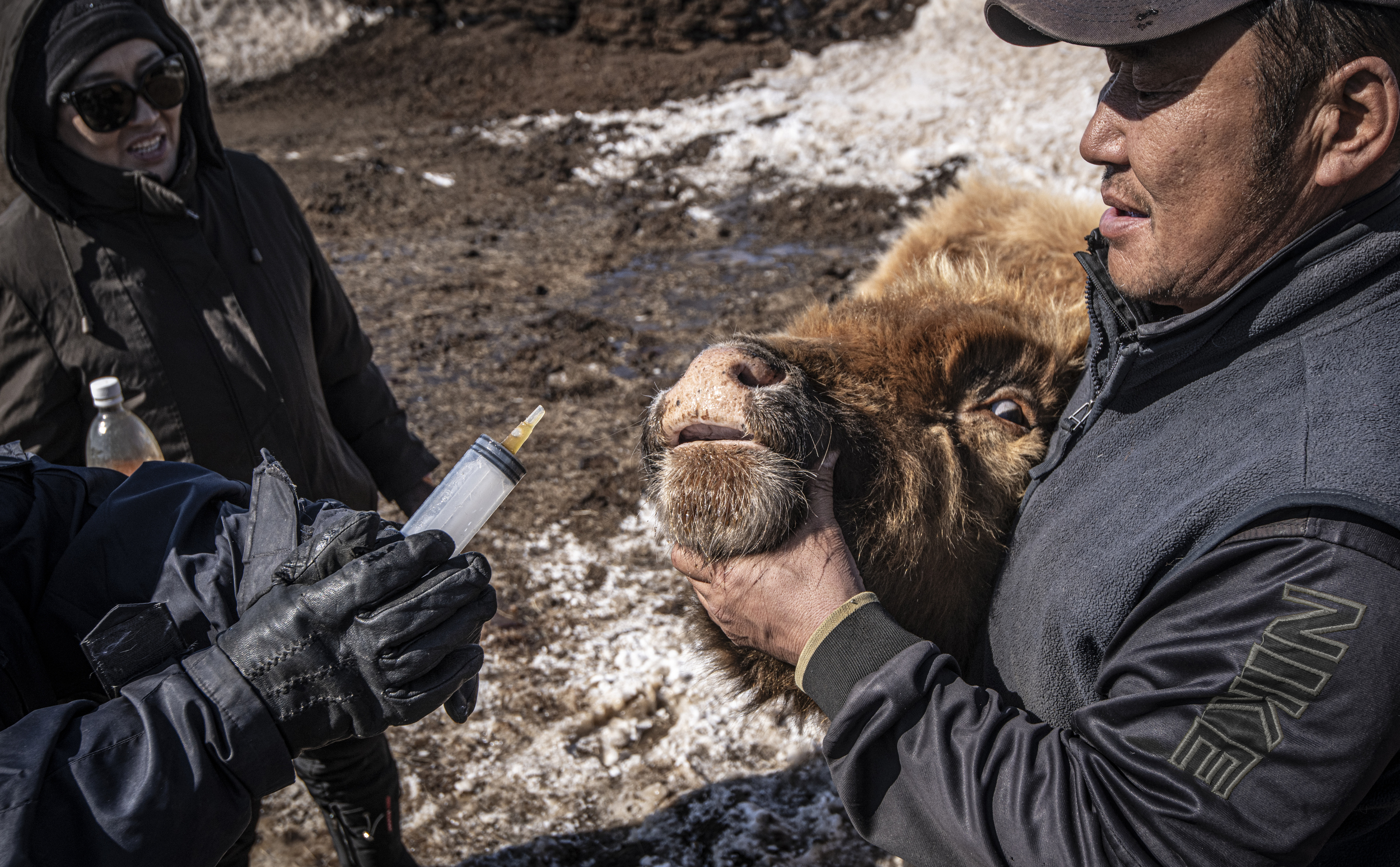
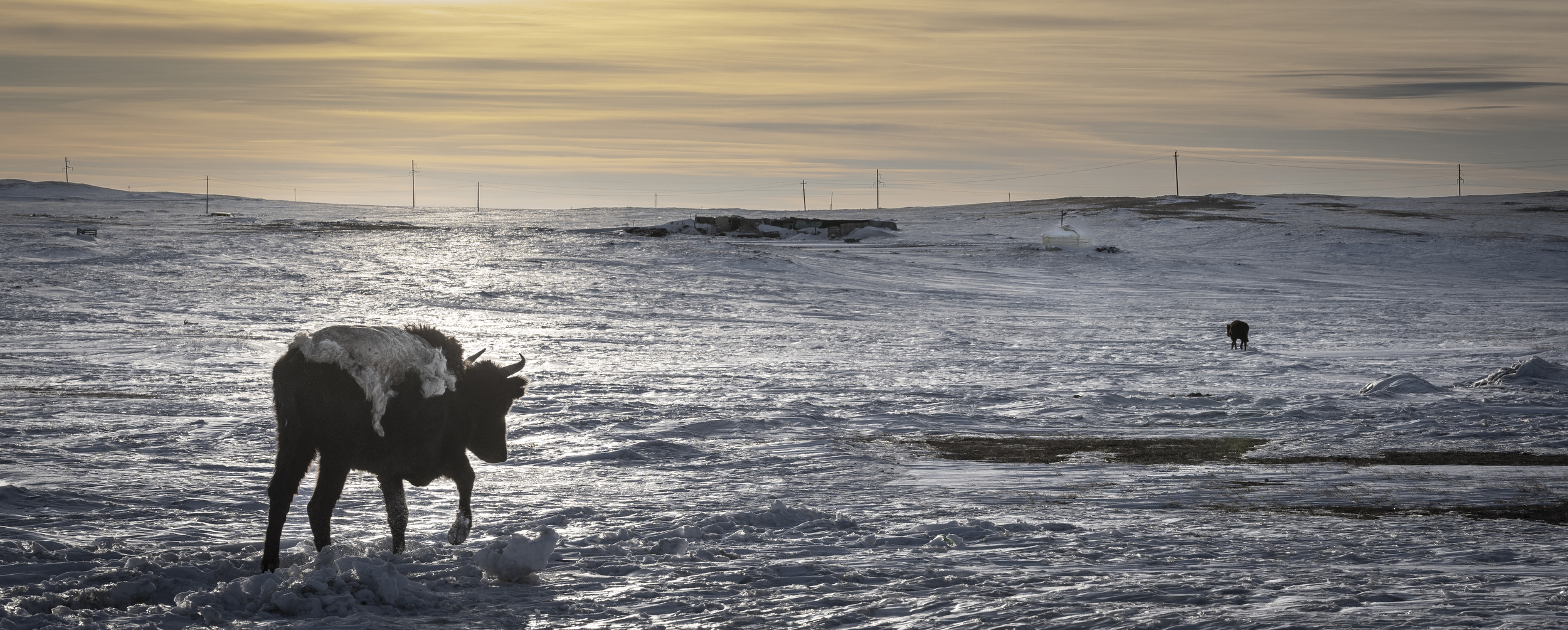
Herders drape their cattle in the skins of dead sheep in an attempt to keep them warm.
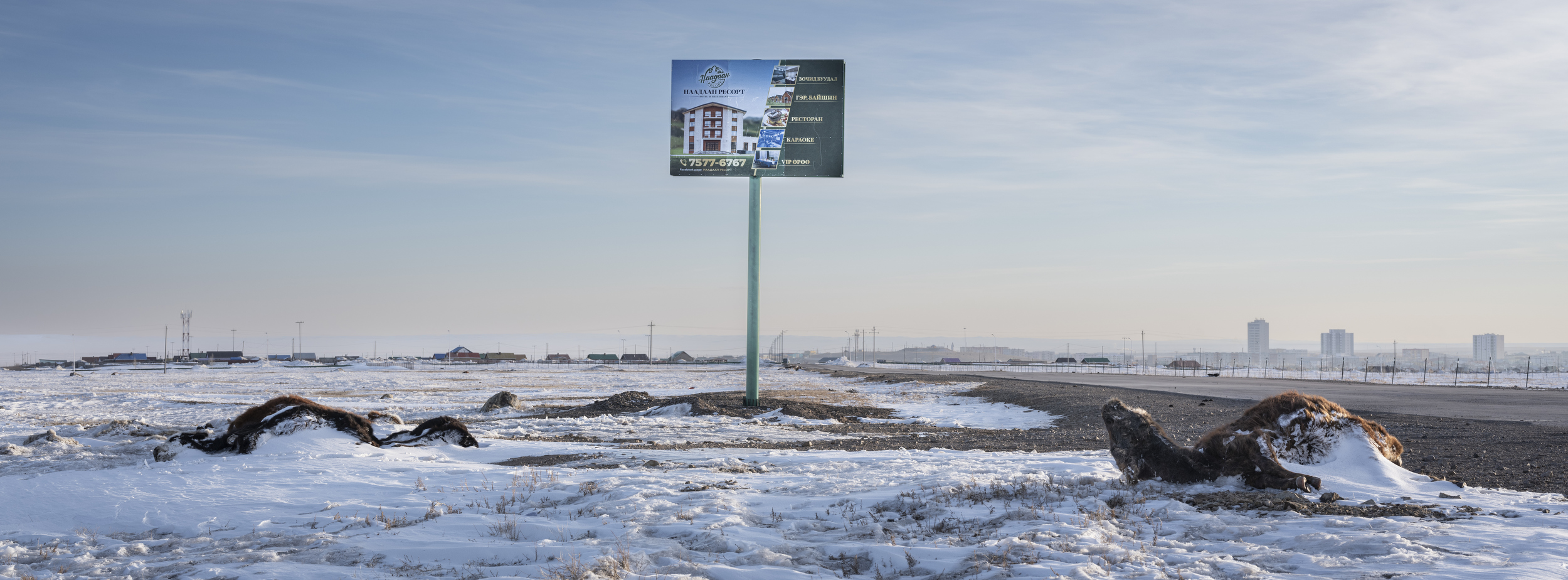
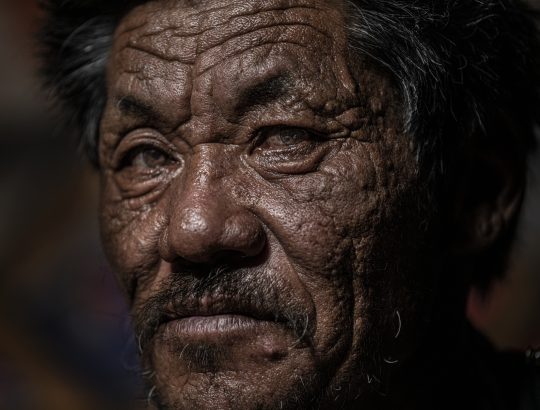
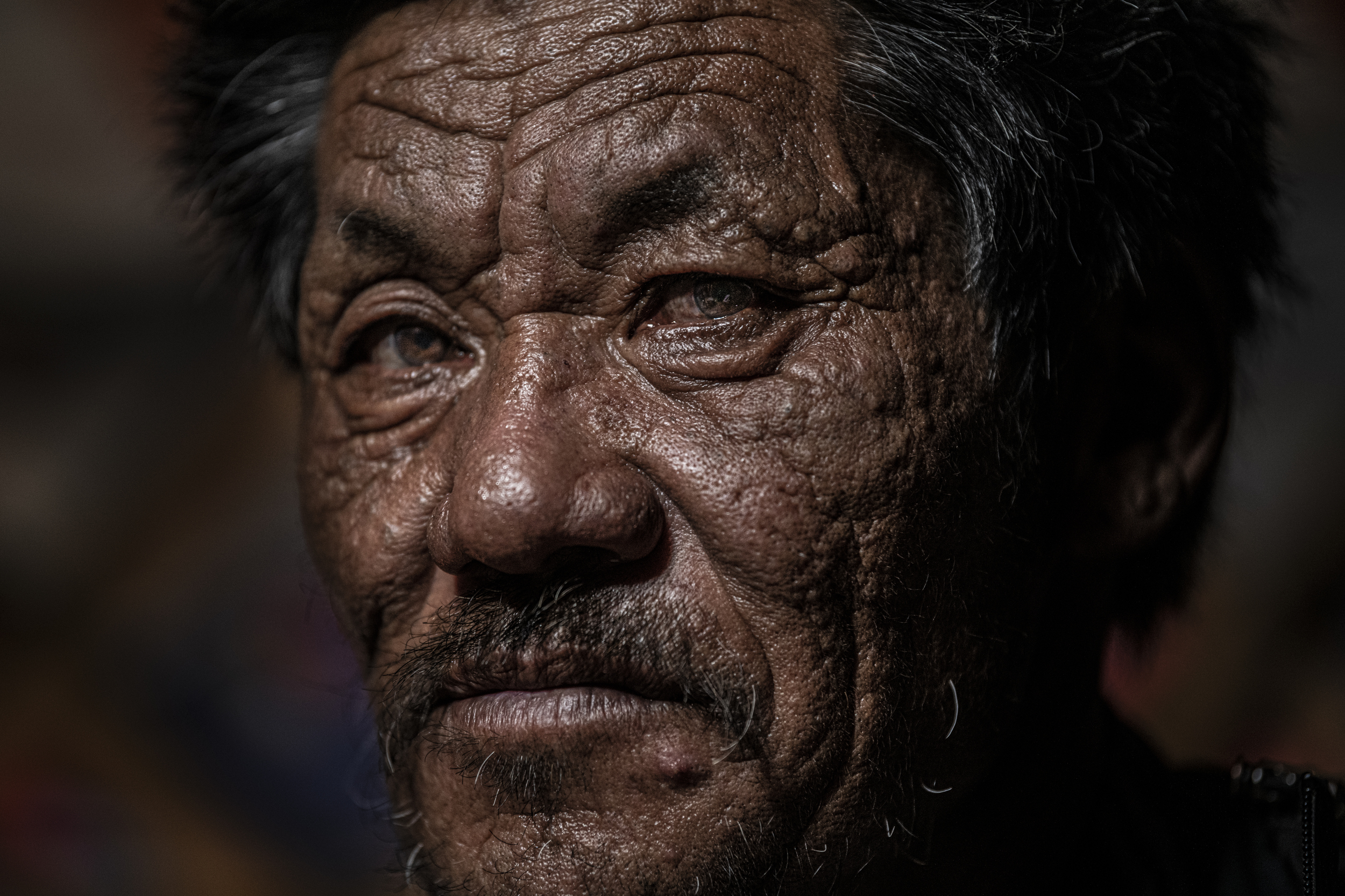
Some 141,000 herders now face crippling debts.
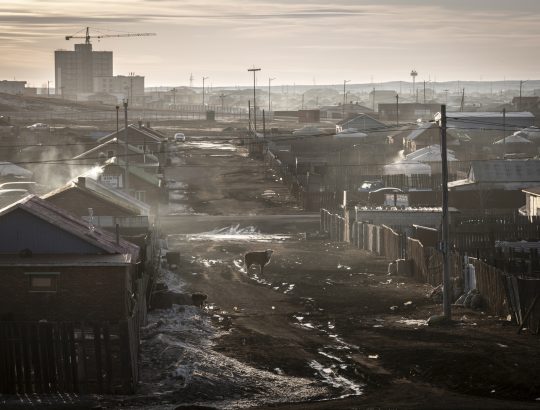
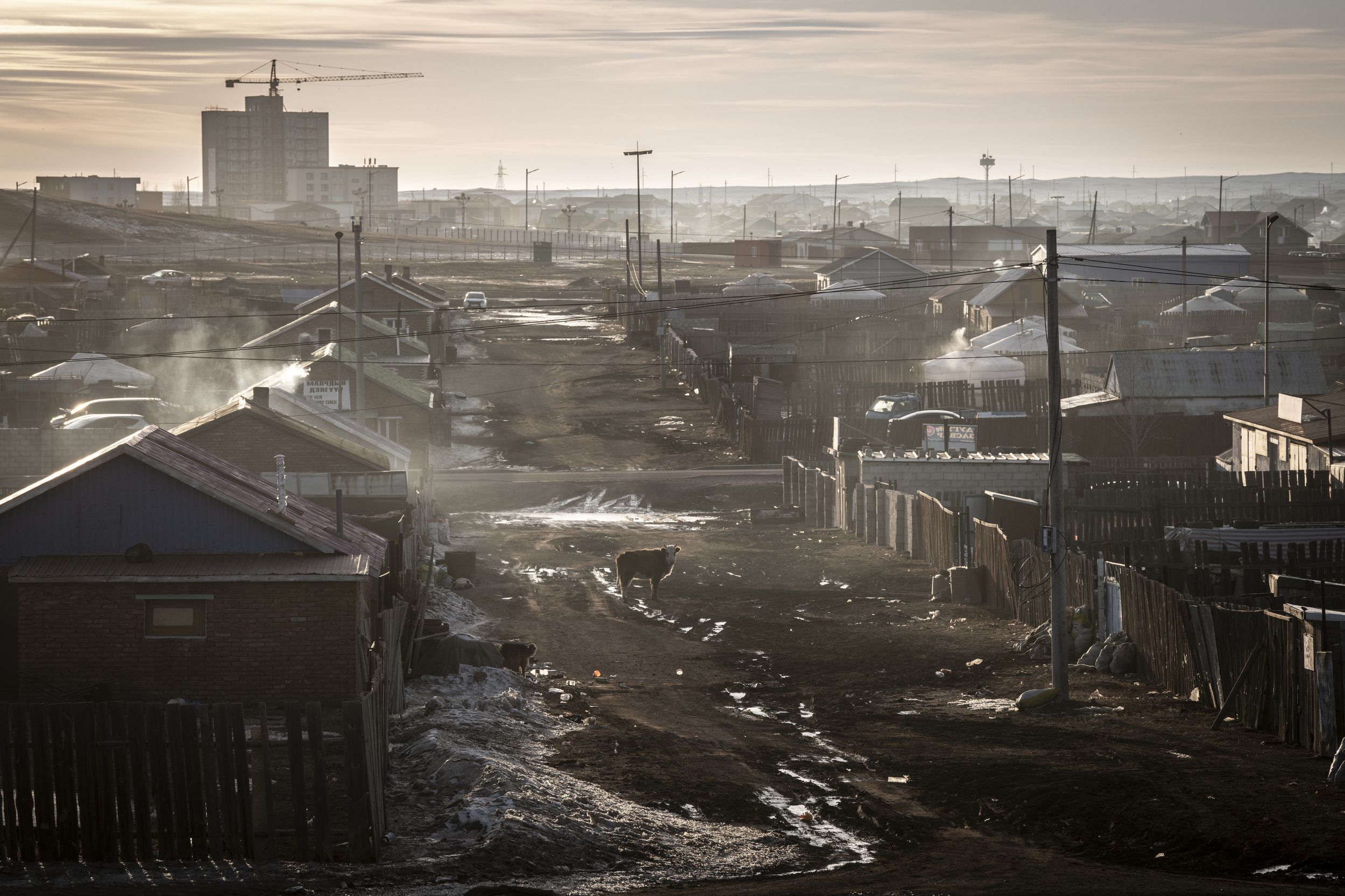
A cow tries to escape the steppe's winds and sub-zero temperatures in the town of Baruun Urt.
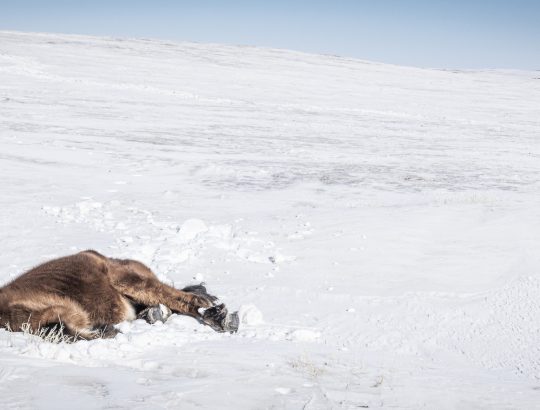

In sub-zero conditions on the Eastern plains of Sükhbaatar Province, an emaciated horse struggles to stay alive.
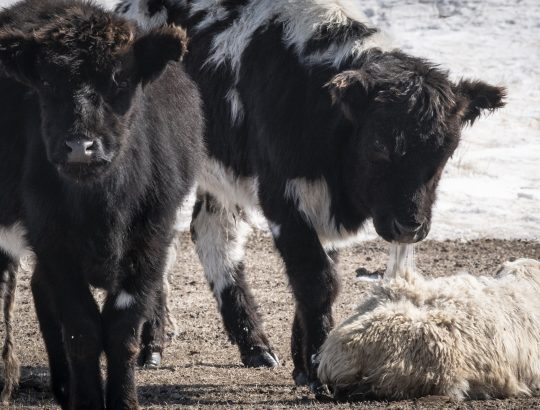
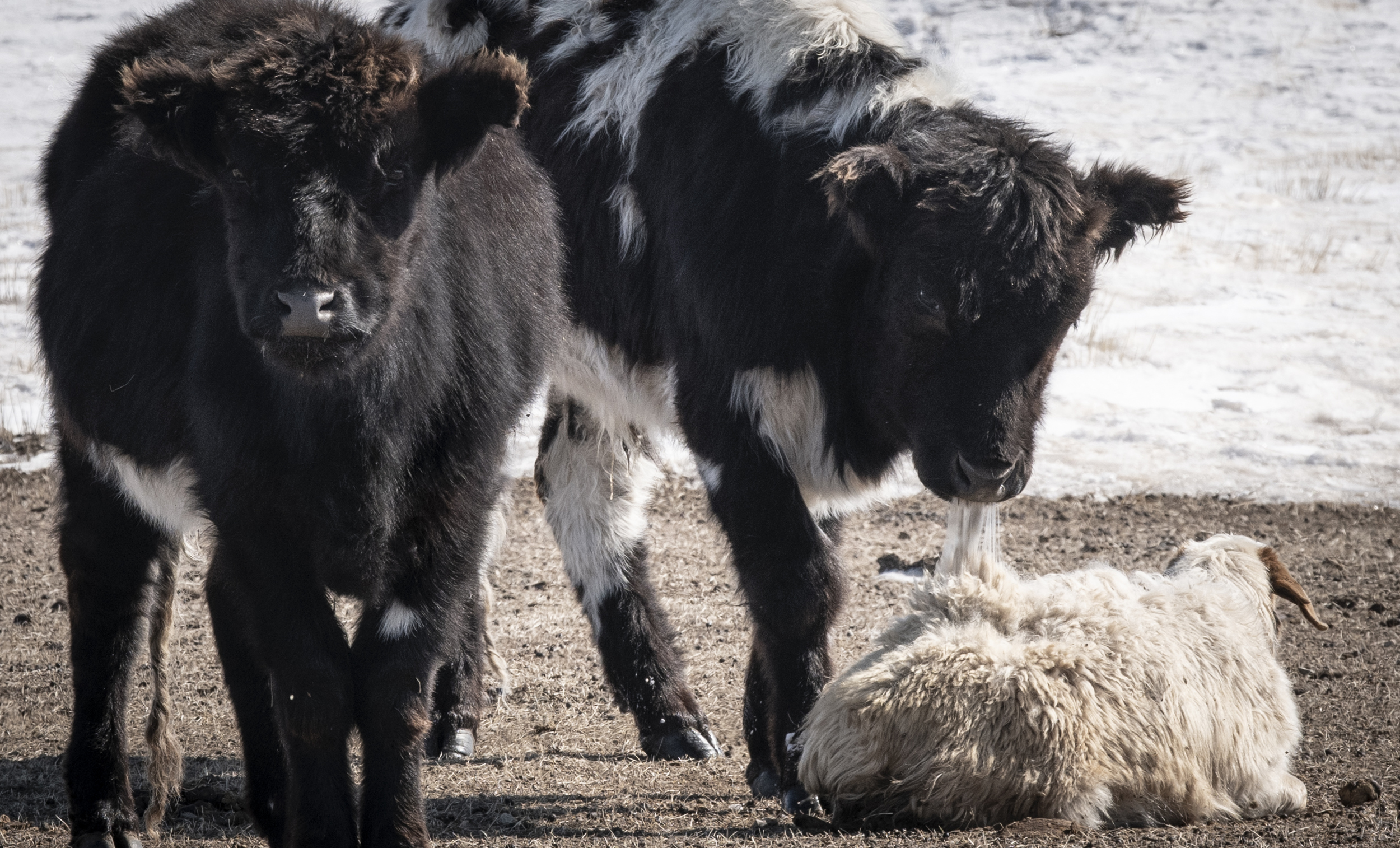
A cow eats the wool from the back of a still-living sheep after its collapse from cold and exhaustion.
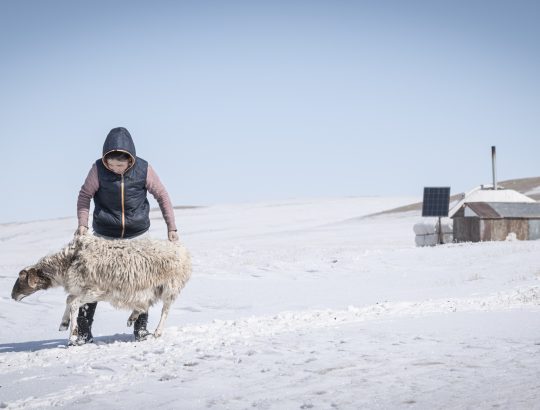

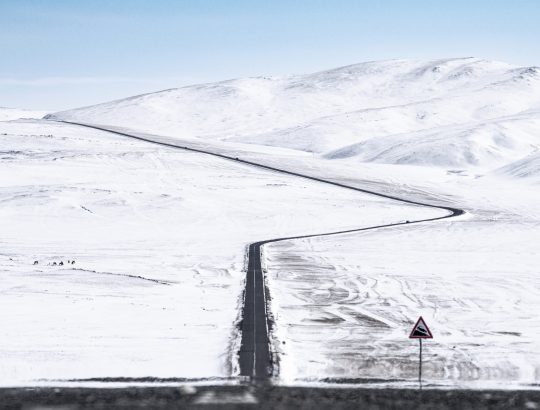
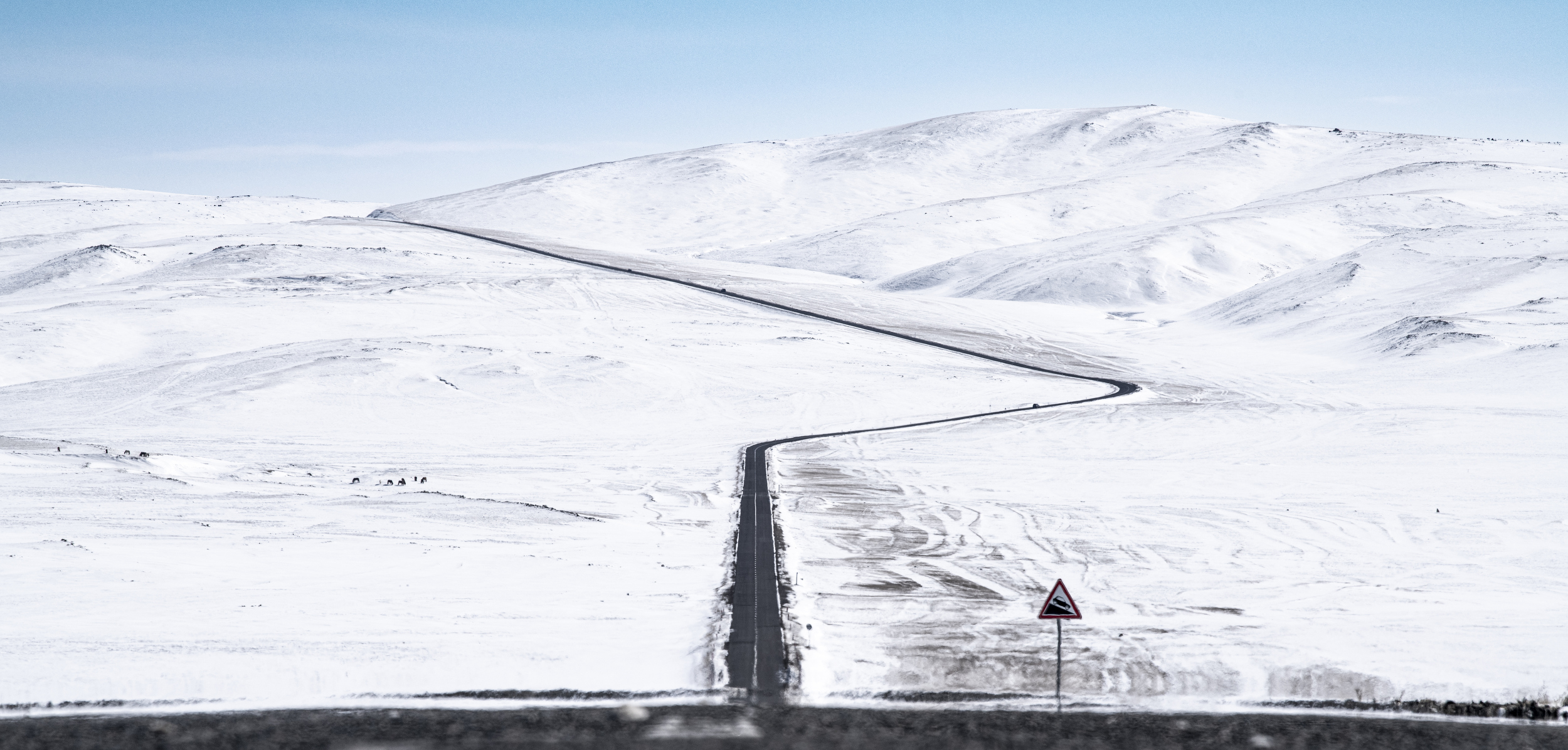
About 90 per cent of the country has been impacted by the dzud phenomenon.
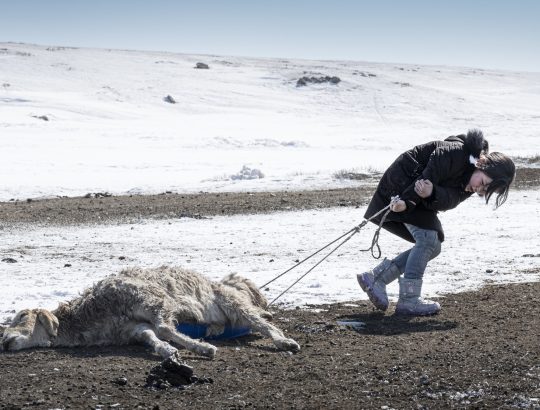

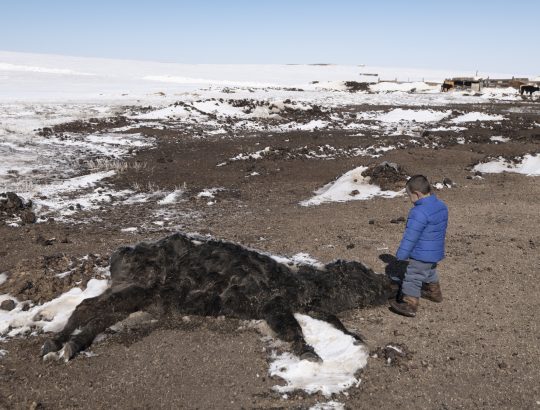
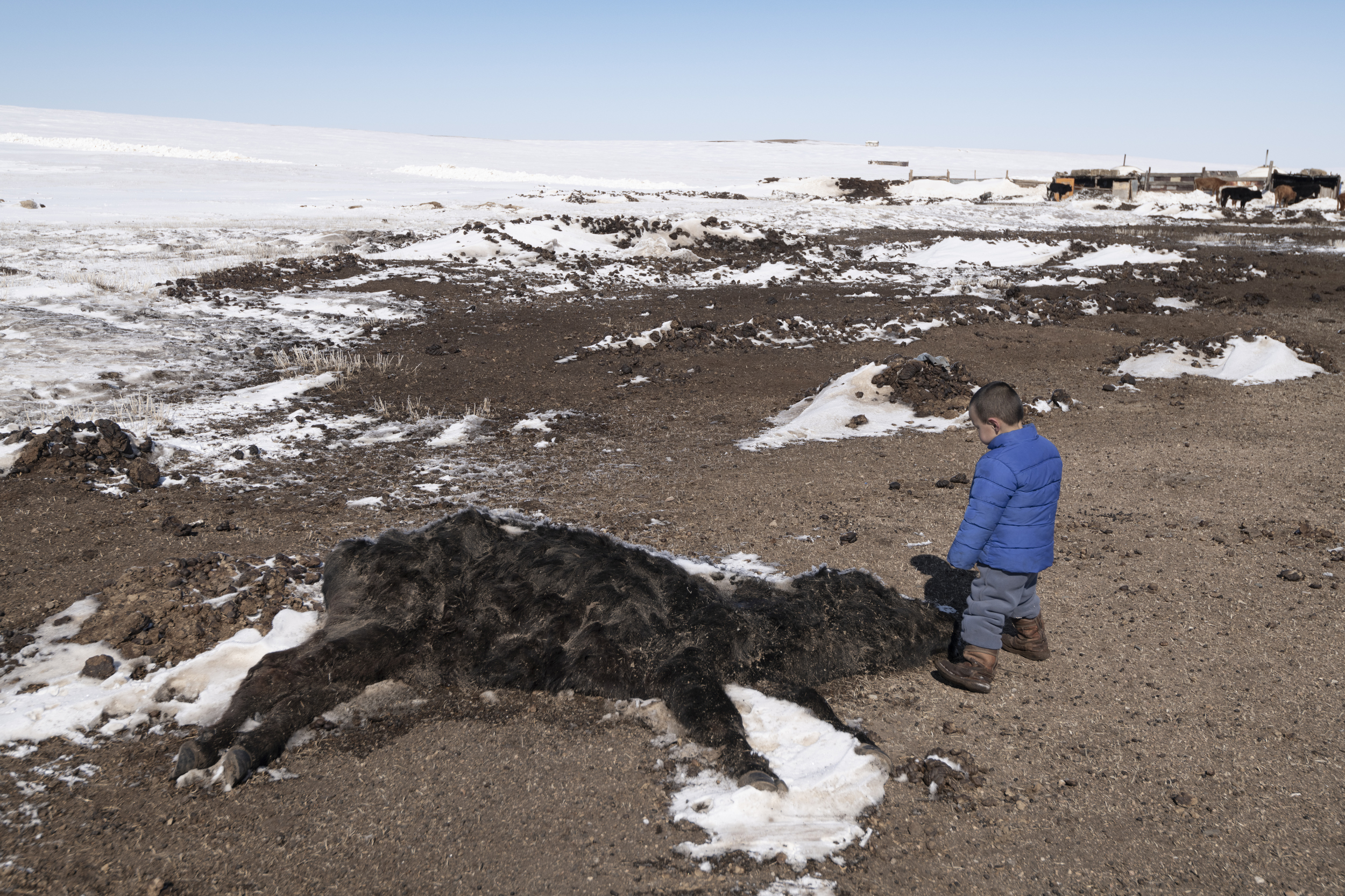
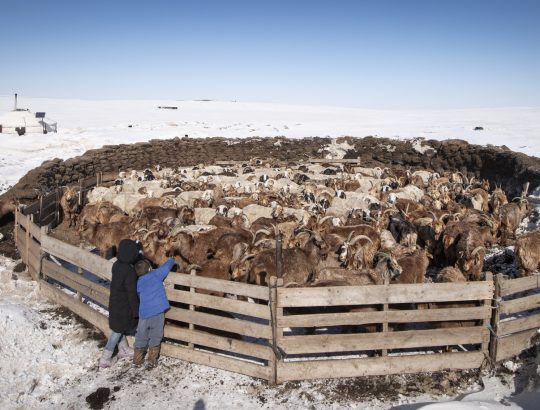

The pen sheltering the family flock from temperatures as low as -40 C. A number of the animals died overnight.
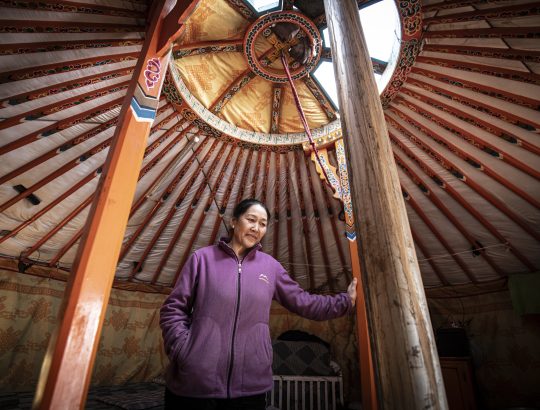
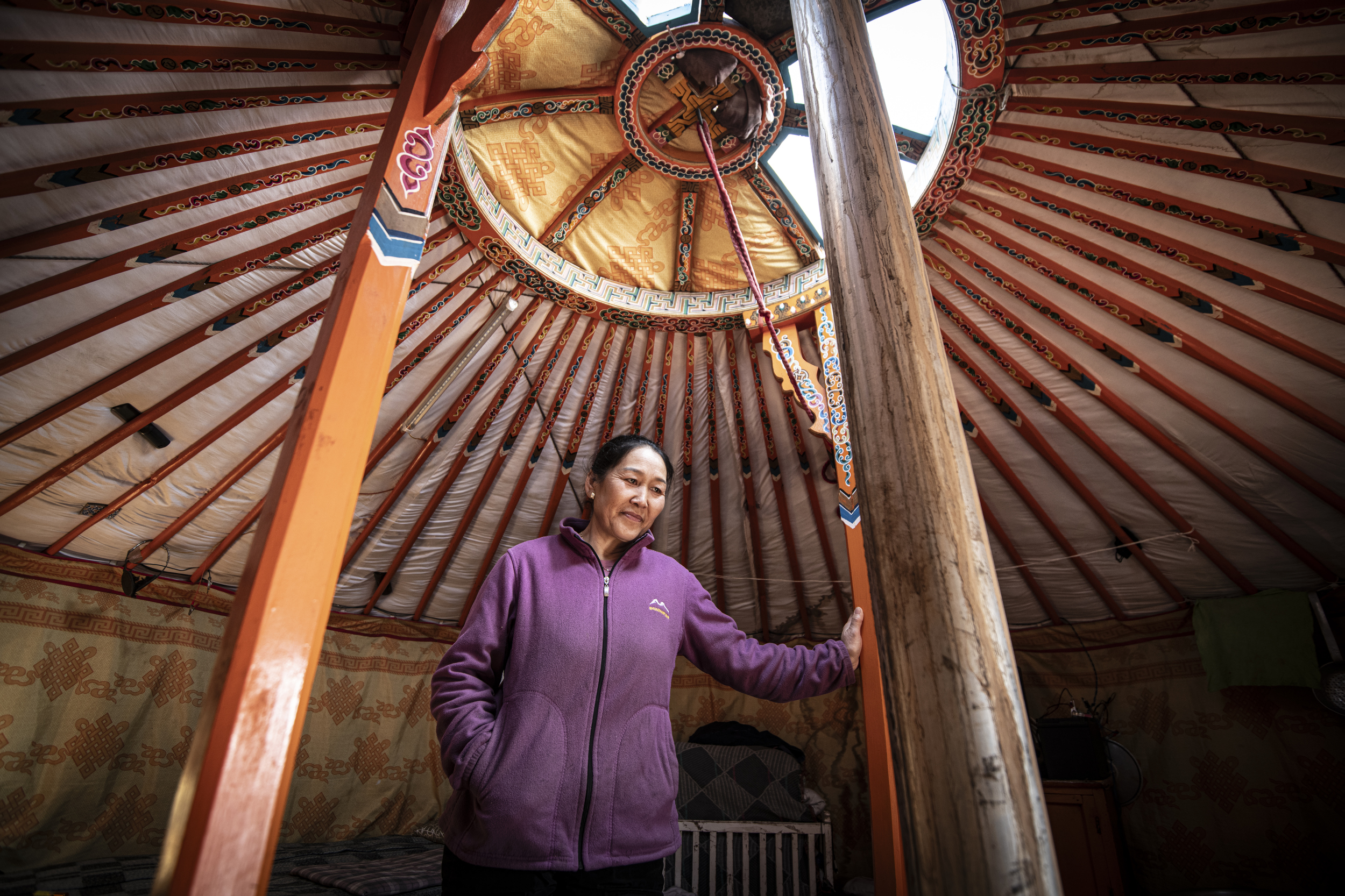
Undrakh Zav in her ger. “Sometimes the animals cry, and when they cry, I cry too.”
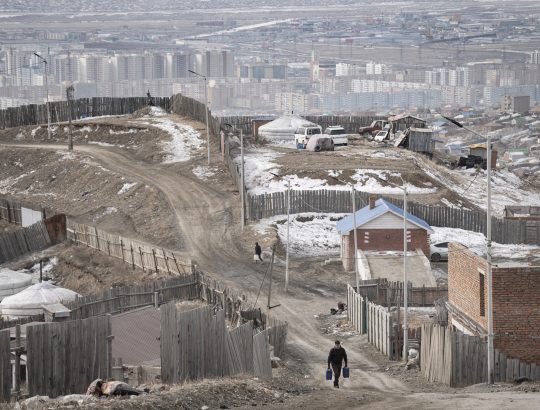

The “ger” district of Ulaanbaatar. Herders move to the city from the countryside when it is no longer possible for them to survive on the steppe.
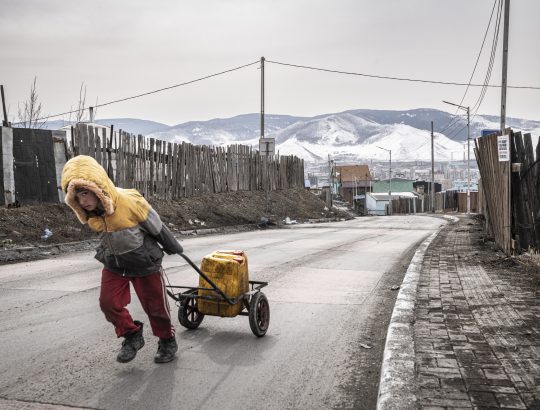
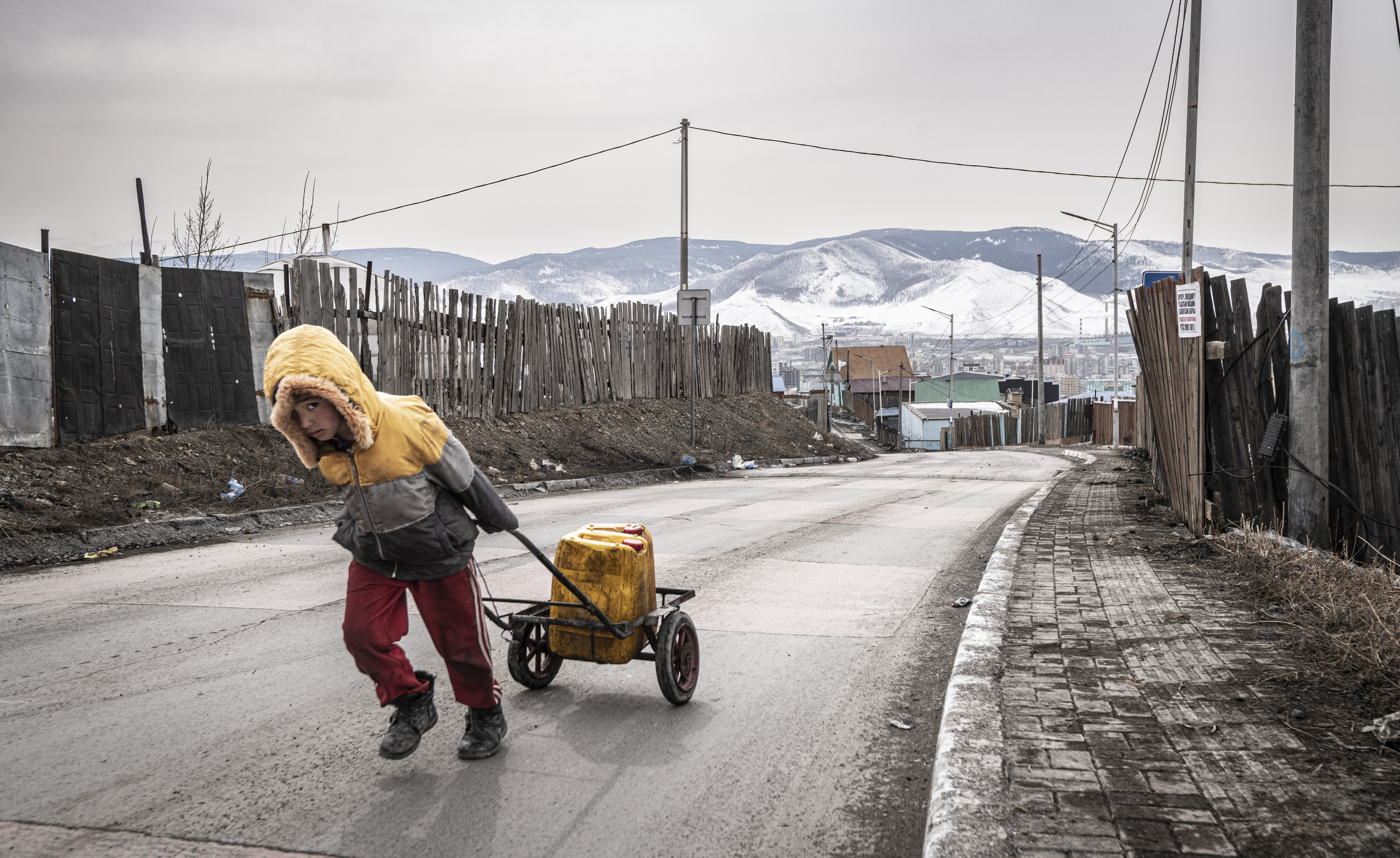
A boy delivers water in Ulaanbaatar ‘ger’ district, which houses herders who moved from the countryside after they could no longer survive on the steppe.