
Sudan’s forgotten famine
The Nuba mountains are a remote area of Sudan controlled by an indigenous rebel group known as the Sudan People’s Liberation Movement-North (SPLM-N). Some four million people are now sheltering in the mountains and hunger is everywhere you look.
The civil war in Sudan has been raging since April 2023, when violence erupted between Sudanese army chief General Abdel Farrah al-Burhan and his former deputy Mohamed Hamdan, the warlord better known as Hemedti, who leads the Rapid Support Forces (RSF) paramilitary group. With money and arms being funnelled to both sides by powers including the United Arab Emirates, Iran and Russia, violence has exploded – about 150,000 people have been killed and 12 million people have fled their homes in what the UN has called the “world’s worst humanitarian crisis”.
Famines like the one in the Nuba mountains are only declared in exceptional circumstances – it has only happened four times this century. In order for a hunger crisis to be classified as a famine, at least two people out of every 10,000 must be dying of outright starvation or the interaction of malnutrition and disease, according to the the Integrated Food Security Phase Classification (IPC), a UN-backed global hunger monitor that ranks areas for acute food insecurity on a five-tier scale.
On a dirt runway in Sudan’s Nuba mountains, women sift through sand searching for small nuggets of grain. Earlier, hundreds of sacks stuffed with maize, beans and salt were hurled from the cargo door of a low-flying ex-military transport plane, some of them splitting open as they hit the ground. Airdrops like this are a slender life line in a rugged and inhospitable region where famine has already been declared.
It’s not enough to meet the needs of those born here, let alone the hundreds of thousands who have been displaced from surrounding areas by the country’s civil war.
For the published story click here.
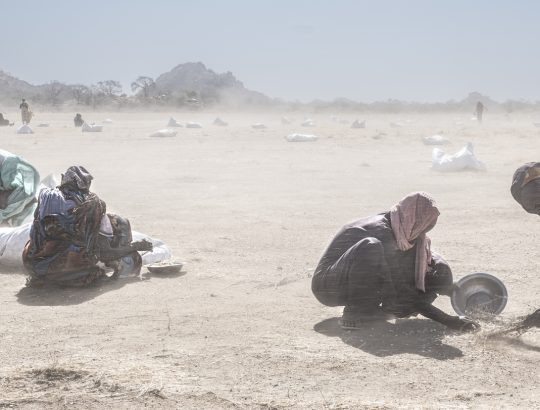

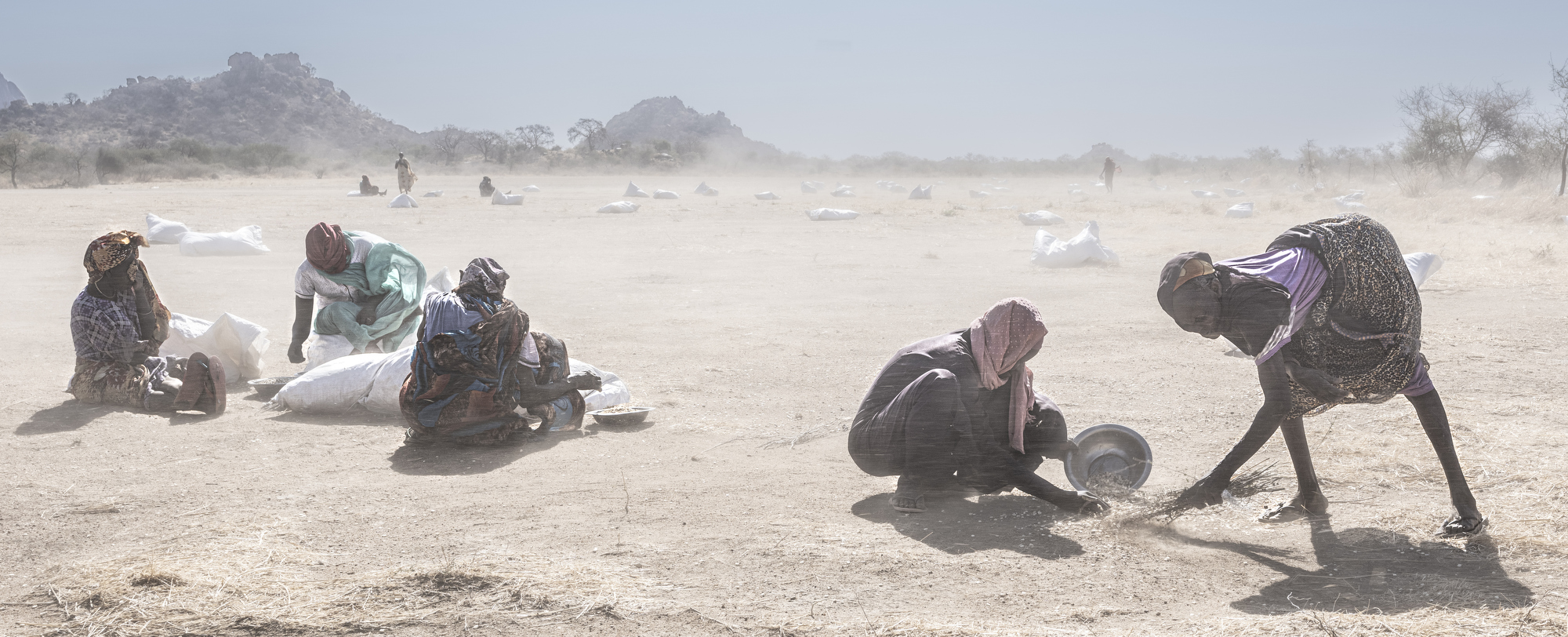
Some 50 IDP’s are paid to recover maize spilt when 50kg sacks burst during relief airdrops at Julud airstrip. They work in 40 degree heat and vicious sandstorms desperately trying to save every last grain.


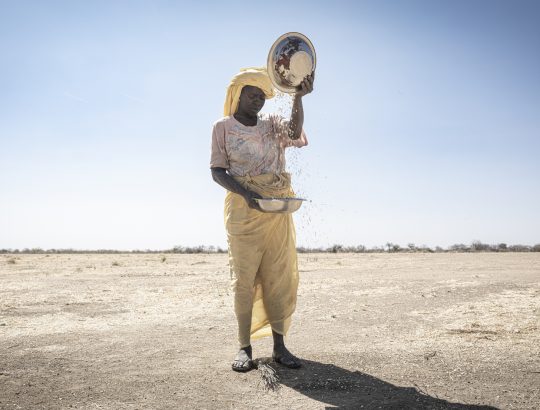
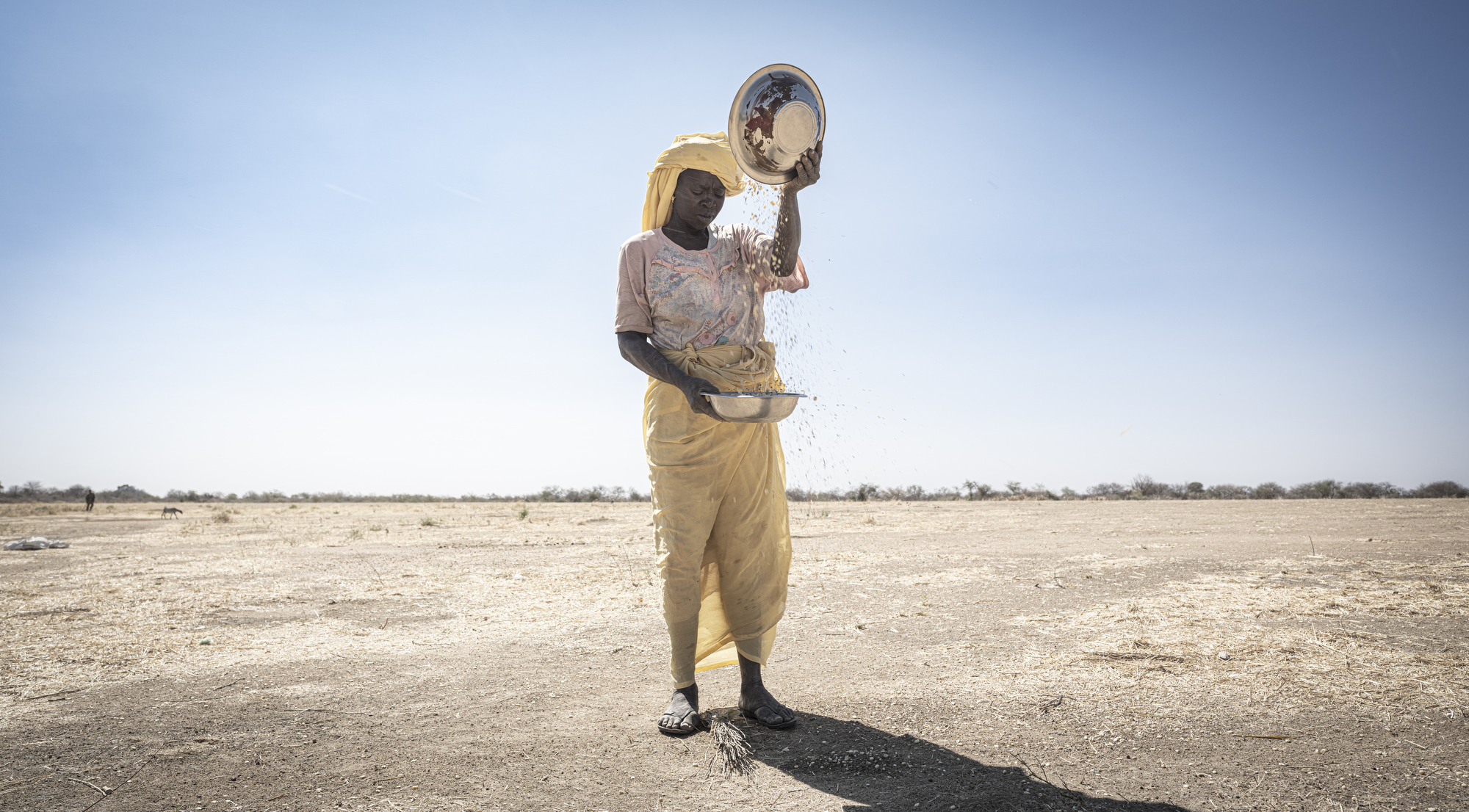
Some 50 IDP’s are paid to recover maize spilt when 50kg sacks burst during relief airdrops at Julud airstrip. They work in 40 degree heat and vicious sandstorms desperately trying to save every last grain. Here women attempt to separate the grains from the dirt by winnowing.
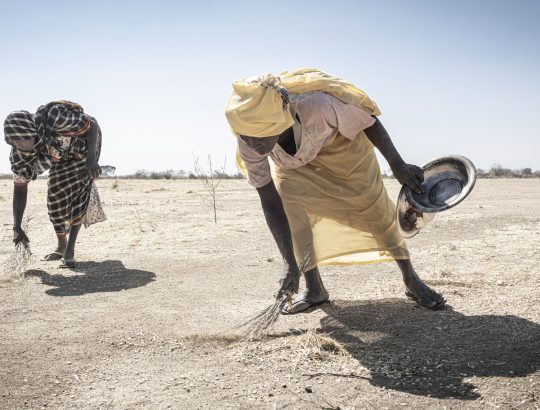
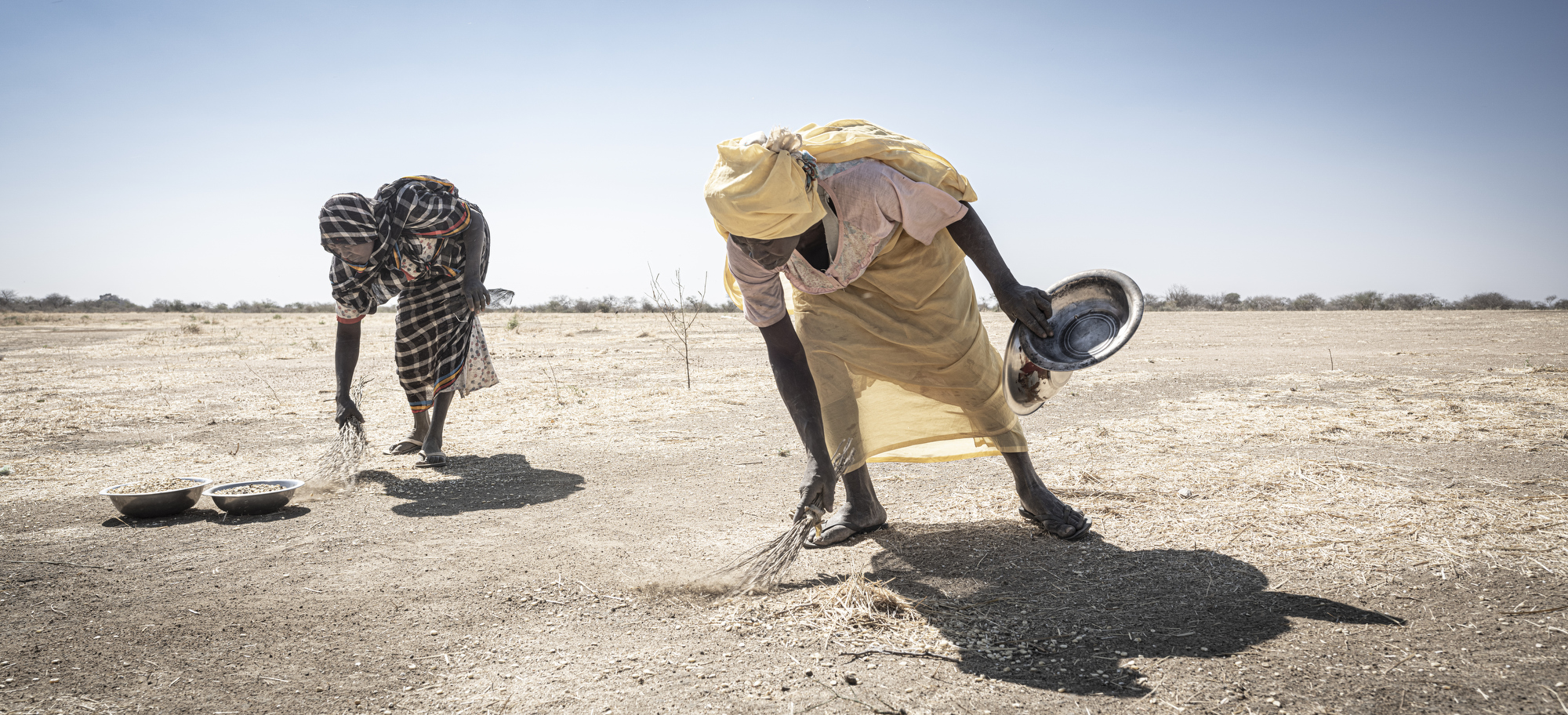
Some 50 IDP’s are paid to recover maize spilt when 50kg sacks burst during relief airdrops at Julud airstrip. They work in 40 degree heat and vicious sandstorms desperately trying to save every last grain. Here women attempt to separate the grains from the dirt by winnowing.
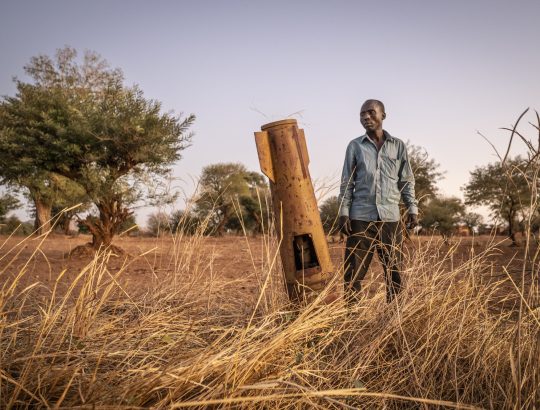
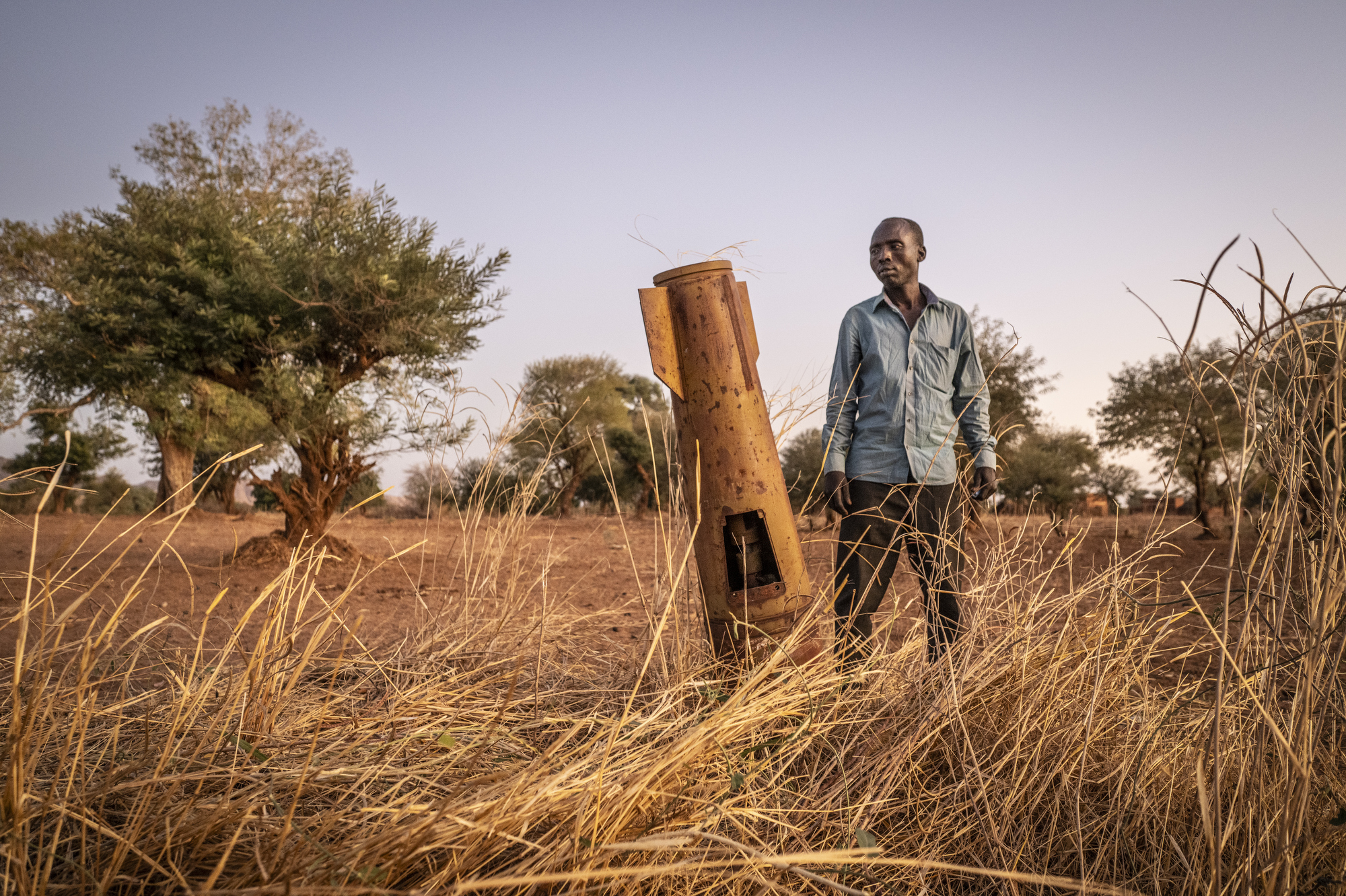
At Reivi hospital in Kauda two unexploded bombs remain outside and one unexploded inside. The Sudanese Armed Forces waged a sustained aerial campaign against the Nuba until the recent conflict with the RSF diverted their attention.
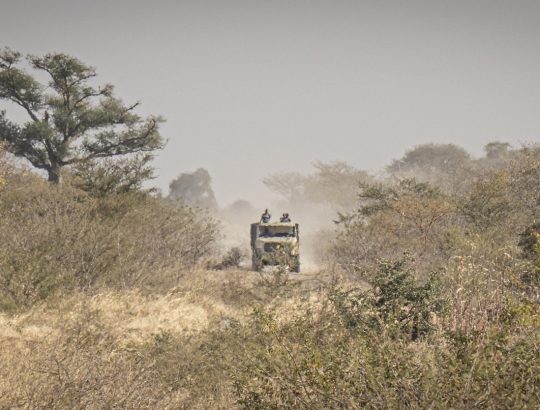
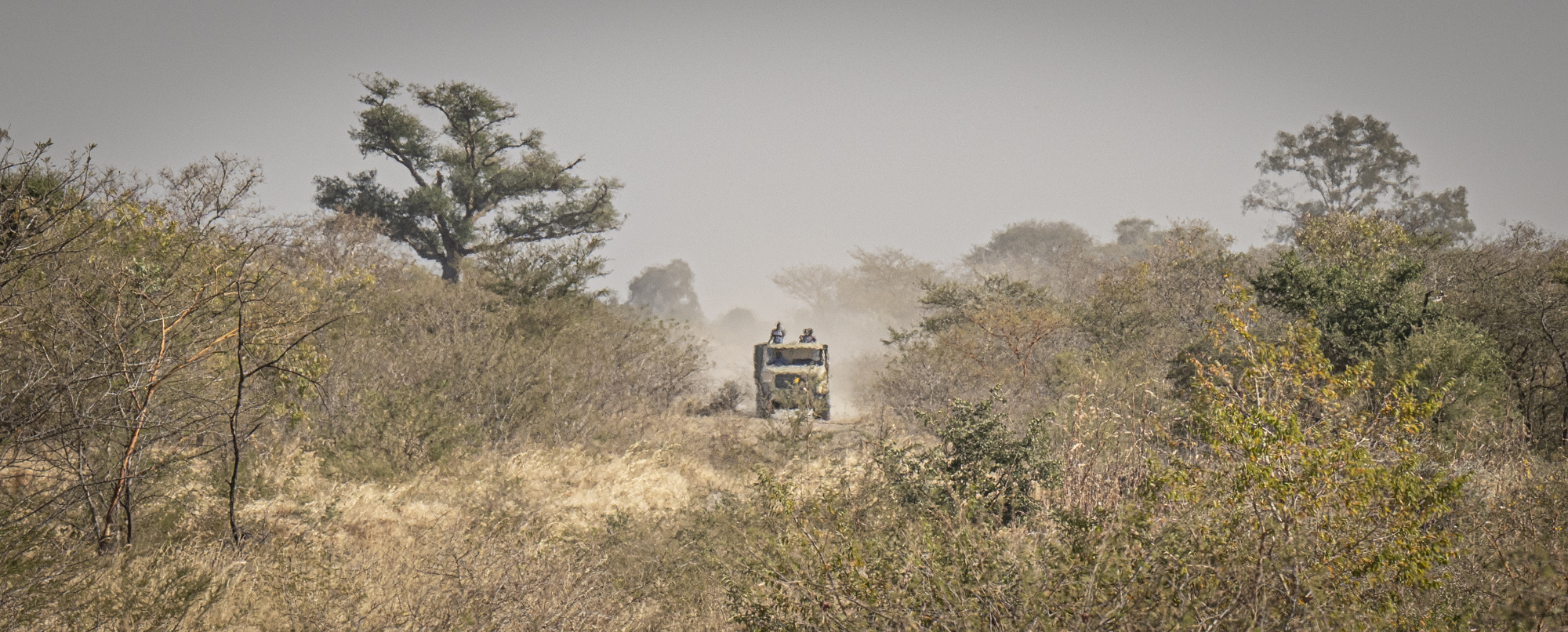
A truck makes its way over severely compromised roads in Western Jebel. During the rainy season the roads become almost impassable preventing any meaningful aid delivery for several months.
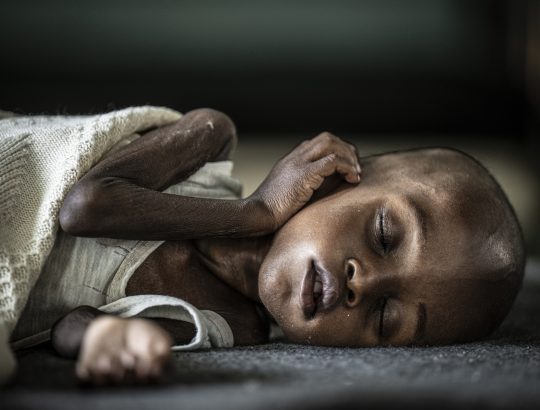
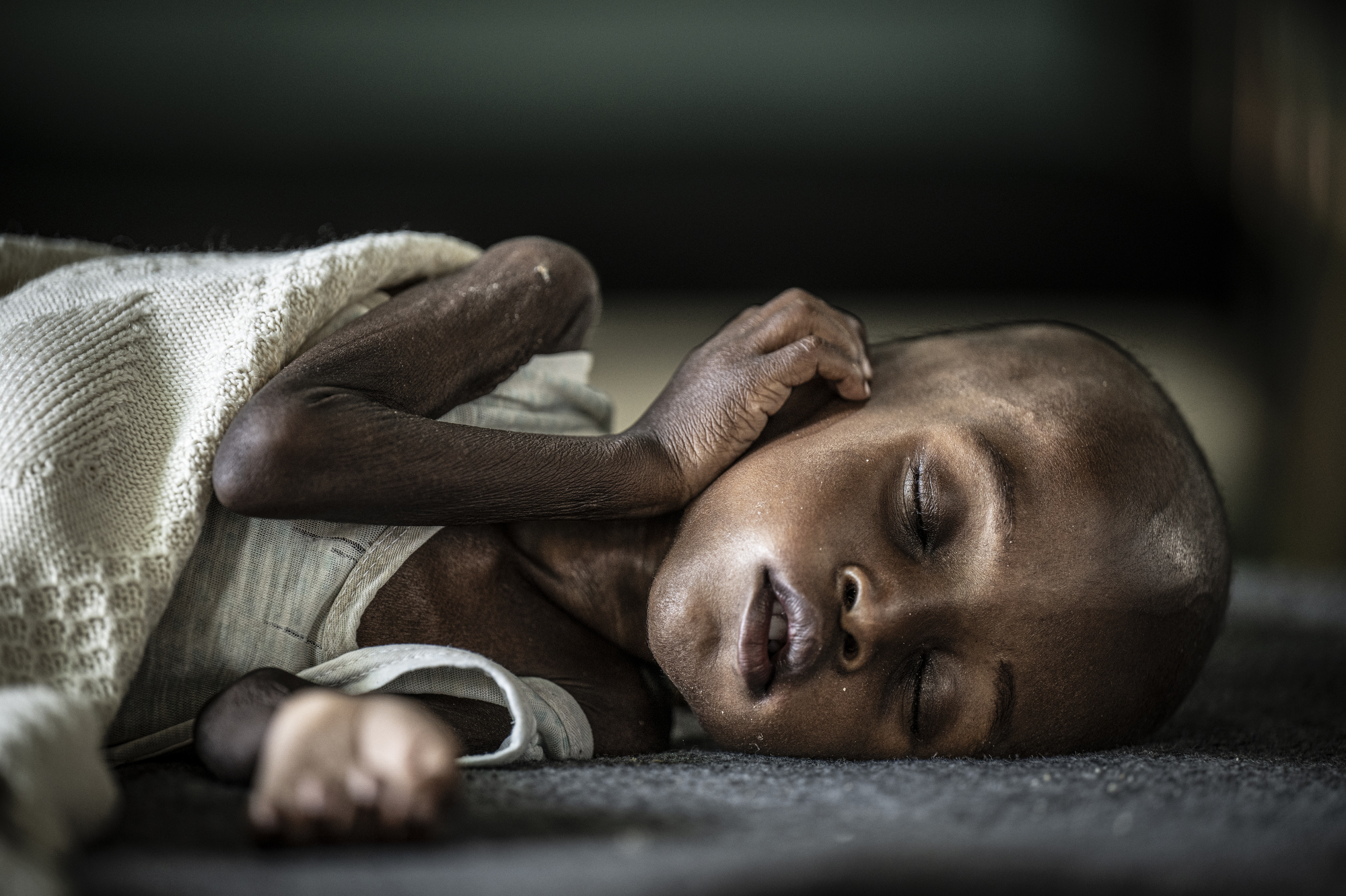
Tujur hospital, Dalami county. IDP’s from Kortana where nutrition programmes have not been working for some time. Salah, 2 years old is severely malnourished and is suspected of having Tuberculosis.
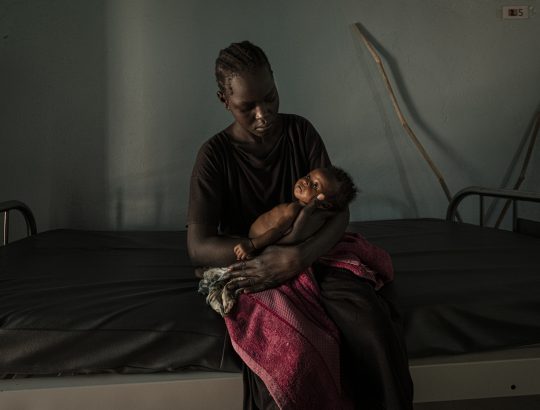
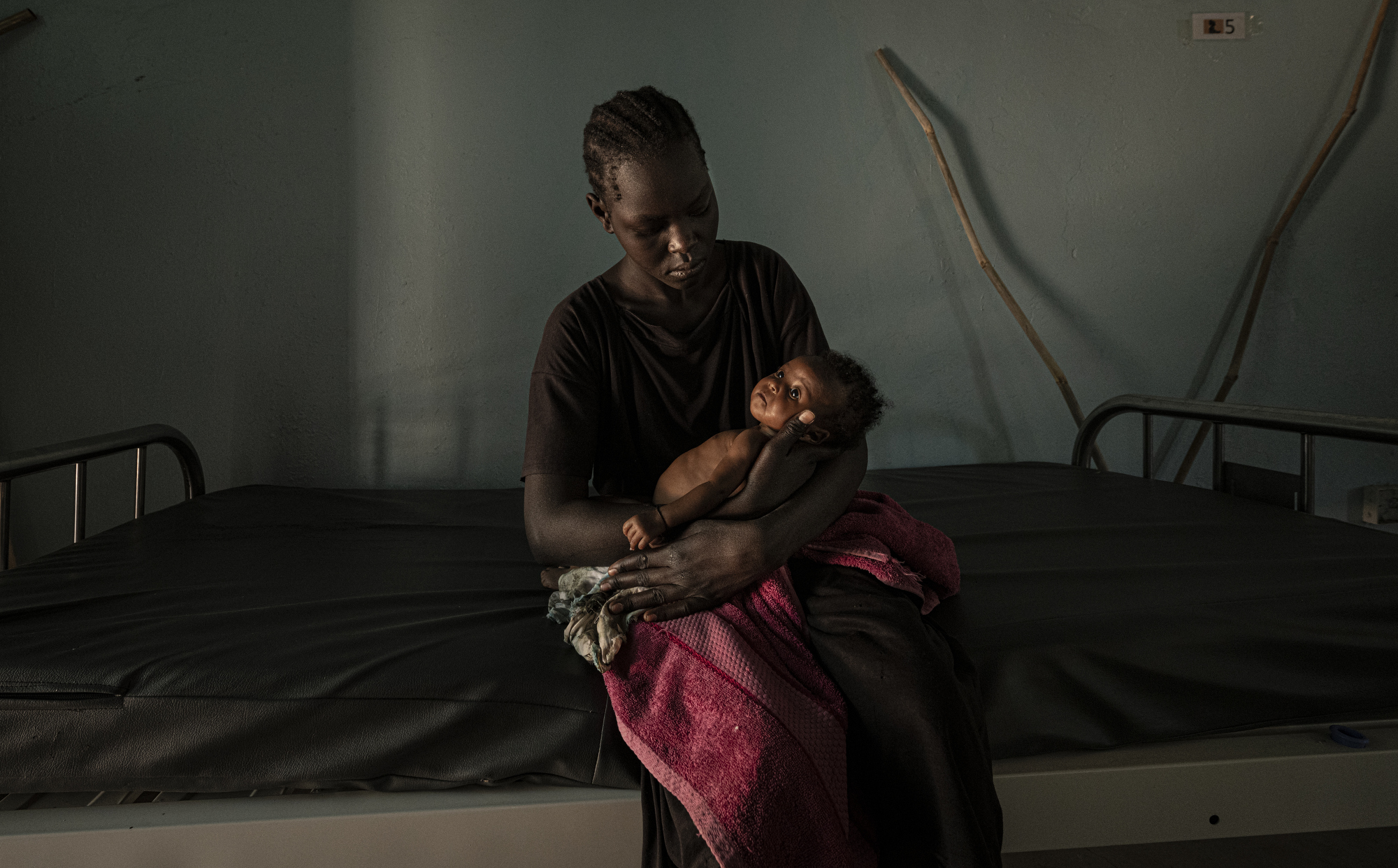
Tujur hospital, Dalami county. Zainab, 3 months old. with Wuhaiba Hamed, his 14 year-old sister.
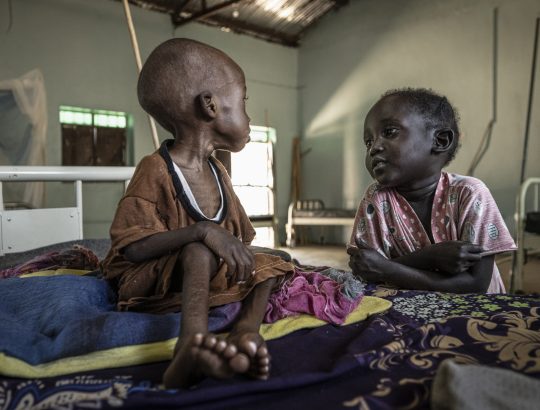
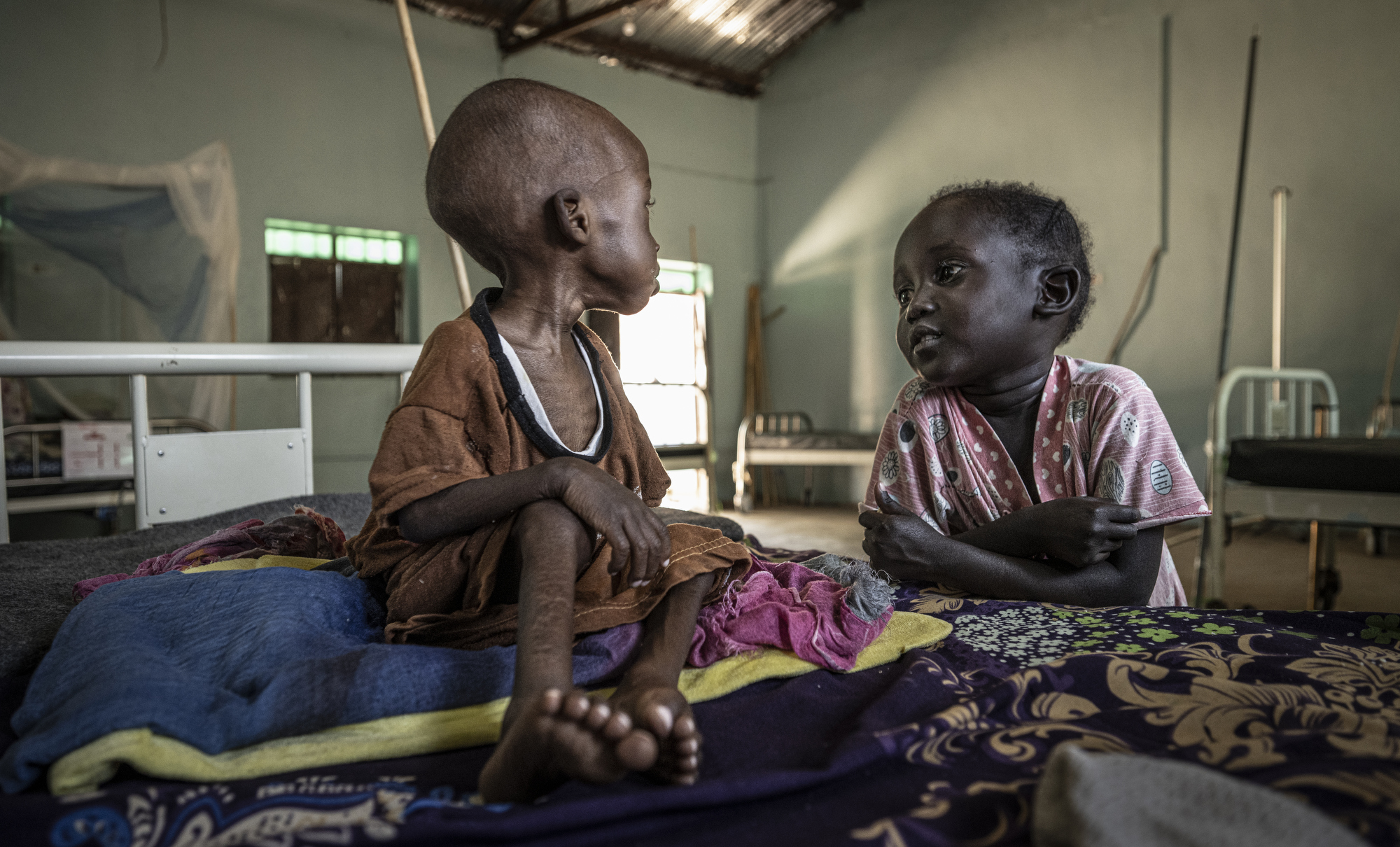
Tujur hospital, Dalami county. IDP’s from Kortana where nutrition programmes have not been working for some time. Salah, 2 years old, and his sister Shahad Assad. Salah is severely malnourished and is suspected of having Tuberculosis.
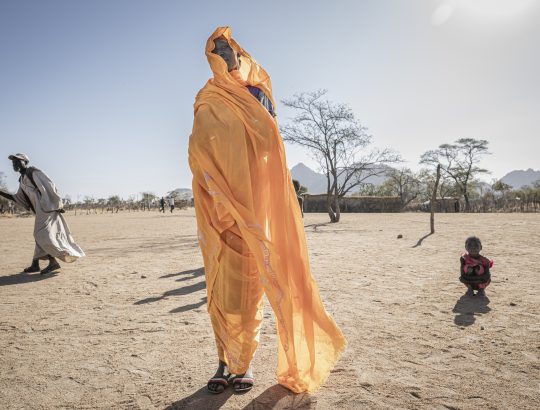
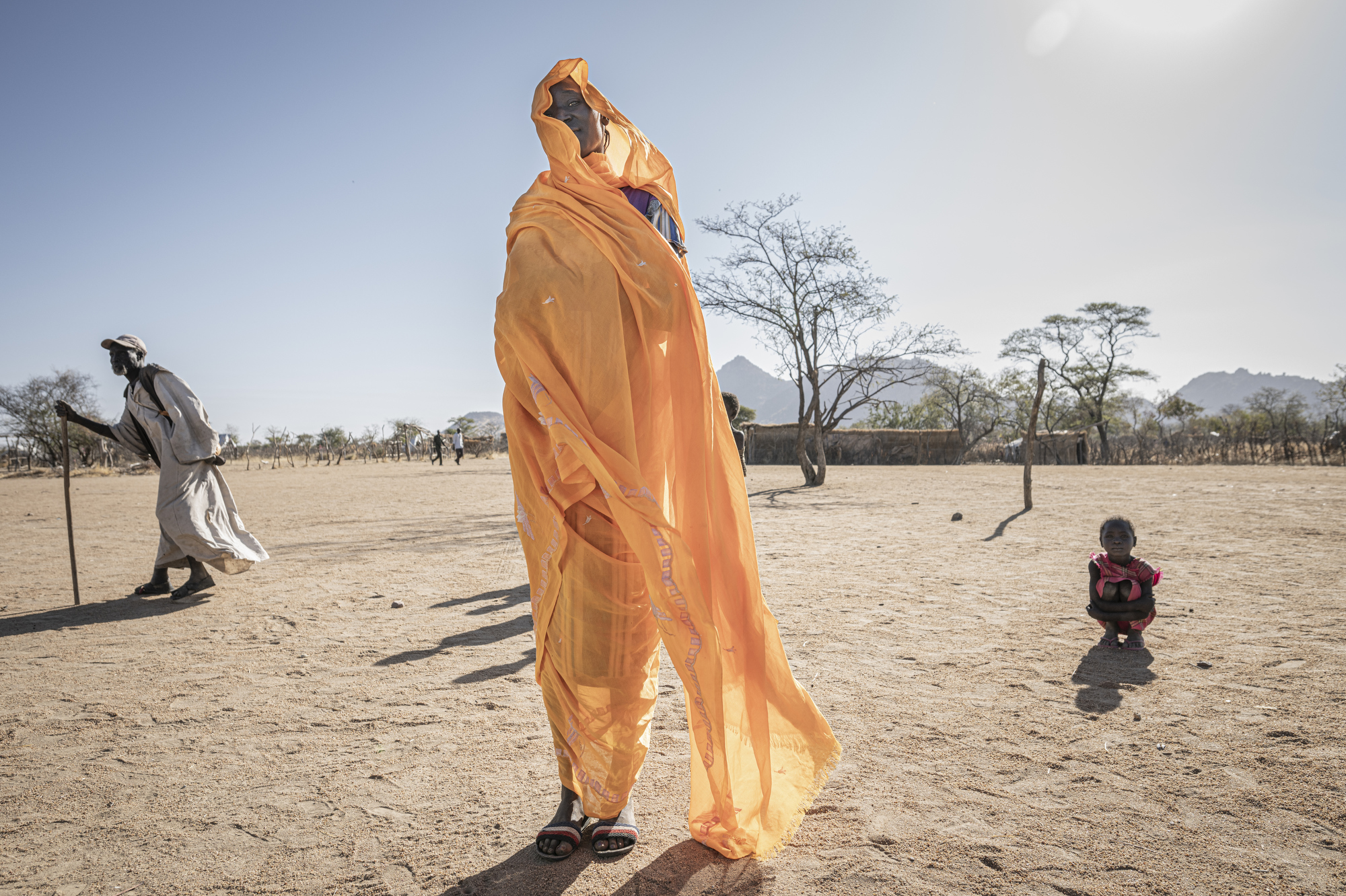
Al-Hilou IDP camp outside of the village of Tongouli in Dalami county. Since August around 5,200 people have arrived at the camp at a rate of about 100 a week.
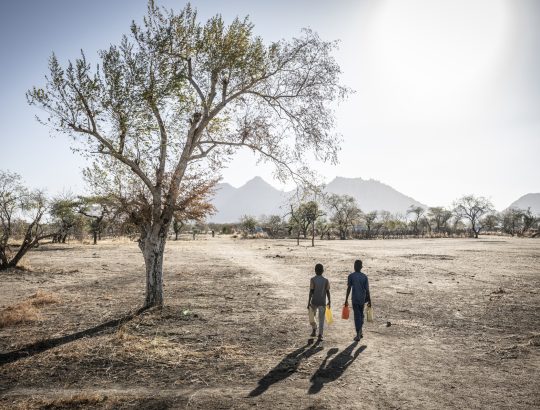
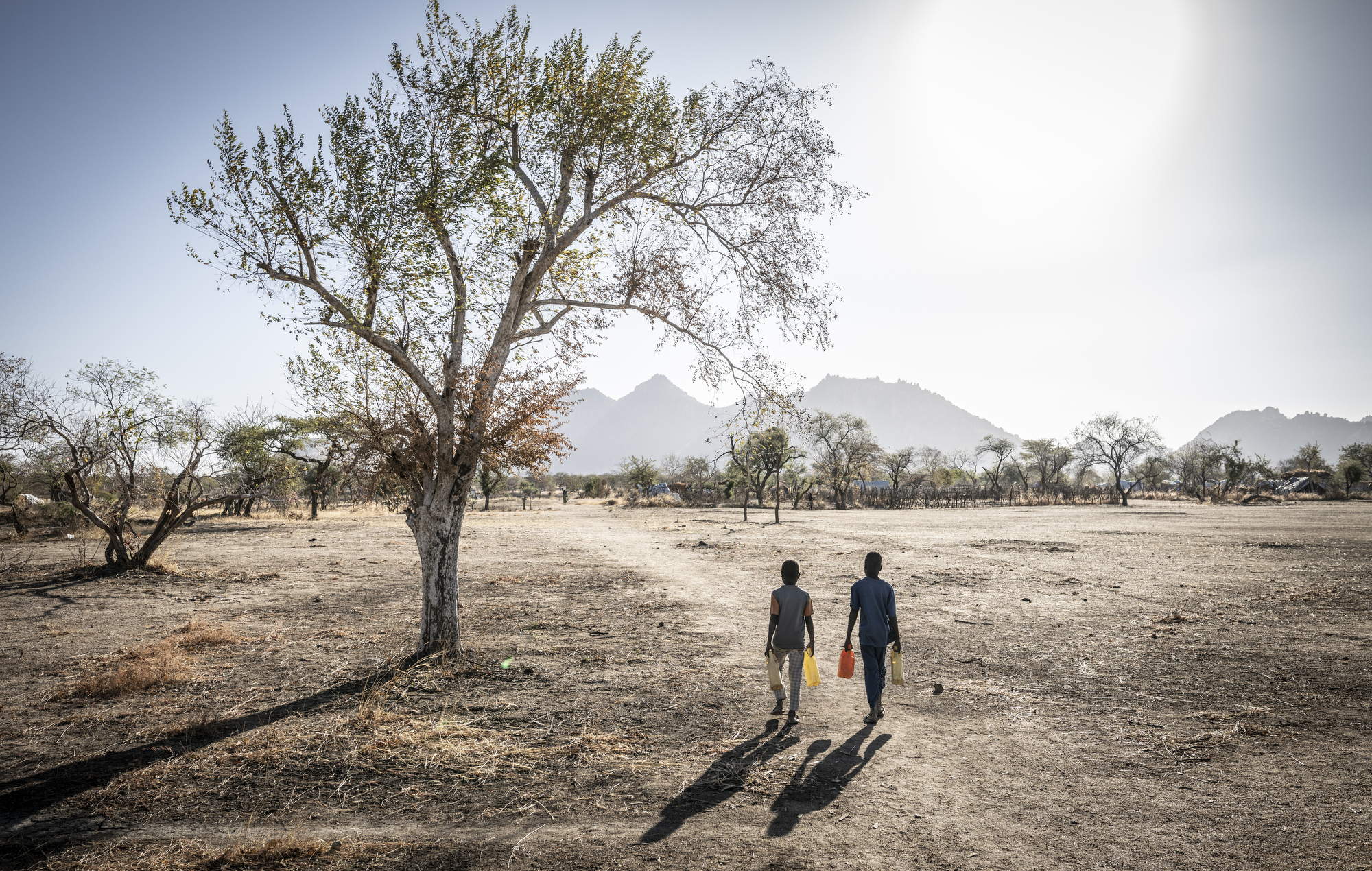
Children walk for up to two hours to get water at dawn in Al-Hilou IDP camp outside of the village of Tongouli in Dalami county.
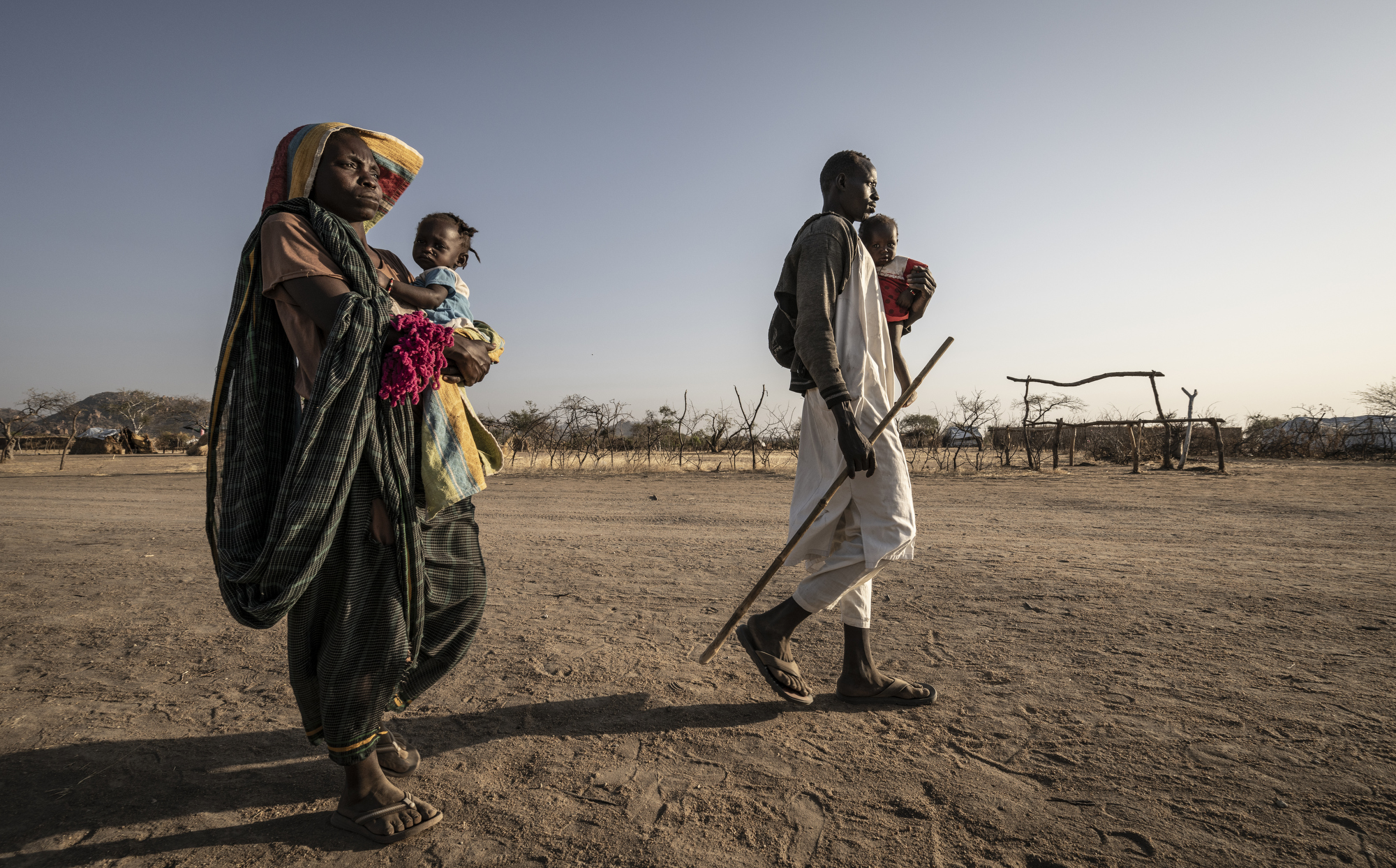
A family walk from a nutrition centre back to Al-Hilou IDP camp outside of the village of Tongouli in Dalami county. Since August around 5,200 people have arrived a t the rate of about 100 a week.
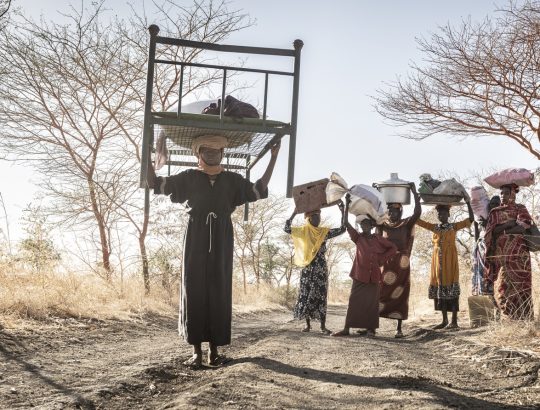
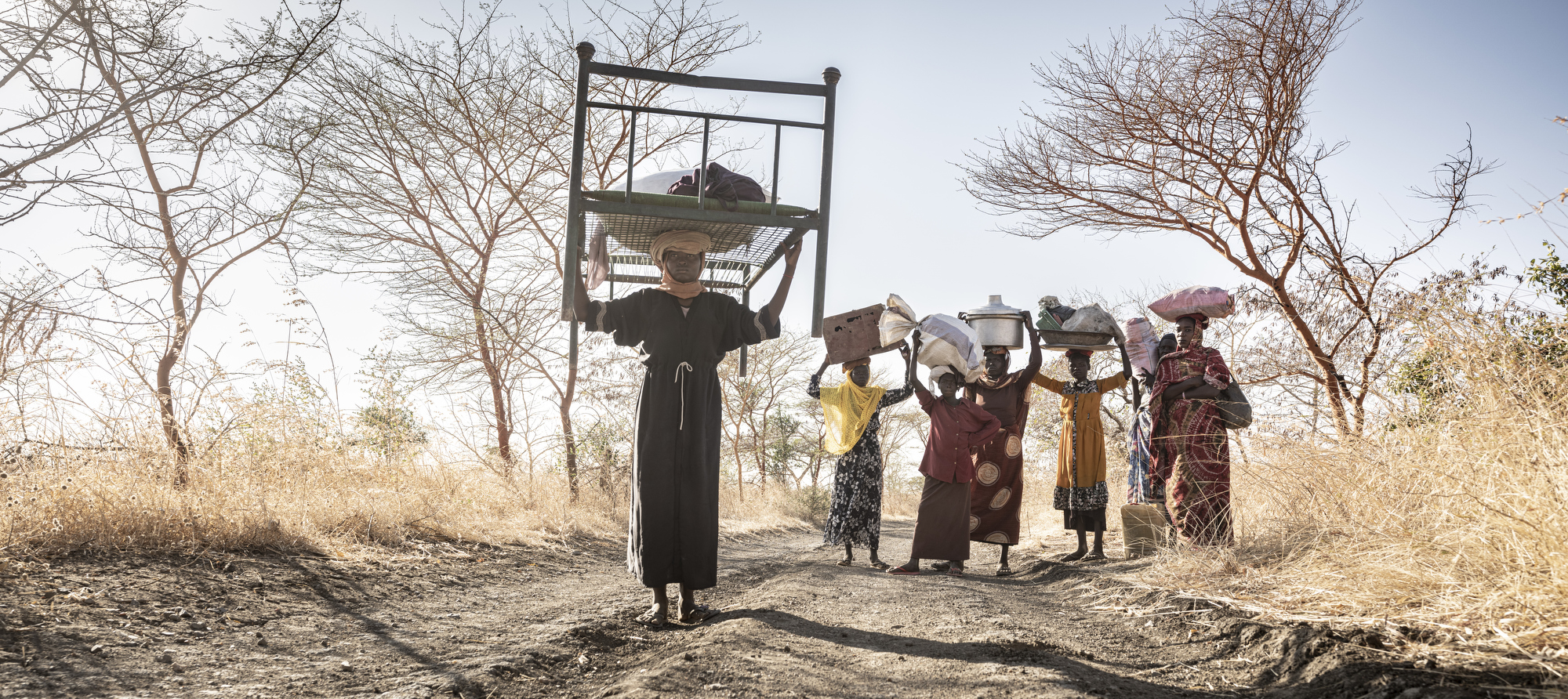
Amna, 16 years old, carries a bed on her head with 2 heavy bags on filled with kitchen utensils. She and her family are half way through a 2 day walk to relative safety following clashes in Habila.
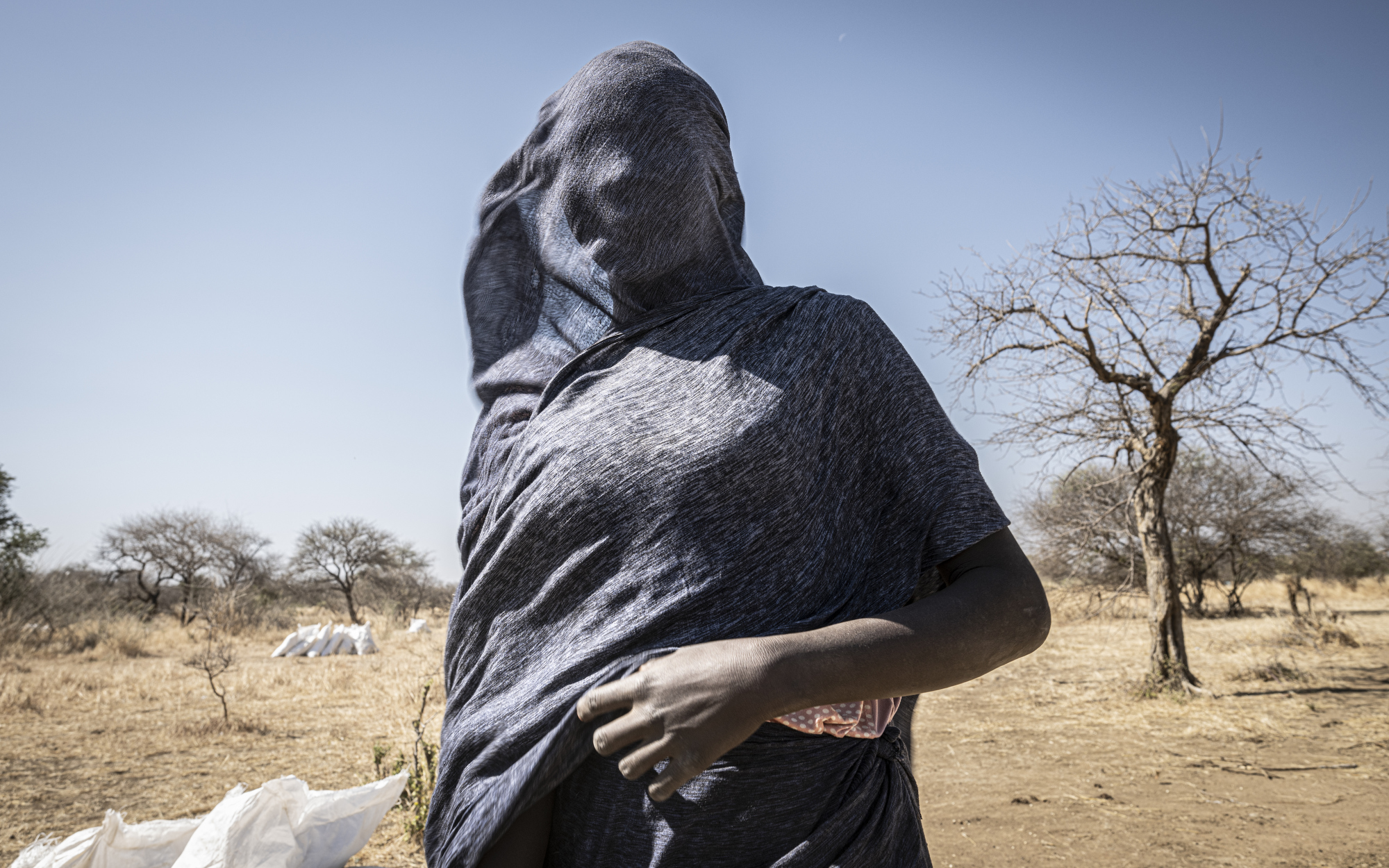
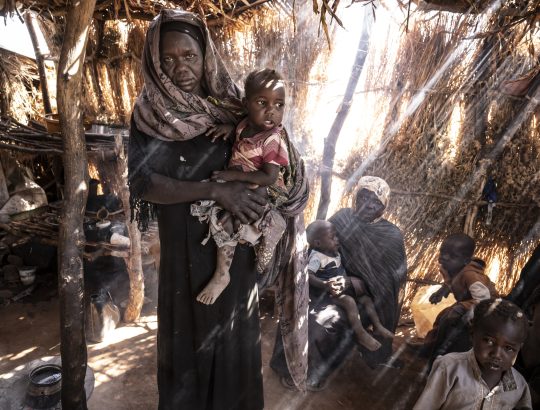
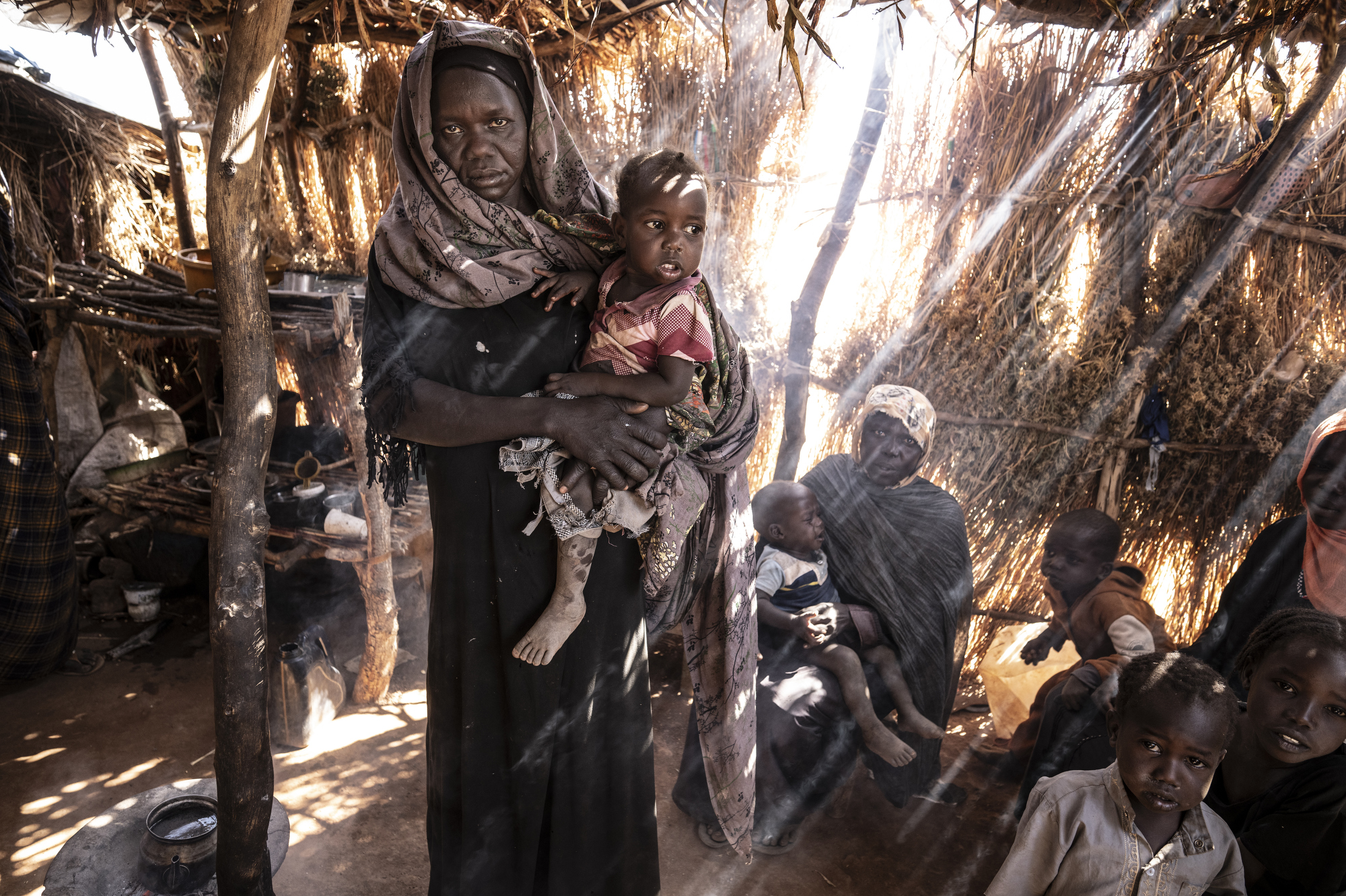
Co-wives Asha Hammeo and Fatna Rahed have 19 children between them. They have been living in the Hajr Al-Jawad IDP camp since a RSF attack on Habila town.
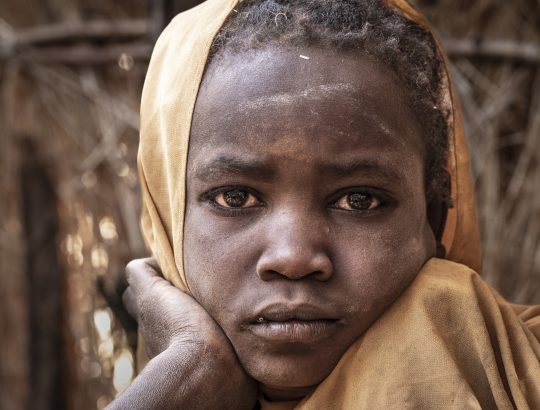
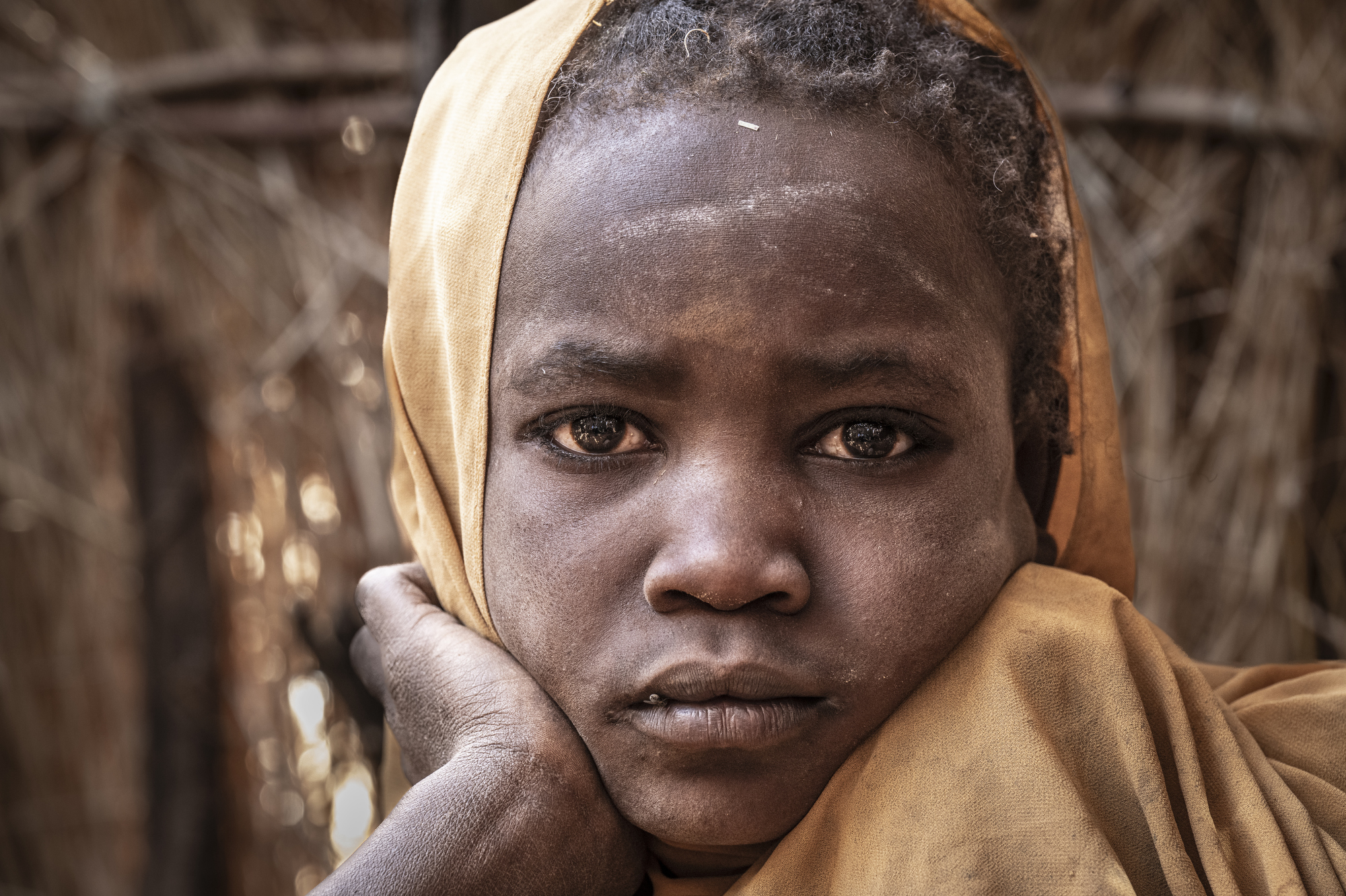
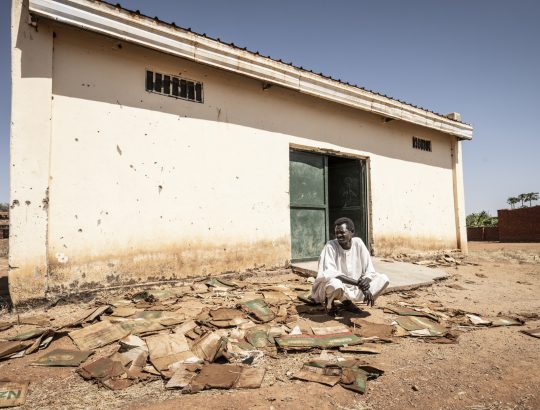
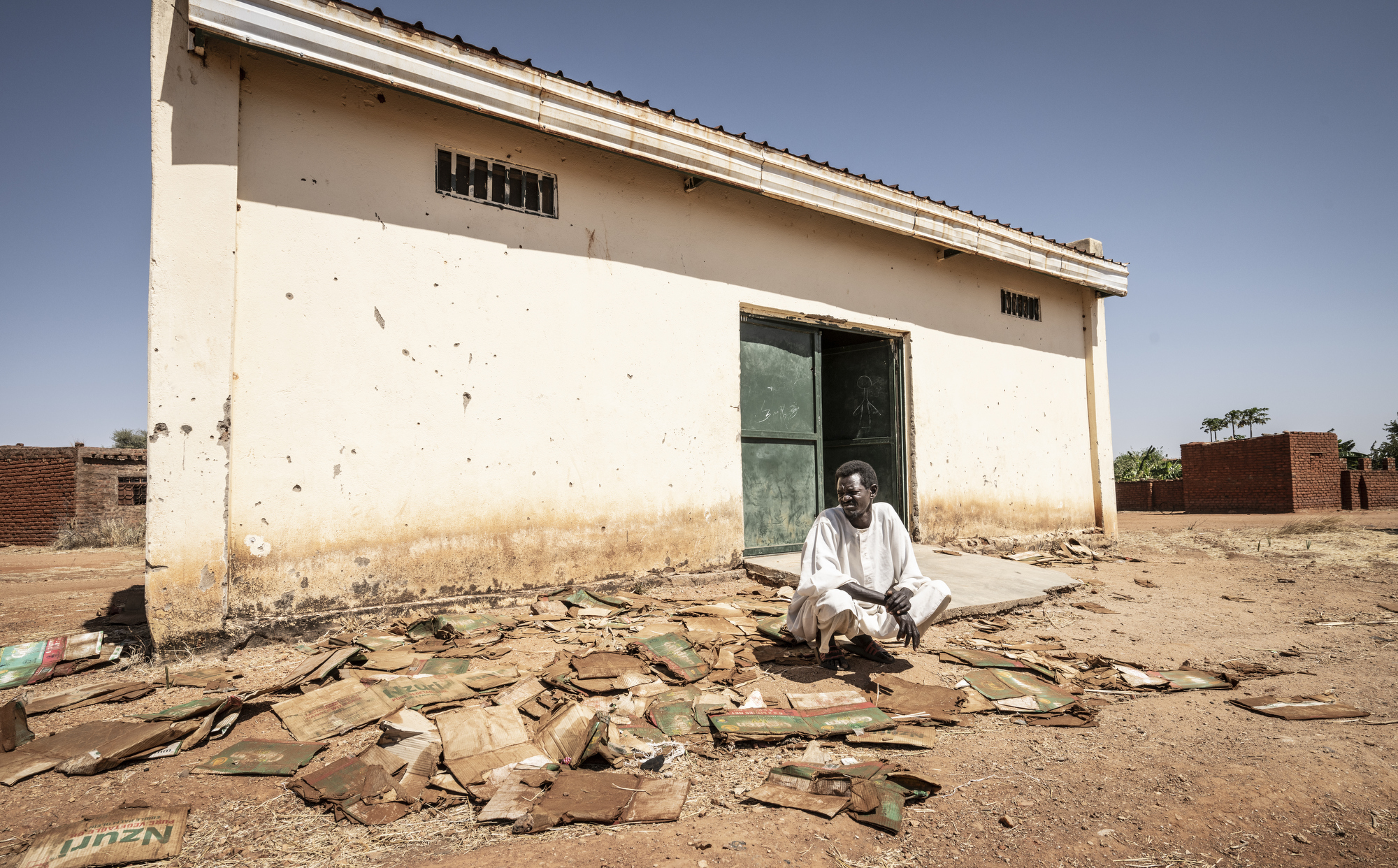
Security guard Ajalay Mohammed outside the NGO store looted by SAF (Sudanese Armed Forces) at Hajr Al-Jawad. Provisions destined for the nearby IDP camps were stolen or destroyed.