
Nigeria’s ‘wildfire of insecurity’
Anka, a town in north-west Nigeria’s Zamfara state, is a place ravaged by hunger and rendered inaccessible in some areas due to violent insecurity. Rahila and Bashirya are among some 5,000 people sheltering in the local Emir’s abandoned palace, which has hundreds of tents in its derelict grounds.
“We moved here because our home was no longer safe,” said Bashirya, 20-years-old. “My husband now works as a bricklayer. Sometimes he gets no work and just waits in the town. We can’t eat on those days.” He earns just 500 naira a day – about 25p – enough to buy a handful of dry spaghetti.
Despite its vast oil wealth, Nigeria, Africa’s most populous country, is experiencing one of the highest levels of food insecurity in the world. According to UN data, some 32 million Nigerians are facing “crisis” levels of hunger – 14 per cent of its 235m-strong population.
It raises difficult questions for the country’s leaders and for global development more generally. How can an economic powerhouse like Nigeria be struggling to feed and adequately care for so many people? What is preventing the very substantial economic gains of the last 30 years from trickling down?
For the published story click here.
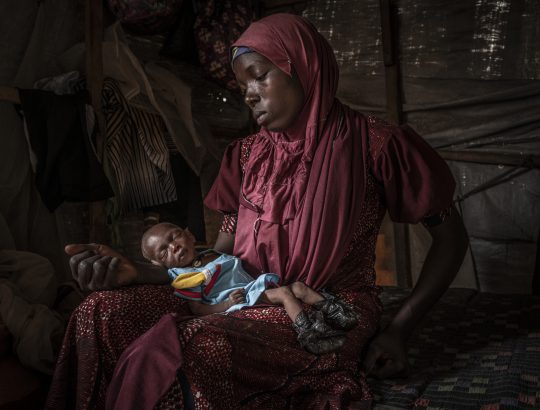

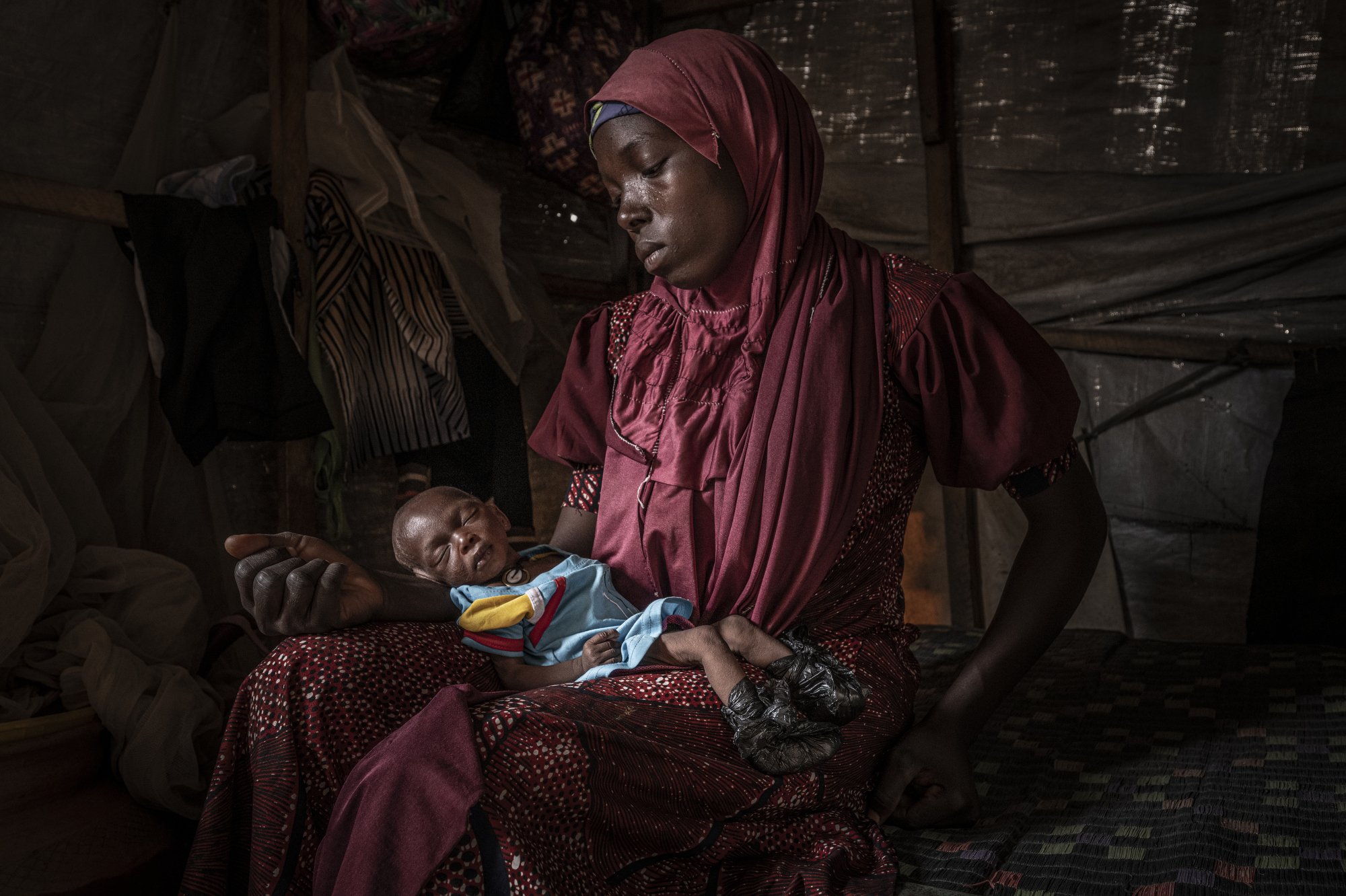
Bashirya Murtala, 20, with her two-month-old baby Rahila.


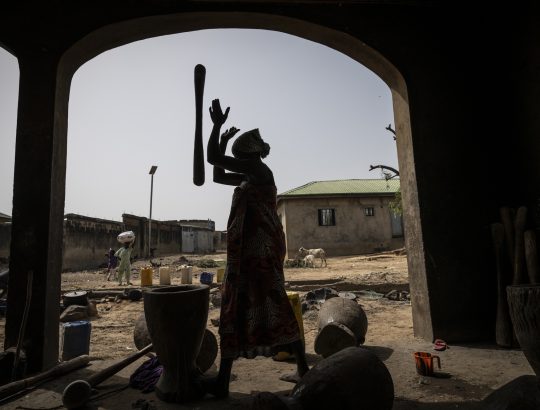
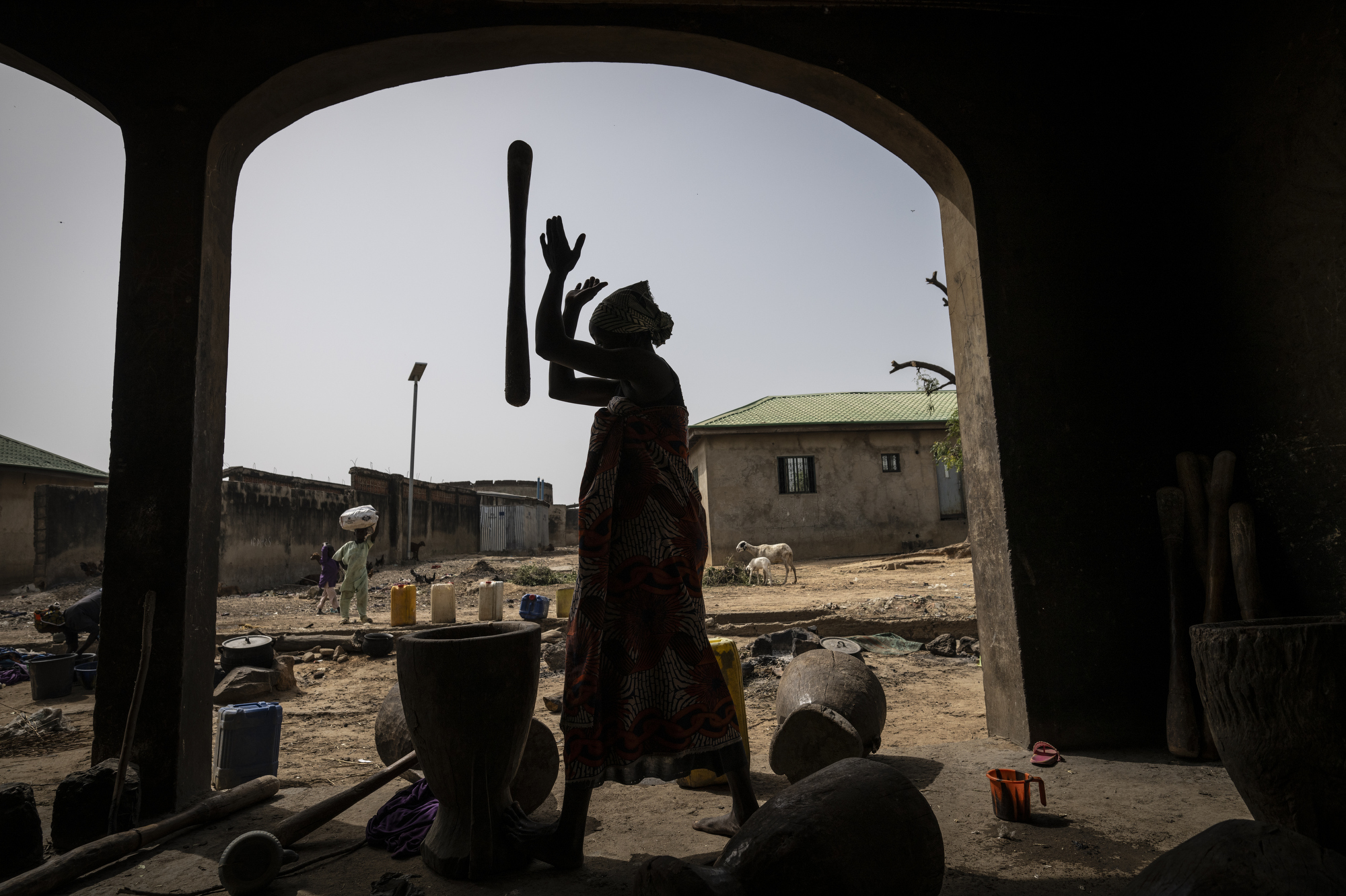
Entire farming communities have been displaced by banditry and violence.


Soldiers patrol trying and keep the ongoing conflict under control.
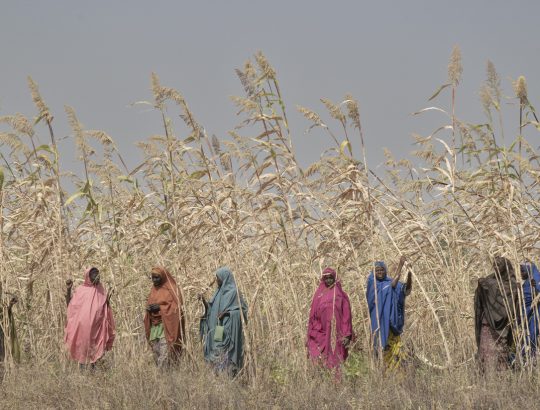
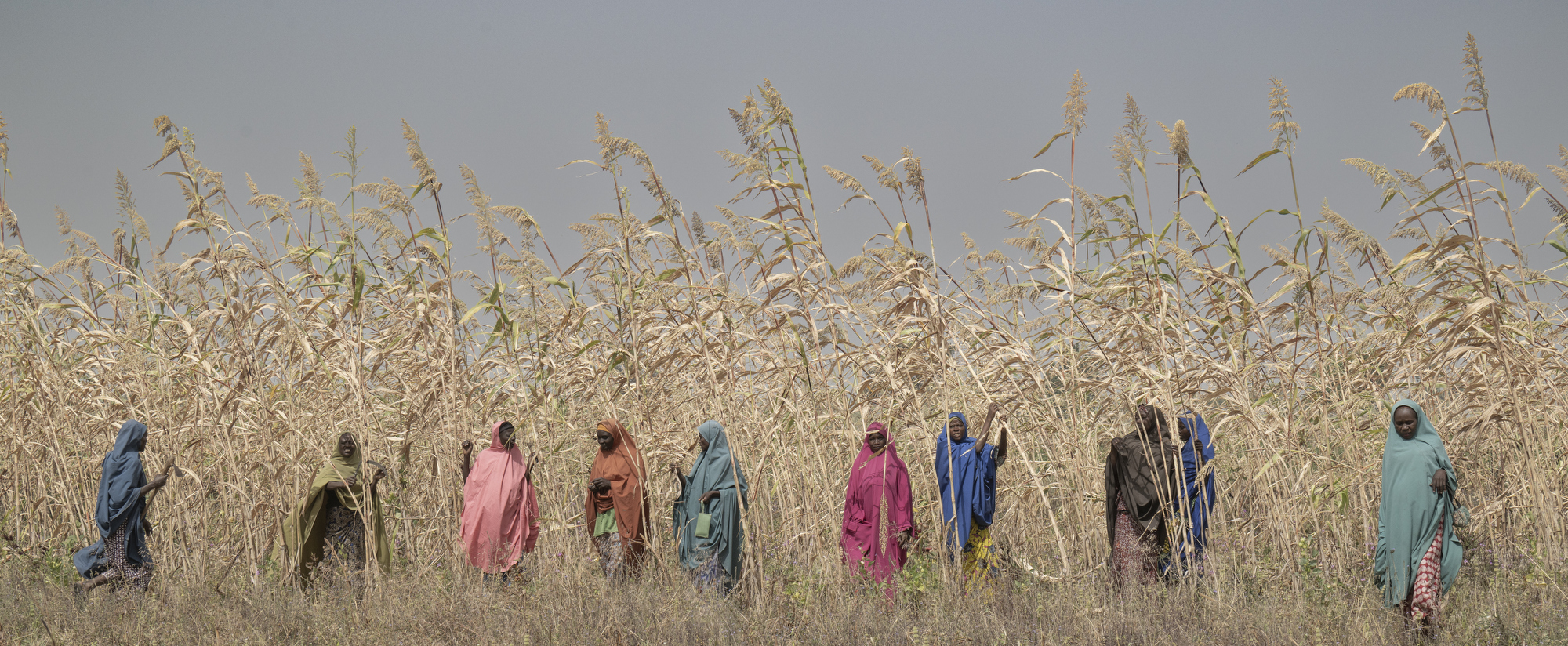
Women tend maize and beans in Talata Mafara, Zamfara state.
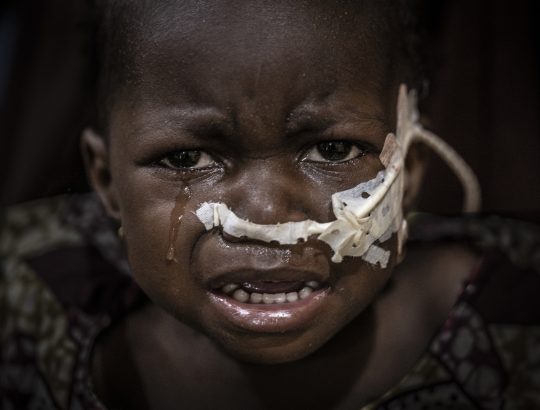
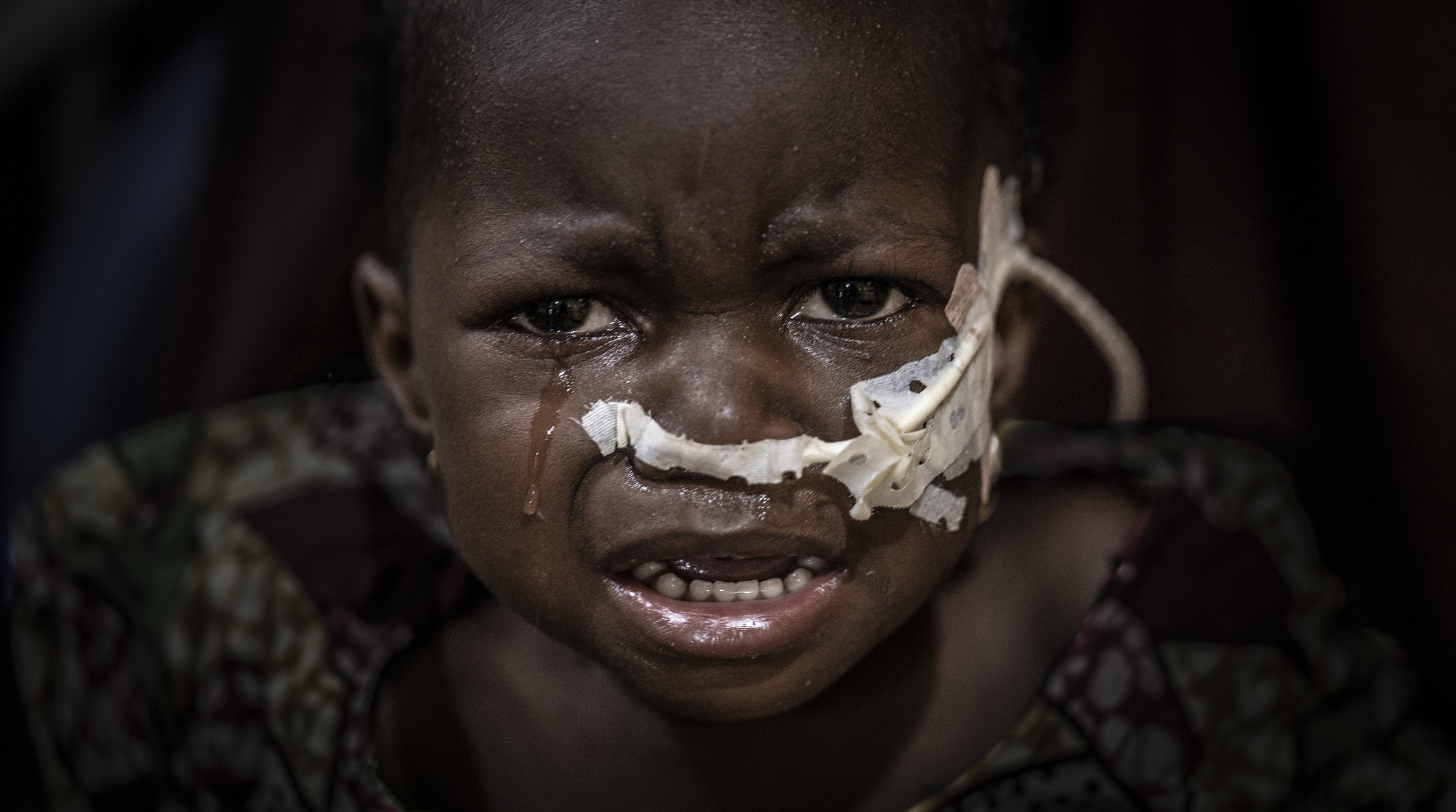
A child receives nutrition supplements through a tube at a WFP-supported centre in Sokoto.
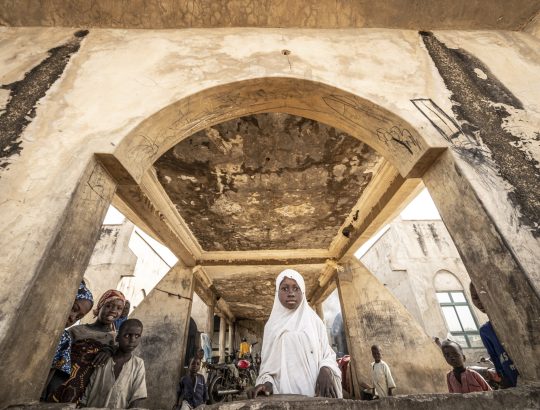
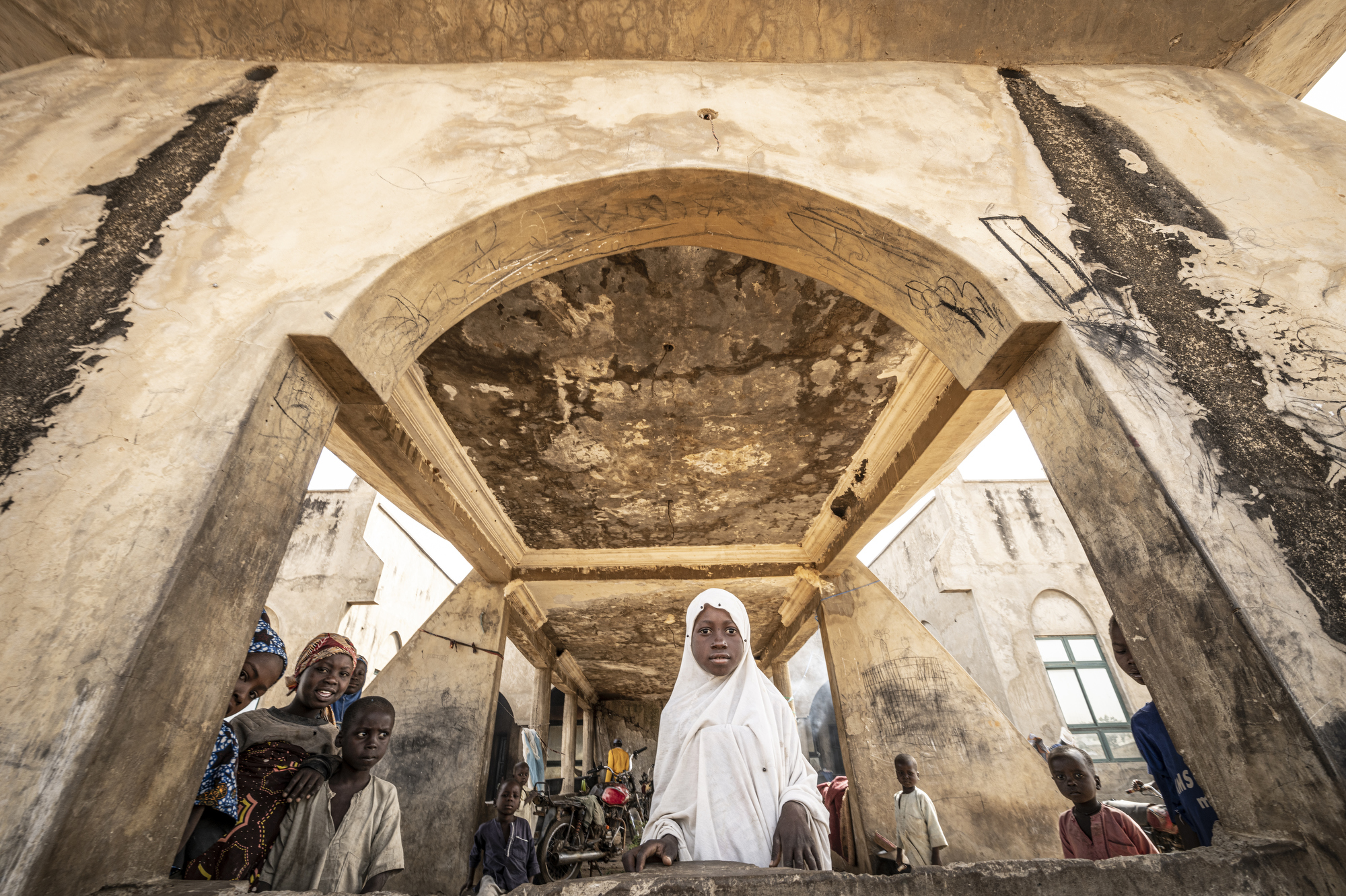
‘Emir’s Palace’ in Anka, north-western Zamfara state.
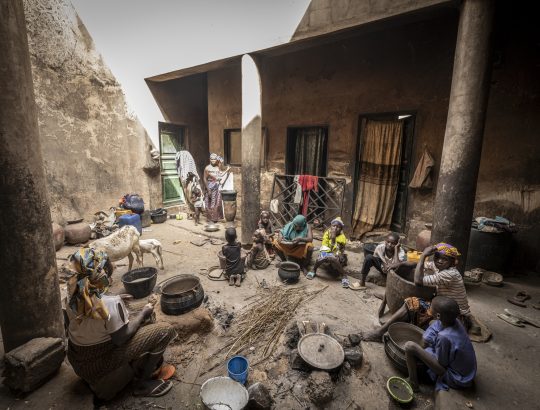
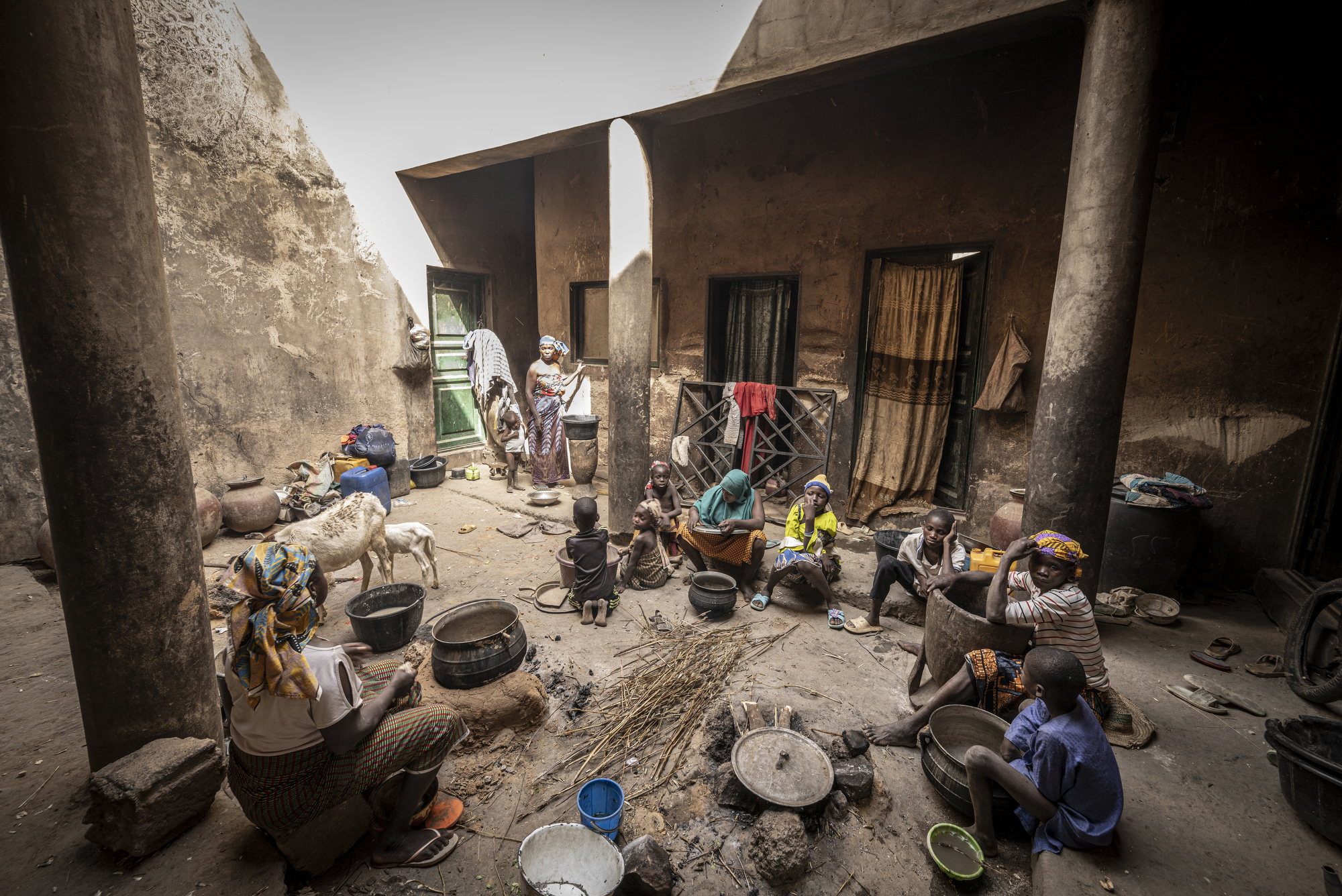
‘Emir’s Palace’ in Anka, north-western Zamfara state.
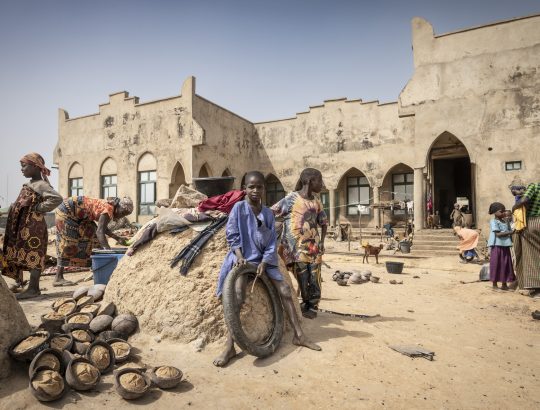
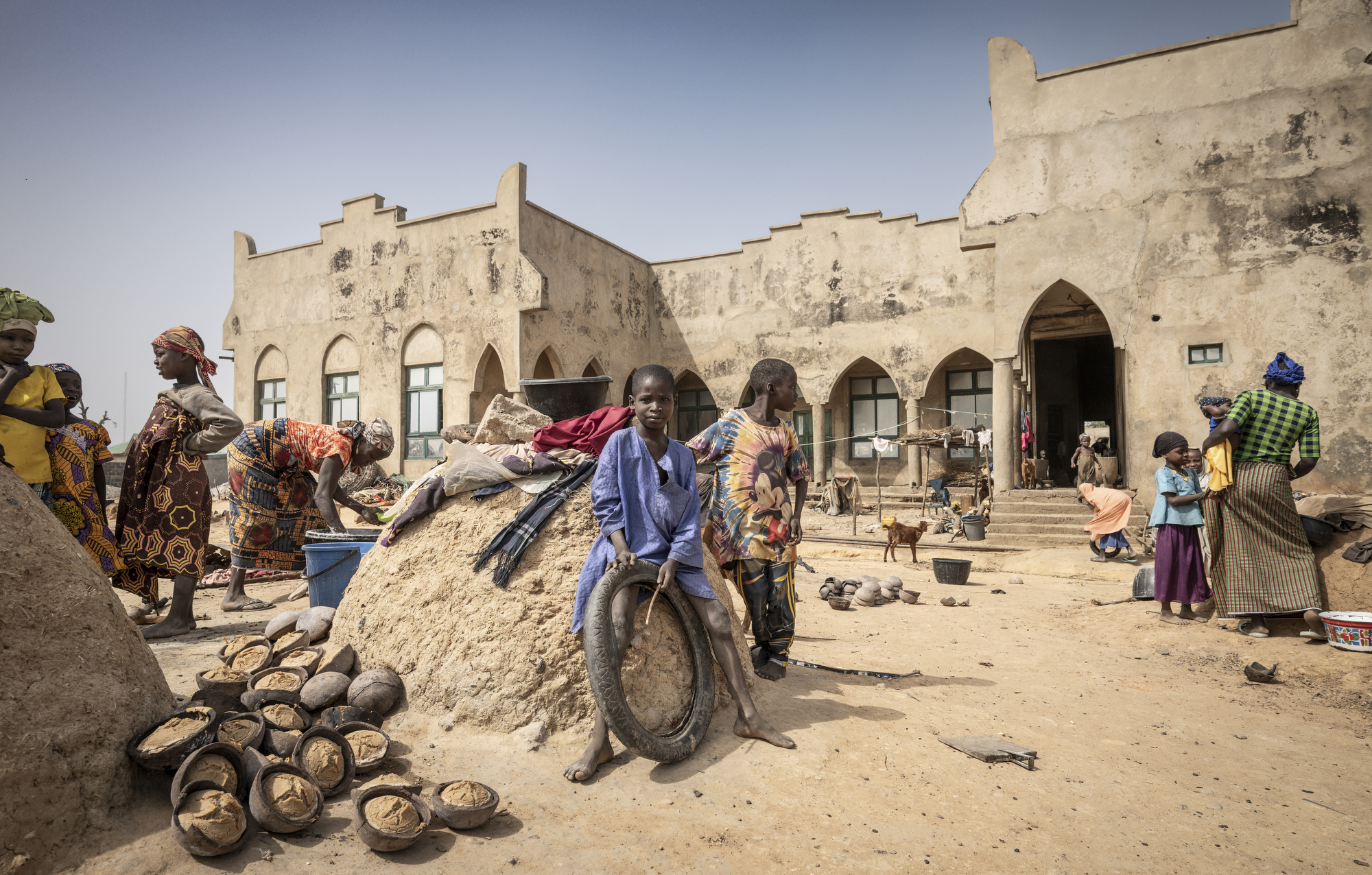
Thousands of displaced people are sheltering in the grounds of the local Emir’s abandoned palace.
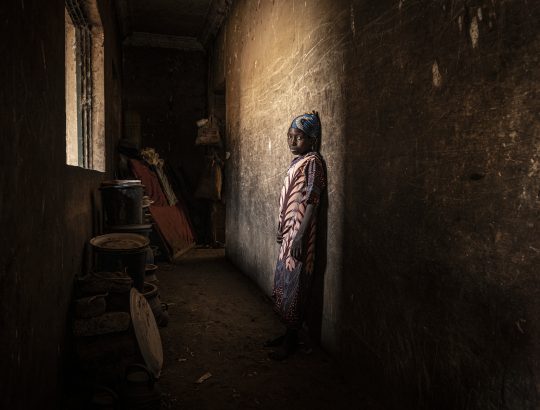
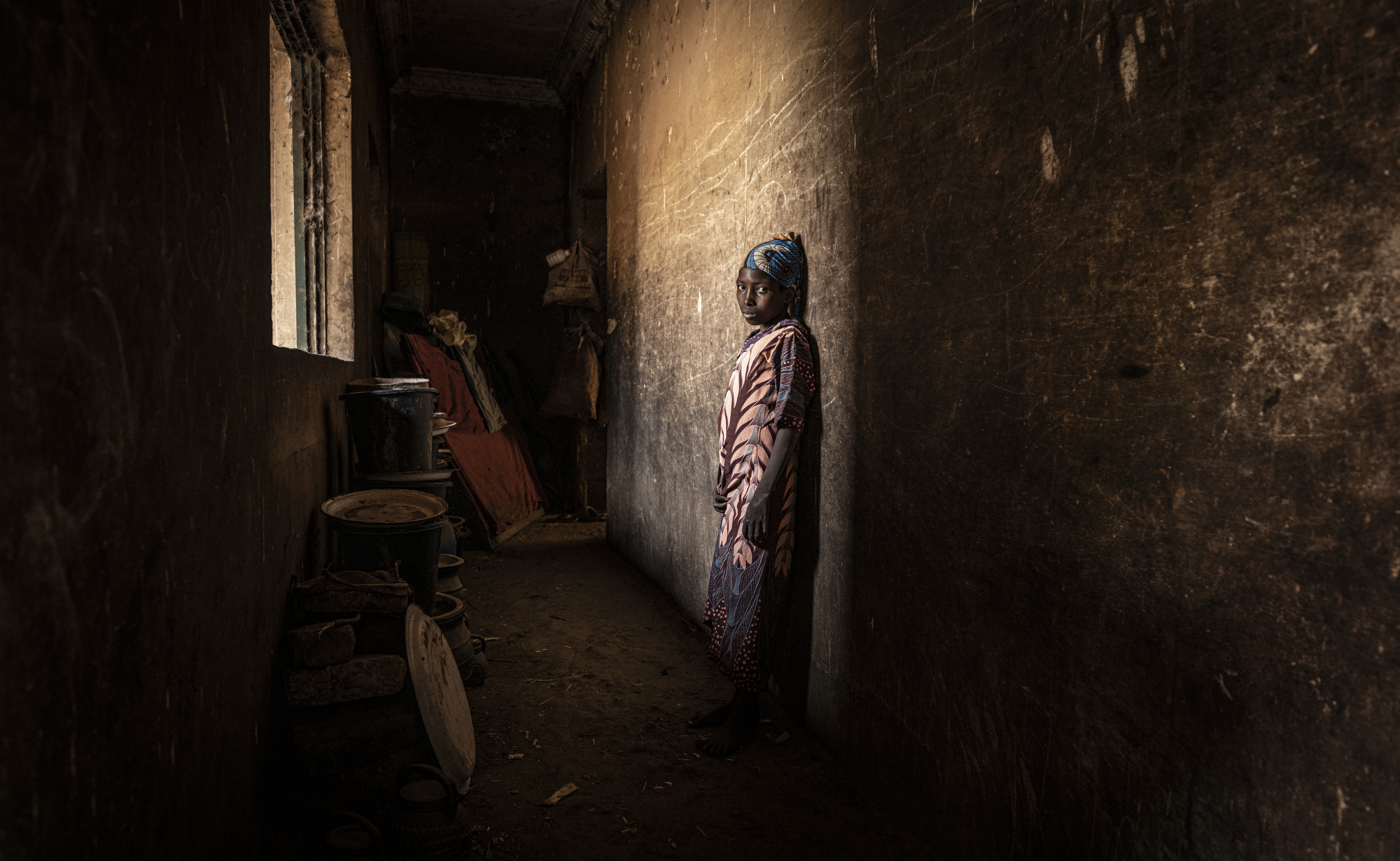
A child stands in a corridor at the ‘palace’.
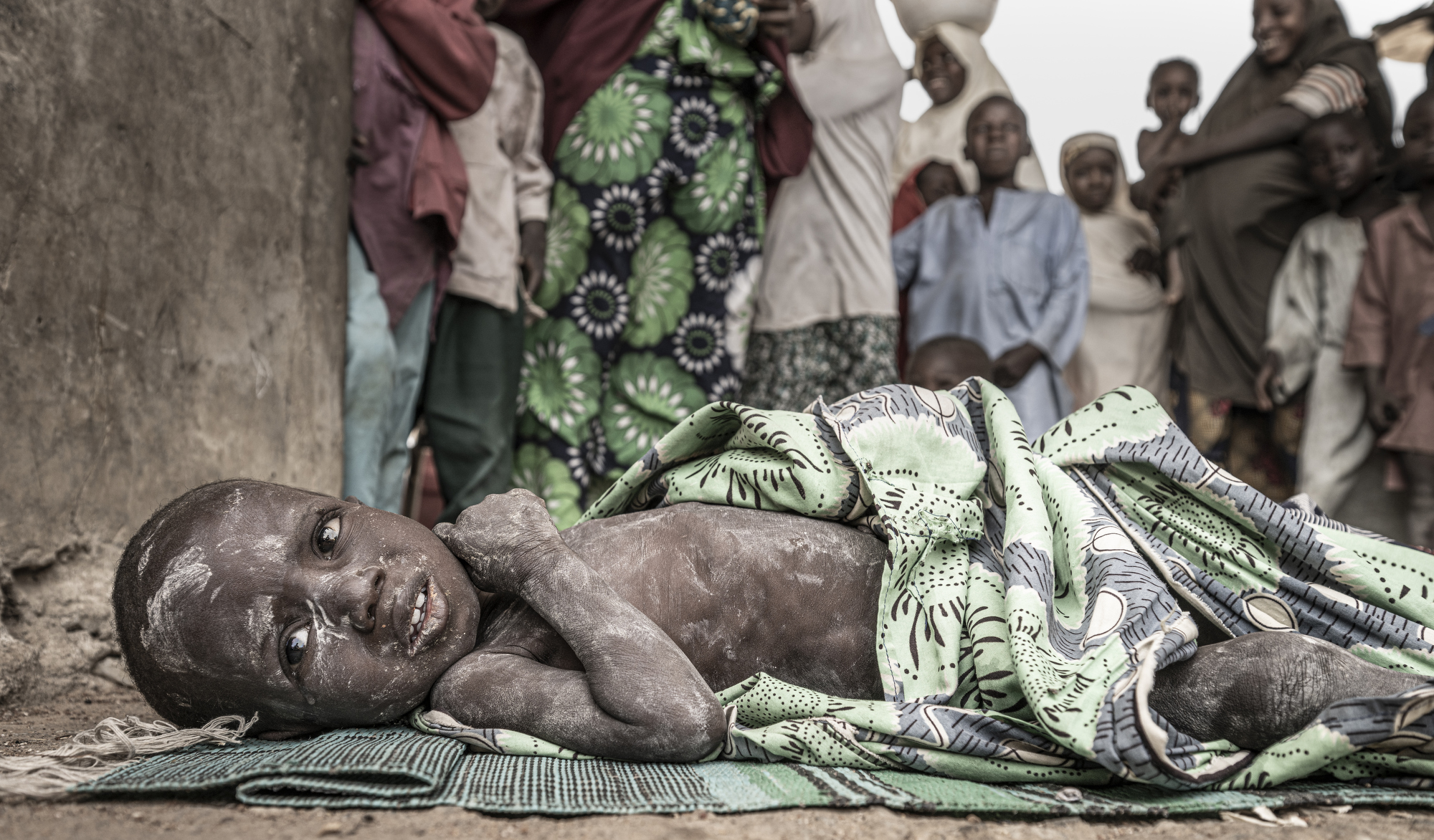
Malnourished Hadiza Umar, aged three, has been sick with measles for eight days.
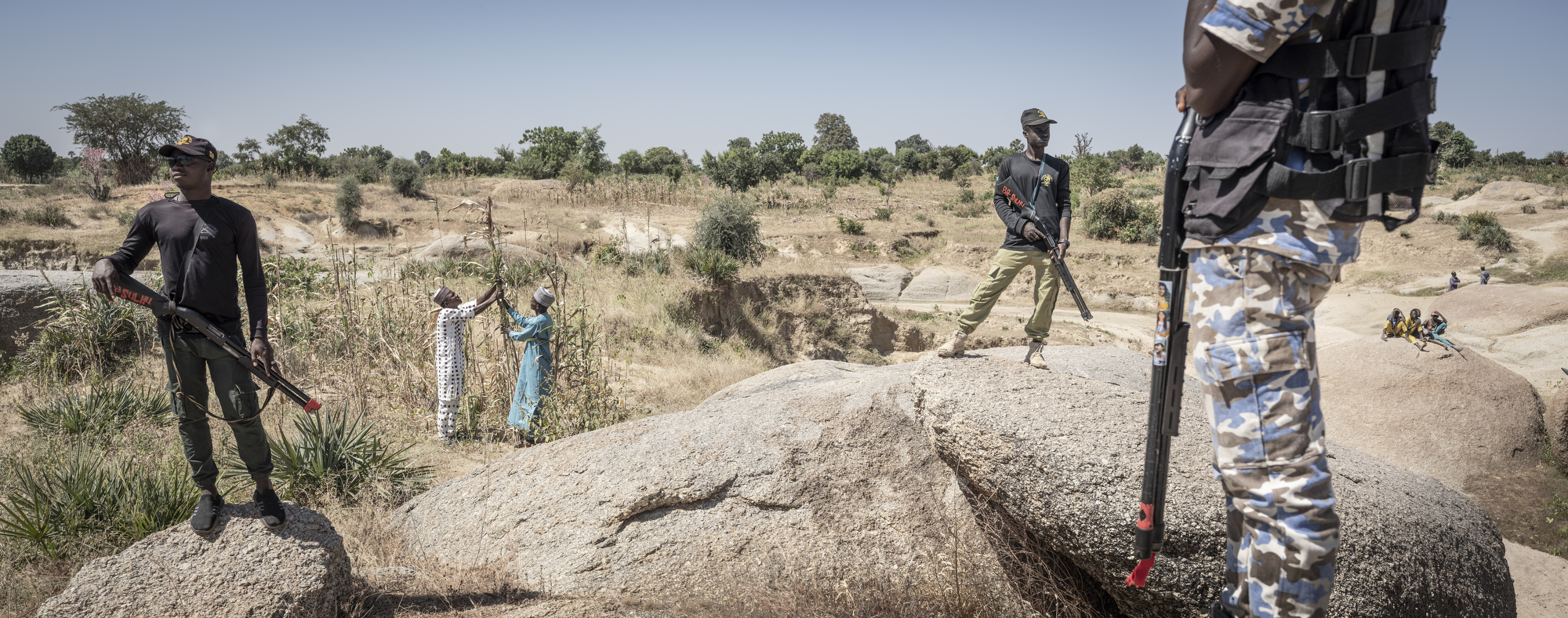
In Katsina, Hausa farmers have banded together as vigilantes to protect their farms from bandits.
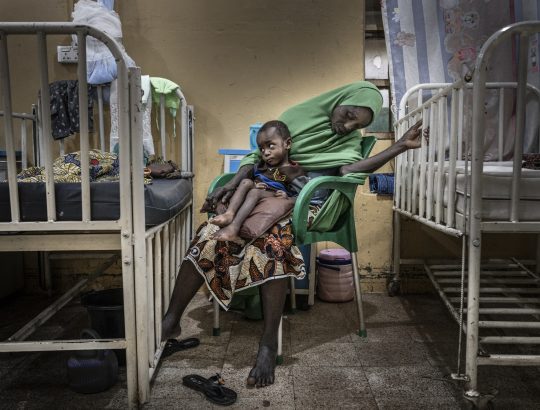
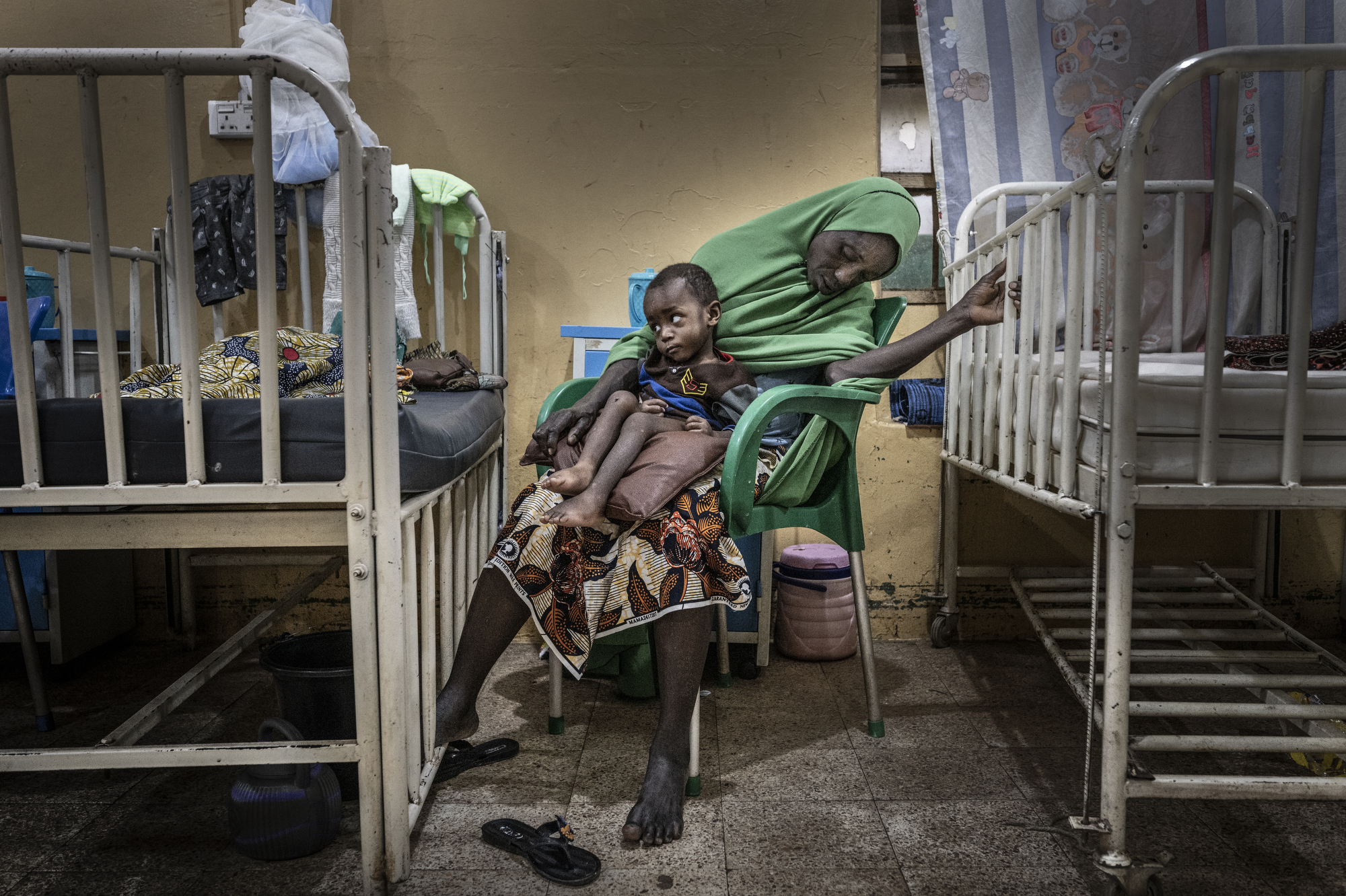
An exhausted mother with her child in the high dependency neonatal nutrition unit, Sokoto.
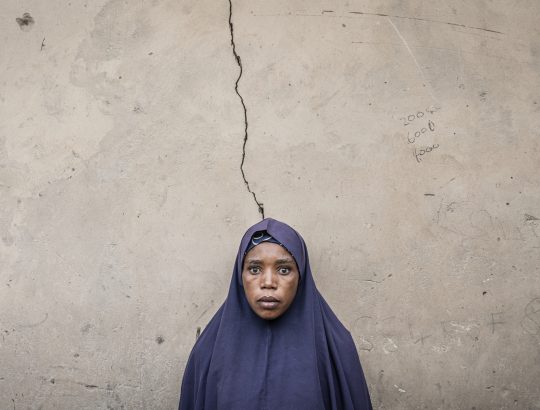
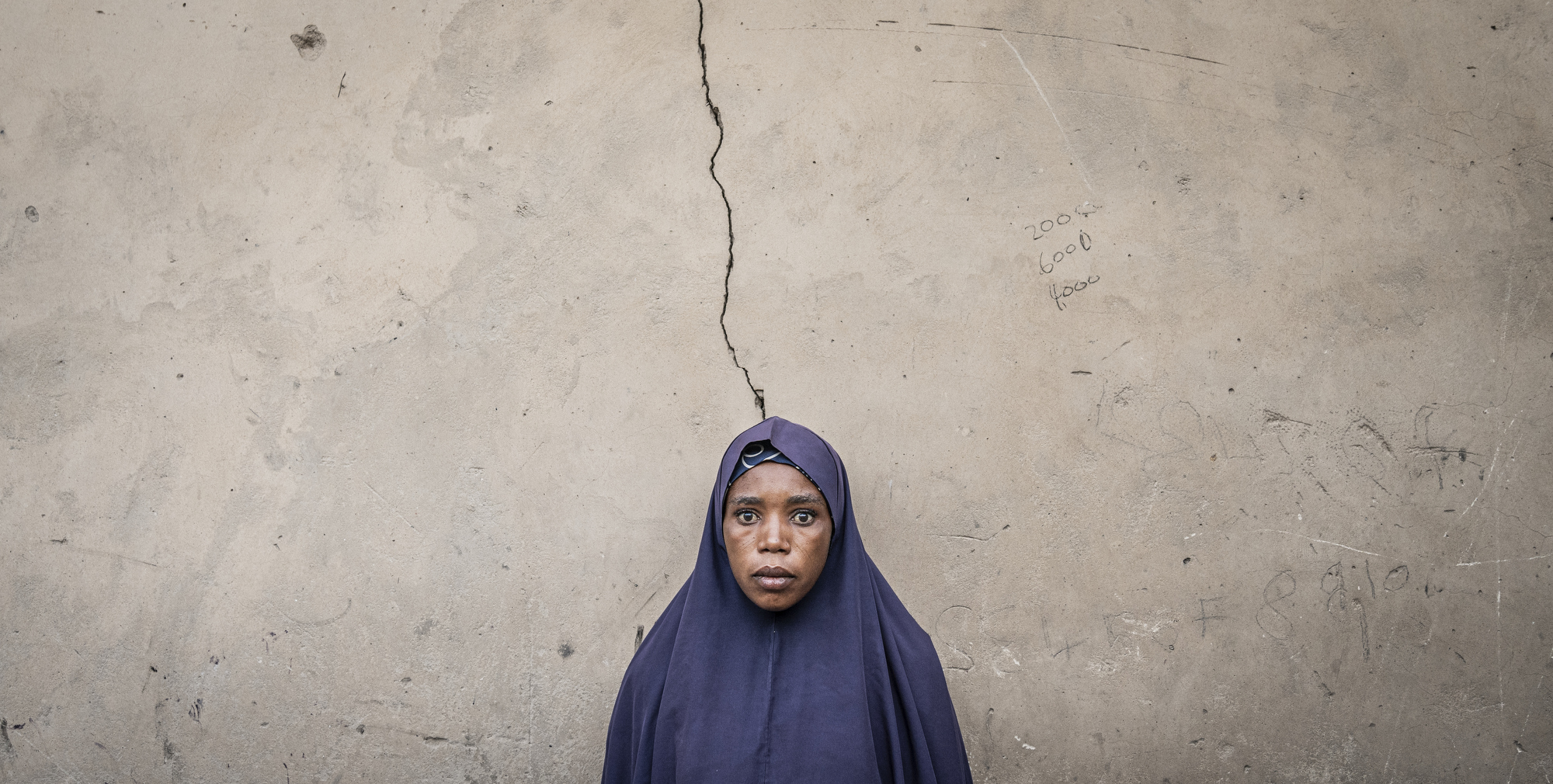
Amina, a 25-year-old mother-of-two, is one of many women forced to turn to sex work.
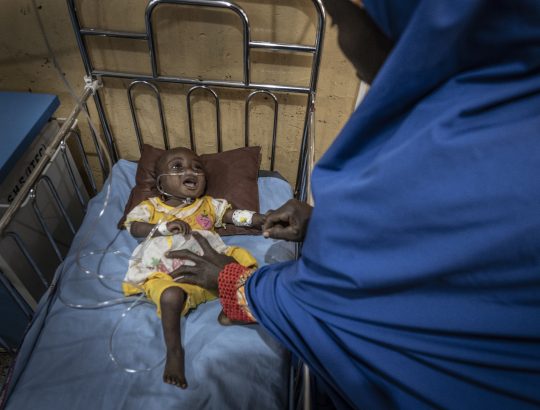
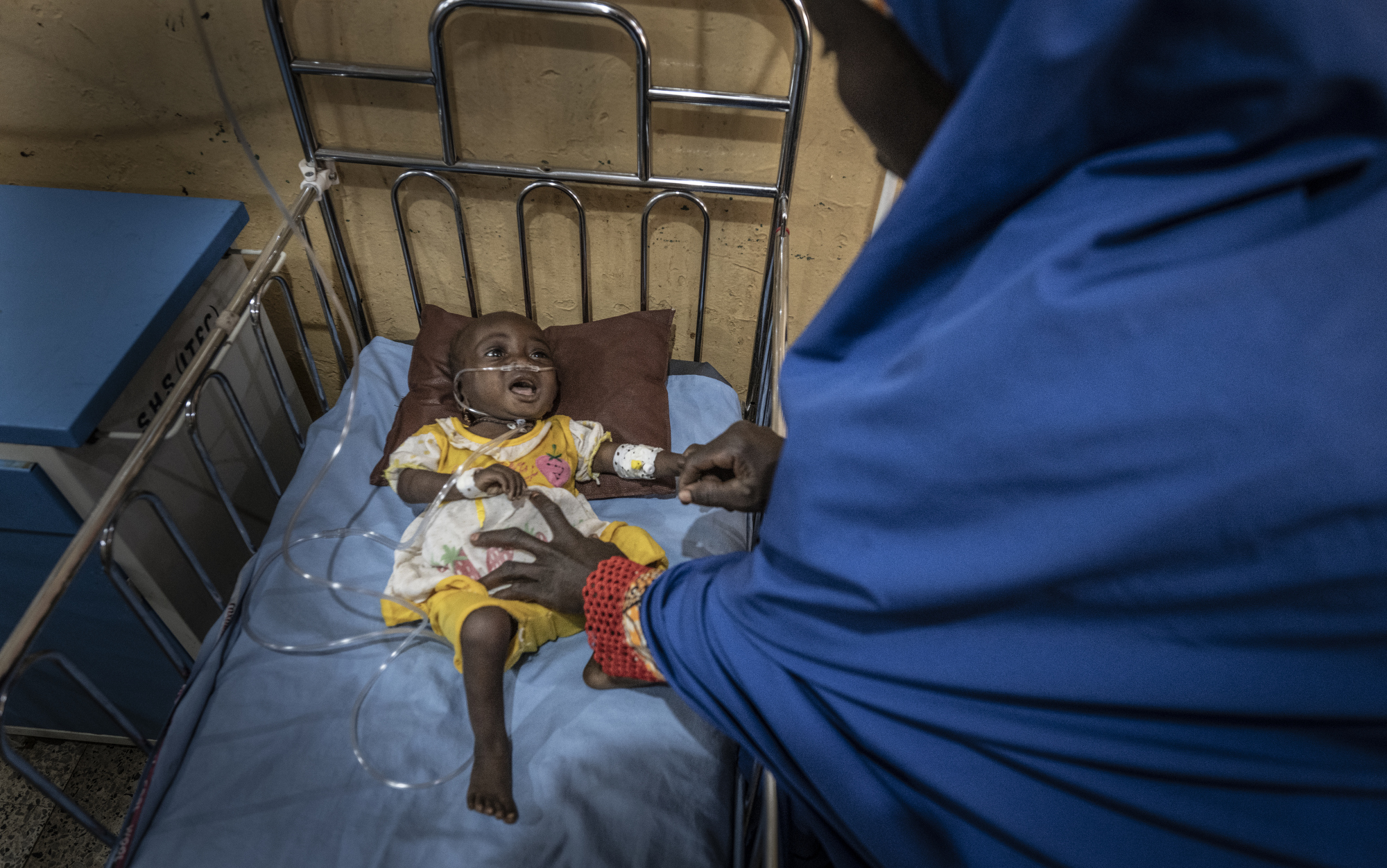
Saadatu Abubakar, 10 months, was admitted to the high dependency neonatal nutrition unit in a critical condition.
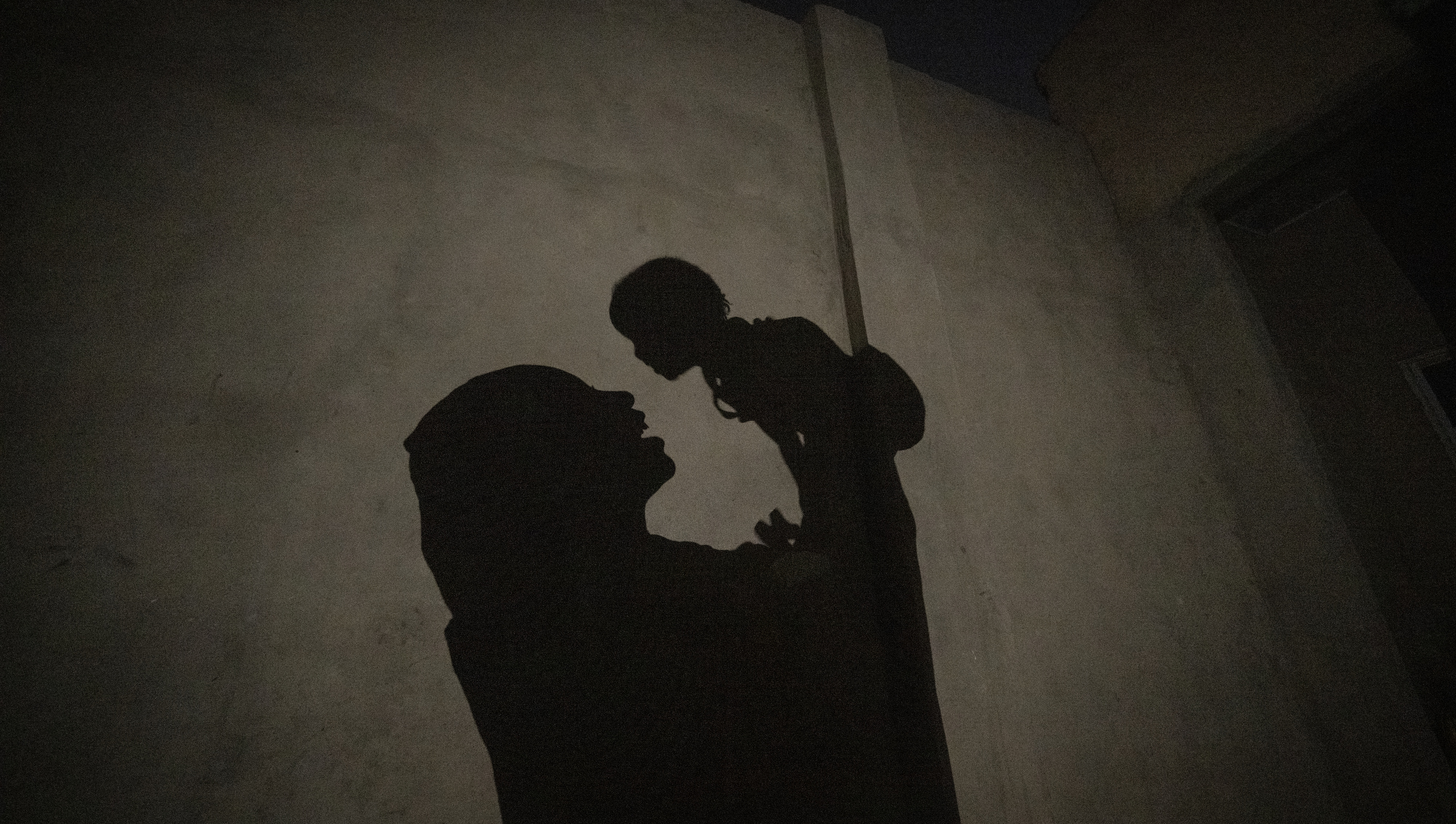
Many women have had to turn to sex work as a result of the failing economy. A woman with her child, Katsina.